

Guys, Chandigarh is the one Indian city where the sightseeing does not fight the city itself. The roads are wide, the sectors are numbered, the autos are metered more often than not, and the five or six places worth your time sit within a 15 minute drive of each other. I have done this circuit in a single day more than once, and this is the version that works, in the order that works.
A word on why the city looks the way it does. After Partition, Punjab lost Lahore, and Nehru wanted a capital that owed nothing to the past. The Swiss French architect Le Corbusier delivered exactly that in the 1950s: a grid of self contained sectors, a green belt running through the middle, and a Capitol Complex that UNESCO listed as a World Heritage Site in 2016. Every other planned city in India was measured against this one for decades.
What follows is a morning to night plan, the real costs, and a few honest notes on what to skip. The city is small, so the plan is more about timing than distance. Get the Rock Garden and the Capitol tour done before lunch and the rest of the day looks after itself.
9 am: The Rock Garden Before the Tour Buses
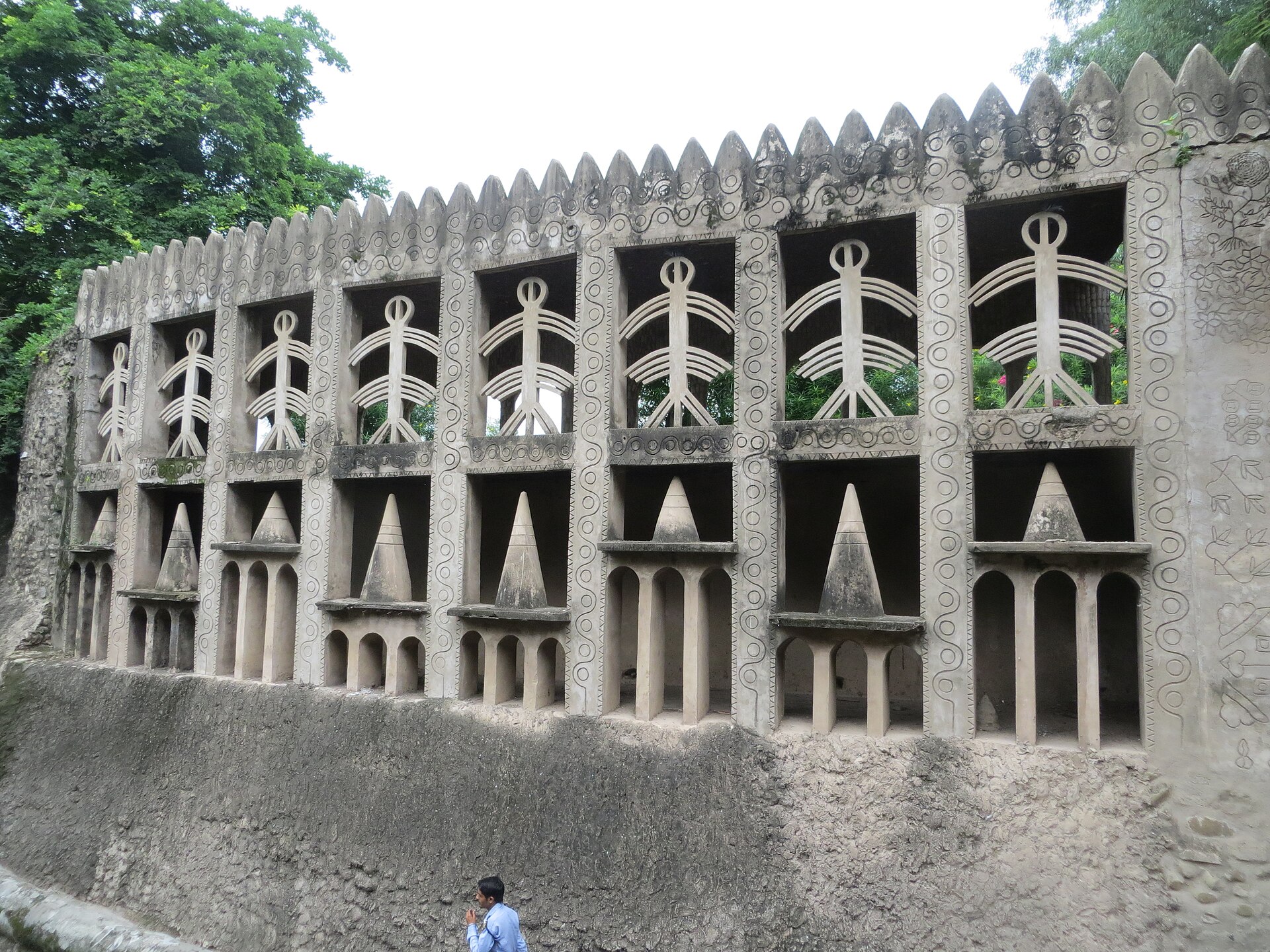
Start here, at the gate on the Sukhna side of Sector 1, the moment it opens at 9. The story of this place is the best story in Chandigarh. Nek Chand, a roads inspector with the city administration, began building a secret garden in a forest gorge in 1957 out of the rubble that Le Corbusier’s construction crews threw away: broken bangles, cracked tiles, ceramic sinks, bicycle frames. He worked at night for 18 years on government land, illegally, until officials found it in 1975. By then it was too extraordinary to demolish, so the city gave him a salary and 50 labourers instead.
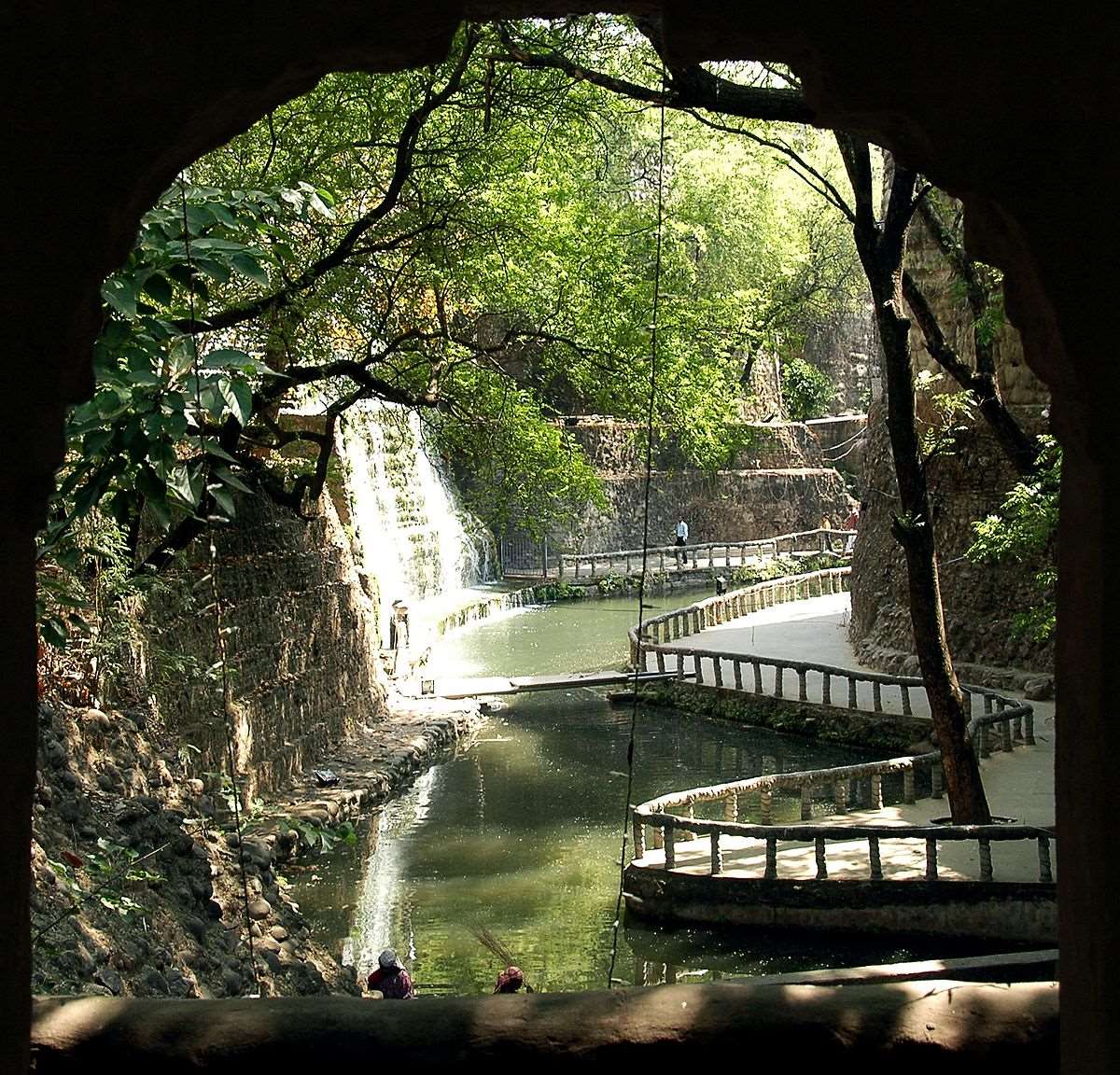
Today it covers about 40 acres of courtyards, waterfalls and armies of tiny mosaic figures, linked by low doorways you have to duck through. Entry is Rs 30 for adults and Rs 10 for children, and the ticket covers the aviary and the water garden as well. Hours are 9 am to 7 pm from April to September and 9 to 6 the rest of the year. Give it 90 minutes, wear shoes with grip because the stone paths stay damp, and photograph the bangle-people early before the school groups arrive.
10.30 am: The Capitol Complex, on the Free Government Tour
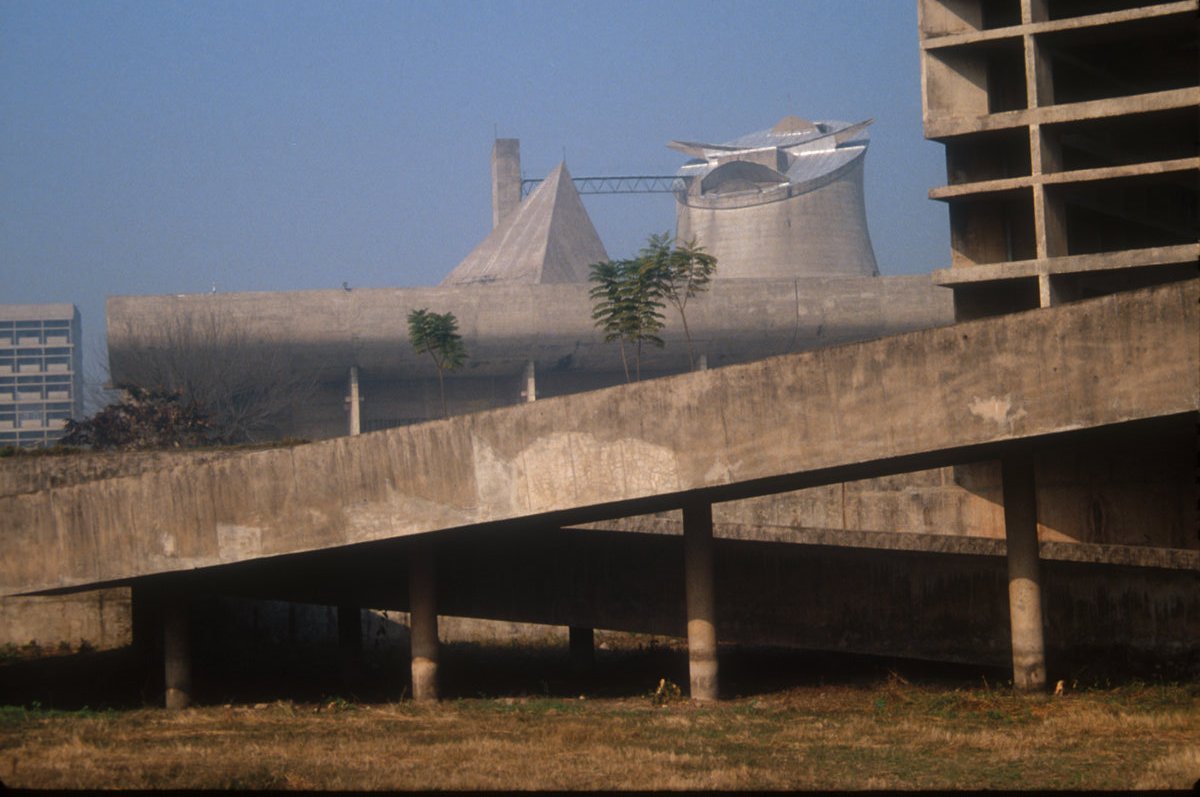
You cannot wander the Capitol Complex on your own. It houses the High Court, the Secretariat and the Assembly for two states, so access is by guided tour only, and the tour is free. Chandigarh Tourism runs three a day at 10 am, 12 noon and 3 pm from the Tourist Centre inside the complex. Reach 15 minutes early with an original photo ID, and note that bags go through security. The walk takes around 90 minutes.
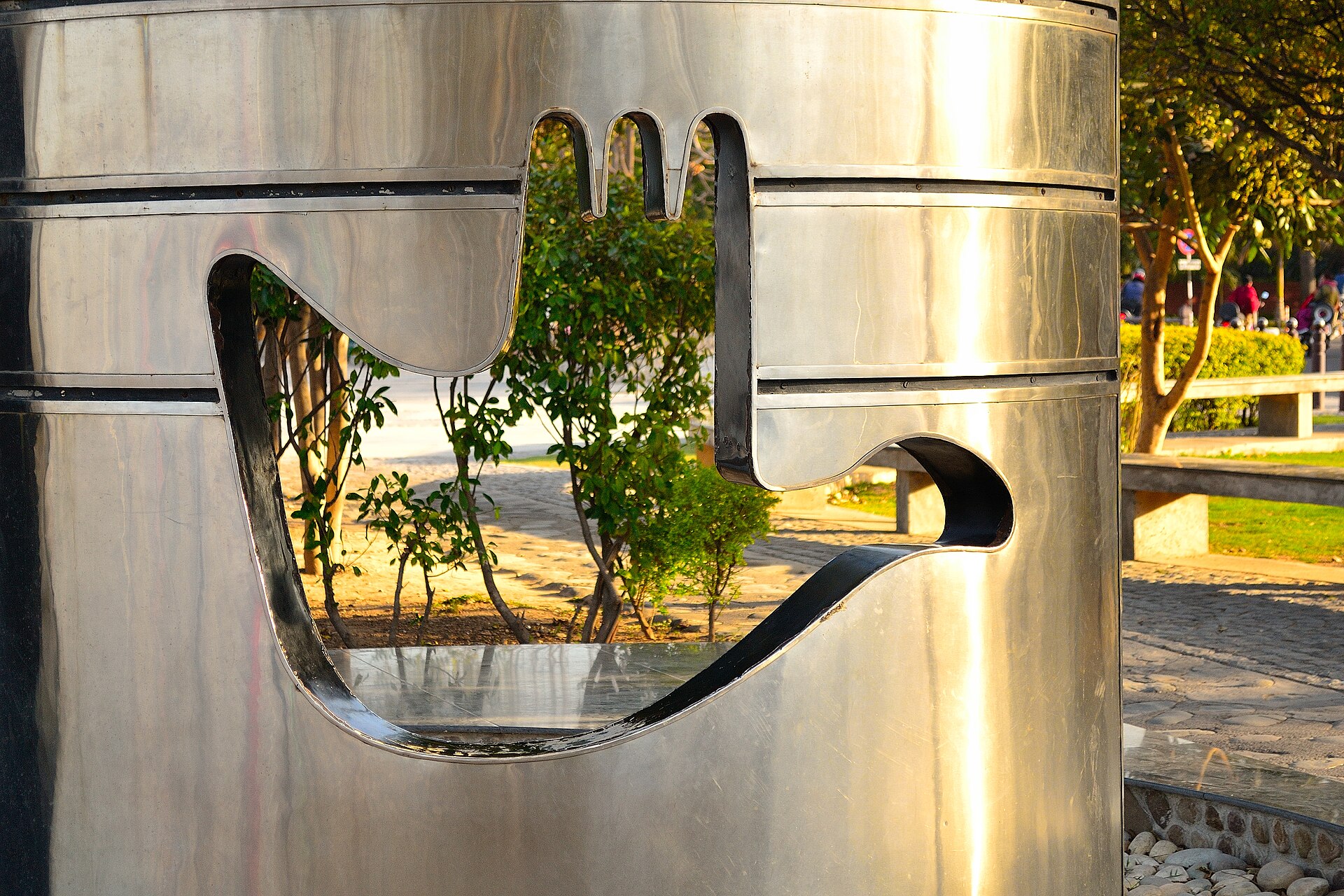
The highlight is the Open Hand, a 26 metre metal sculpture that swings with the wind, Le Corbusier’s symbol for a city open to give and open to receive. Around it the raw concrete buildings look either magnificent or brutal depending on your taste, and I have heard both from people on the same tour. Either way, this is the reason UNESCO lists the city, and skipping it because it sounds like government offices is the most common mistake visitors make. The Rock Garden is a five minute drive away, which is why the two belong in the same morning.
1 pm: Lunch the Chandigarh Way
The city eats well and eats Punjabi. Pal Dhaba in Sector 28 is the institution for butter chicken and dal, and it has been for 60 years. Sindhi Sweets in Sector 17 covers the vegetarian side with chole bhature that locals argue about. For something calmer, the cafes around Sector 7 and Sector 9 do a decent lunch for Rs 400 to 600 a head. Budget Rs 250 to 350 per person at a dhaba and expect a queue after 1.30 on weekends.
2.30 pm: Rose Garden and the Sector 17 Plaza
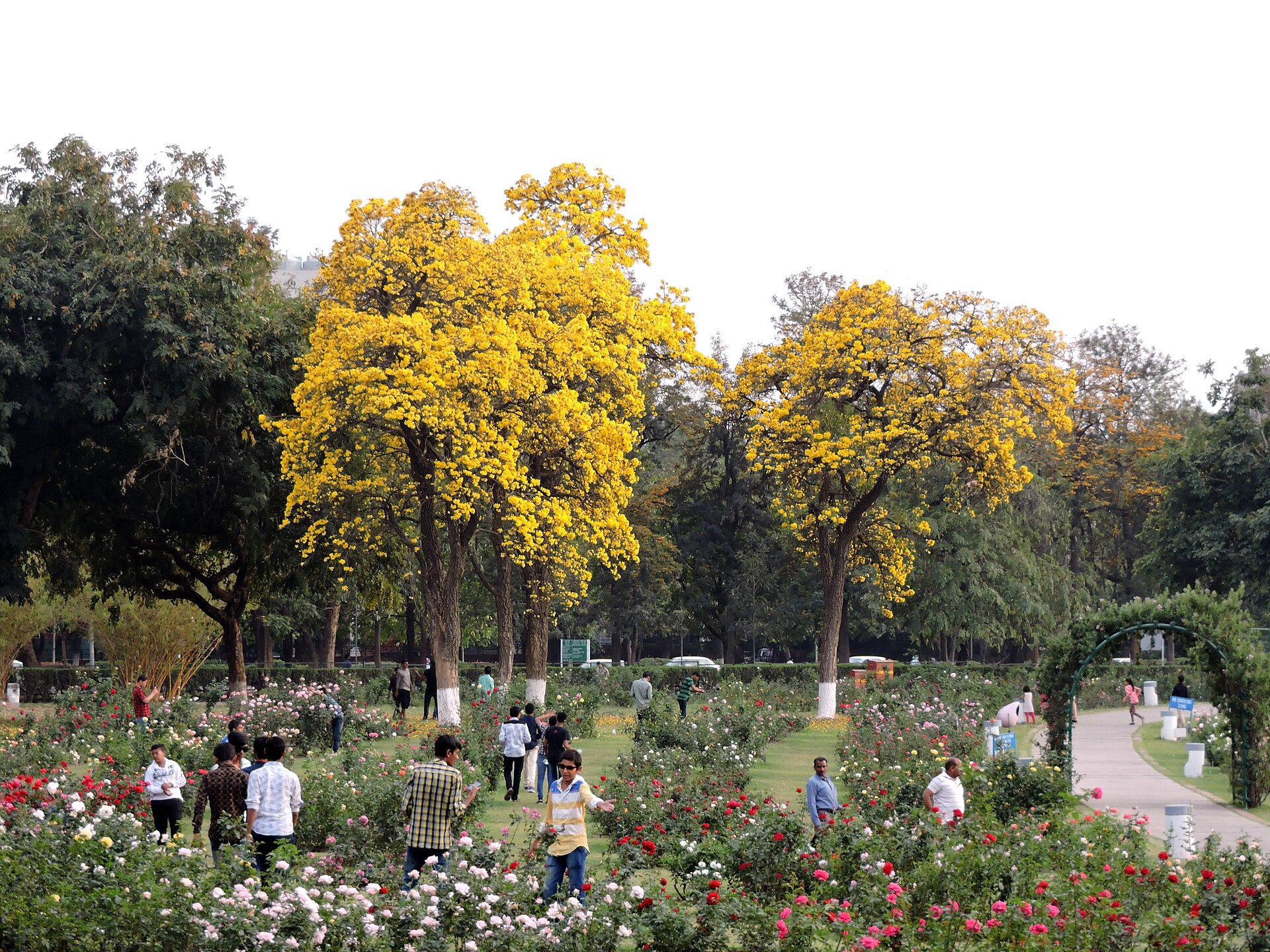
The Zakir Hussain Rose Garden in Sector 16 is Asia’s largest, 30 acres with more than 1,600 varieties, and it is free. Here is the honest bit: it is a rose garden, so it is only spectacular from late January to March, when the annual Rose Festival is on. Visit in October and you get a pleasant, shady park with a few late blooms. Go anyway if you want a slow hour, skip it in summer when the beds are bare and the sun is brutal.
Sector 17 next door is the city’s original pedestrian plaza, and a walk through it explains Chandigarh better than any museum. Wide concrete, fountains, the neon signs of shops that have been there since the seventies. It has lost trade to Elante Mall in recent years, but at 5 pm it still fills up. The Government Museum and Art Gallery in Sector 10 is nearby if the afternoon turns hot; it holds a strong Gandhara sculpture collection and closes at 4.30, so plan it before the plaza rather than after.
5.30 pm: Sukhna Lake at Sunset
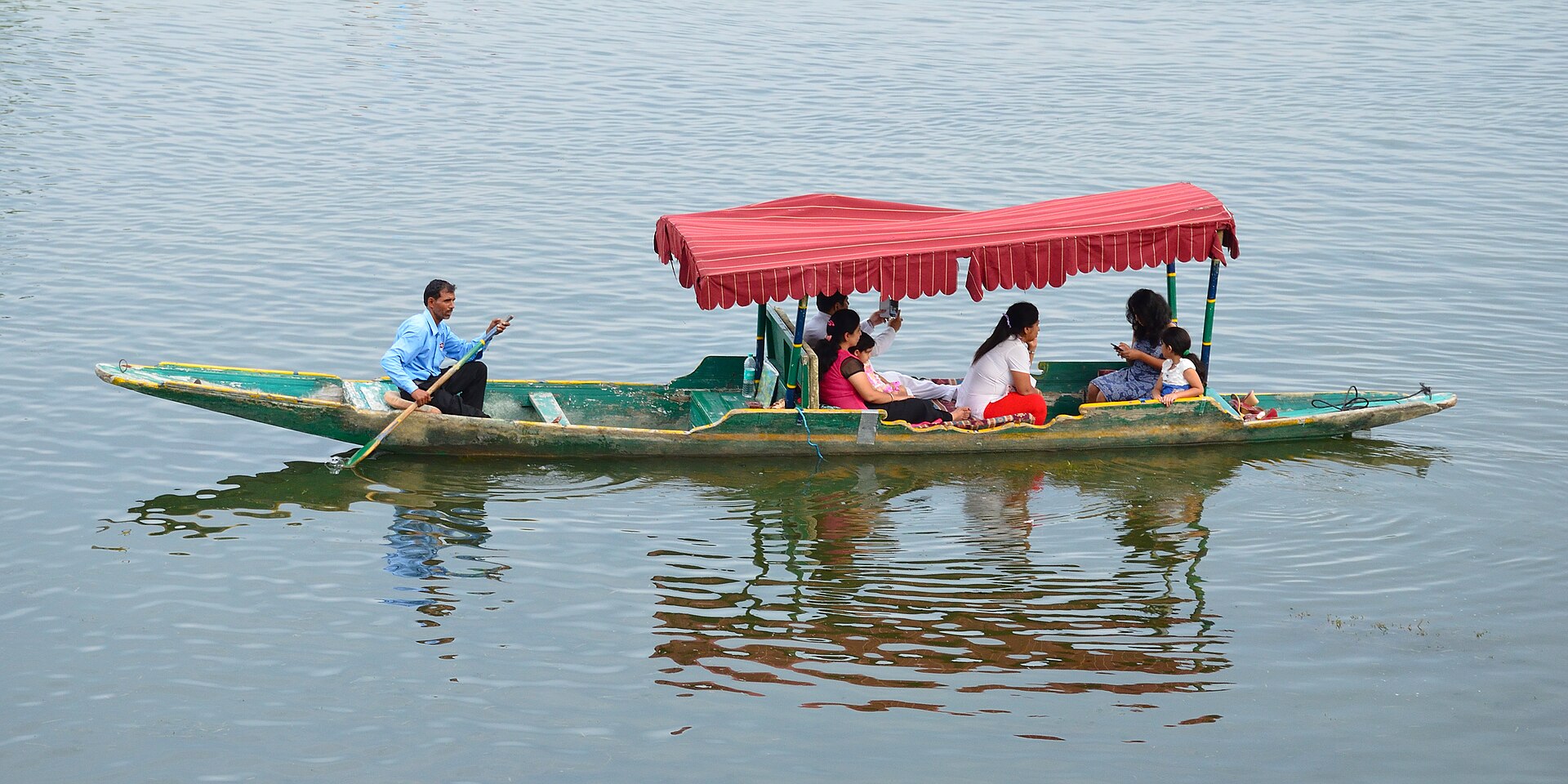
End the day where the city ends its day. Sukhna is a three kilometre man made lake at the foot of the Shivalik hills, open from 5 am to 9 pm, free to enter, with pedal boats from about Rs 50 a person and shikaras and motor boats above that. Everyone walks the promenade, and the sunset over the hills is the best view in the city by some distance. Buy chana from the vendors, watch the Chandigarh Rowing Club crews go past, and if it is a winter evening, stay for the fog rolling over the water.
Two things to know. Weekends and holidays are packed by 6 pm, so a weekday visit is calmer. And the lake sits right next to the Rock Garden, so if you are short on time you can swap the order and do Sukhna in the early morning instead, when joggers own the place and the light is soft.
If You Have a Second Day
Chandigarh is also a base. Panchkula’s Morni Hills, Pinjore Gardens and the Cactus Garden are all within 30 to 45 minutes, and I have written a separate one day Panchkula plan that pairs naturally with this one. Kasauli is a two hour climb into the hills for a night away from the plains, Ambala is 45 minutes south, and the Golden Temple in Amritsar is a four hour drive west. Many people also use the city as the last stop before Dharamshala or Manali, since it has the last proper airport before the mountains.
Within the city, the extras are the Chandigarh Architecture Museum in Sector 10, which explains the Le Corbusier plan with original drawings, the Japanese Garden in Sector 31, and Elante Mall in the industrial area for anyone who needs air conditioning and a food court. The Butterfly Park and the Terraced Garden are fine for families with small children and forgettable otherwise.
If you want to carry something home, skip the malls. Sector 22’s Shastri Market and the lanes behind Sector 17 sell Punjabi juttis for Rs 400 to 900 and phulkari dupattas from Rs 800, and the government emporium in Sector 17 has fixed prices if you dislike bargaining. The city’s best chai stop is any of the small stalls at Sukhna’s entrance at dusk, which is where I would end the shopping too.
Getting There and Getting Around
Chandigarh airport, which technically sits in Mohali, has direct flights from Delhi, Mumbai, Bengaluru, Hyderabad and most metros. By train, the Shatabdi from New Delhi takes about three hours and twenty minutes and is the most comfortable way in. By road it is 250 km from Delhi on NH44, four to five hours depending on the Panipat and Ambala stretches. The city itself is easy: Ola and Uber work everywhere, autos will use the meter if you ask, and a full day cab for the circuit above costs around Rs 1,800 to 2,500. Chandigarh is one of the union territories of India, so you will notice it is unusually well kept compared with the states it serves as capital for.
Best months are October to March. Summer crosses 40 degrees from May to June, and the monsoon in July and August is humid rather than pretty. Winter mornings can drop to 5 degrees with fog, which is lovely at the lake and less lovely on the highway. Official updates on tours and timings are on the Chandigarh Tourism site.
Chandigarh will never give you the drama of Jaipur or the chaos of Old Delhi, and that is exactly the point. It is a city that works, built by a man who wanted to prove a city could, with one glorious act of rebellion hidden in its forest. See both halves in one day and you will understand why people who grew up here never quite stop bragging about it.