

“Due to the global medical crisis caused by the Coronavirus pandemic, you have self quarantined yourself and staying at home but that doesn’t mean you cannot explore anything. Travel bugs, I know this time is quite difficult for you but indiaimagine is always there for you. You can virtually travel anywhere with us through our blogs.” Greece is very popular all over the world and the reason behind its fame is the UNESCO World Heritage site- Acropolis & Parthenon of Athens.
There are many other notable things to do in Greece and attractions which travellers have visited but, the Acropolis & Parthenon are always on the hit list of every traveller and history buffs. Have you ever thought about what is so special about it?
Today our blog is all about the Acropolis & Parthenon of Athens. Have a look —
Overview of the Acropolis
The Acropolis is a remarkable 5th-century BC temple complex which is situated on a hill. This whole historic landmark is quite extensive and contains the remains/ruins of numerous ancient buildings of excellent architectural and historic importance, the most prominent being the Parthenon.
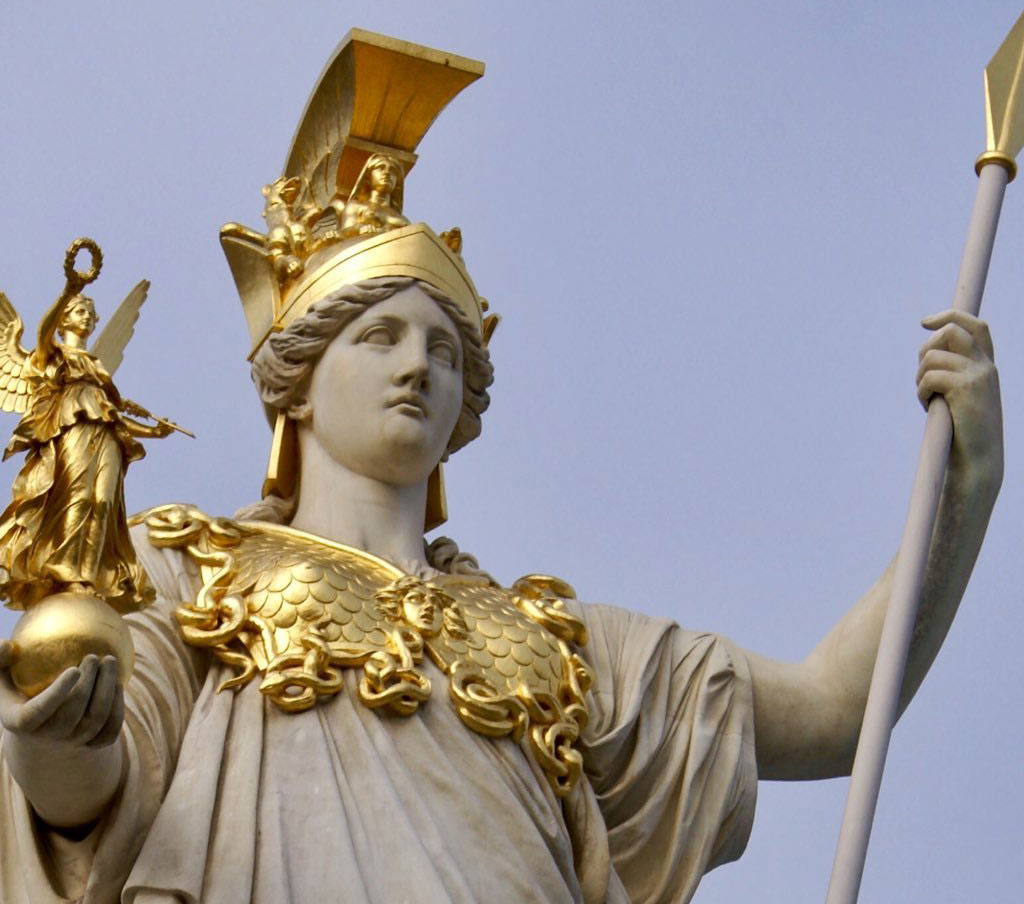
The Acropolis is the high hill and the Parthenon, an ancient temple structure. This ancient temple was created for the goddess Athena and was decorated with majestic sculptures which symbolise the greatest creation of Greek artists.
Learn the History of the Acropolis & Parthenon of Athens
The actual meaning of Acropolis word in Greek is “The fortified rock built on the high city”. This greatest and finest shrine of ancient Athens has originally dedicated to goddess Athena. Various ancient buildings on this rocky hill were erected in the 5th century BC under the command of Pericles who was an Athenian statesman. The Propylaea, most popular- the Parthenon, the Temple of Athena Nike, and other historical monuments depicting the relics from the Golden Age of Greece. These bizarre classics of ancient architecture blend of different orders and styles of traditional art and culture of Greece.
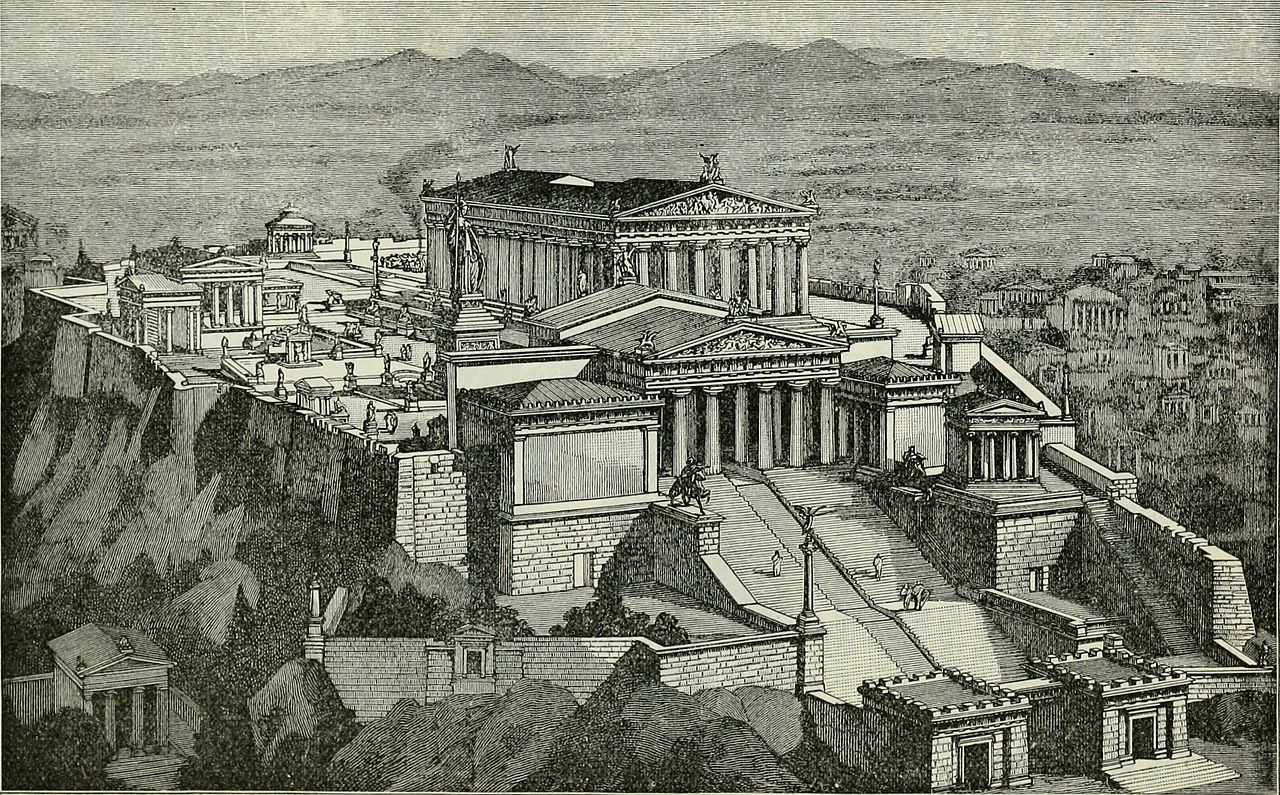
The Acropolis is also recognised as the Cecropia, and this name was given after the first Athenian King Cecrops who was a mythological half serpent-man. It was believed that social interaction has begun from 6 BC in Acropolis and Attica i.e. during the Neolithic Era. Erechtheion belongs to of the Early and Middle Bronze Age and showcases that the hill was populated from a very ancient period. Parthenon which belongs to Sacred Acropolis Era provided popularity and fame to the Acropolis and now it is one of the most recognizable and imitated buildings in the world.
The Propylaea- Gate of Athenian Acropolis
The Propylaea is the gateway through which you enter into the Acropolis. It is one of the greatest masterpieces of ancient Greek architecture which was constructed in the 5th century under Perikles. It impresses tourists with its colonnade and marble buildings.
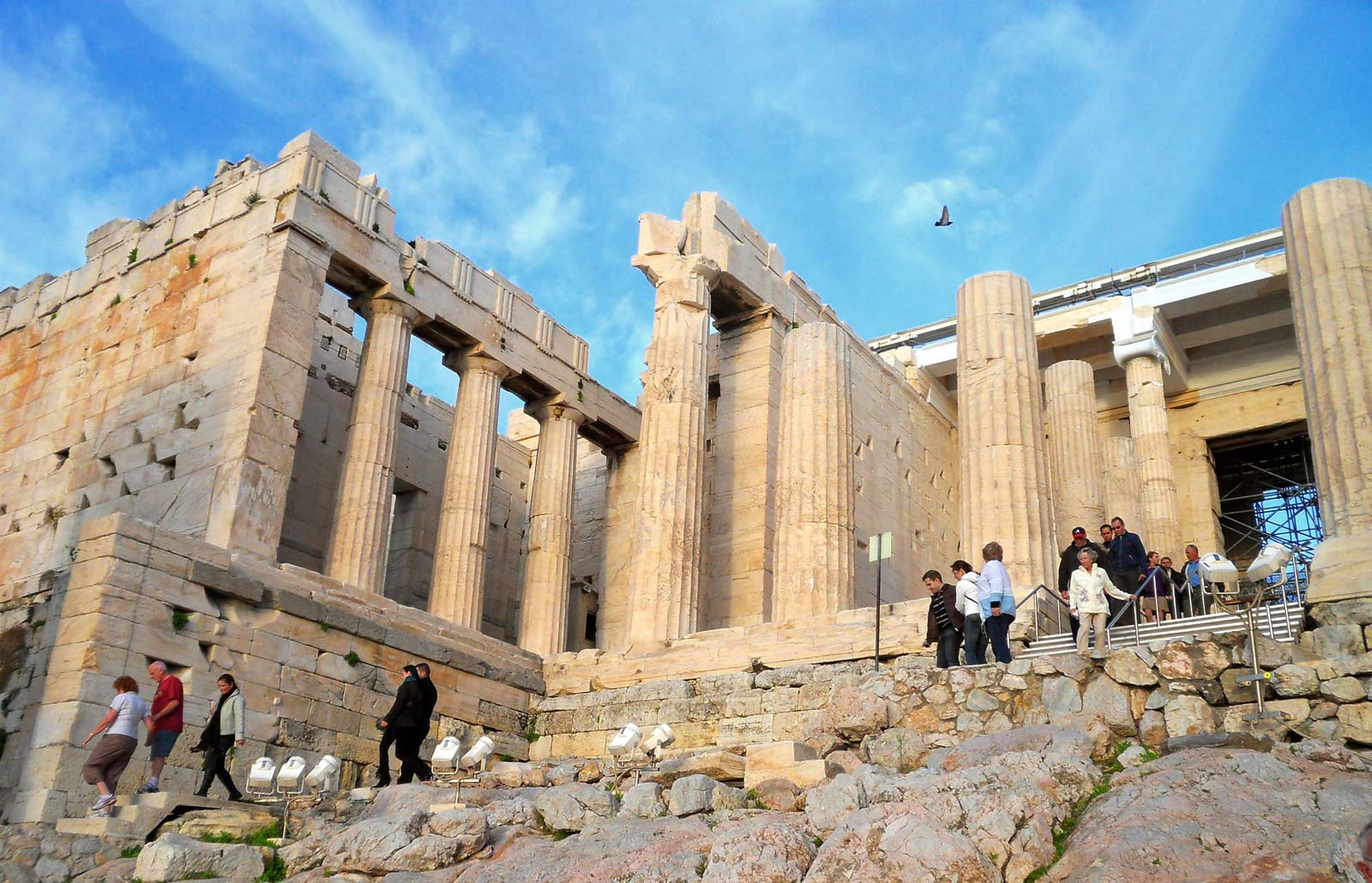
In classical times this religious way was extended along a steep ramp to this massive monumental double gatehouse. But in the modern era, this path makes a more gradual, zigzag rise going first through an arched Roman entrance, the Beule Gate which was erected in the third century AD.
The Parthenon
Being the finest monuments on the Acropolis- The Parthenon is constructed between 447 and 438 BC. It is a temple dedicated to Athena Parthenos, the patron of the city. While the Doric temple remained unchanged until the 5th century AD, Battles have been fought for this temple from different centuries.
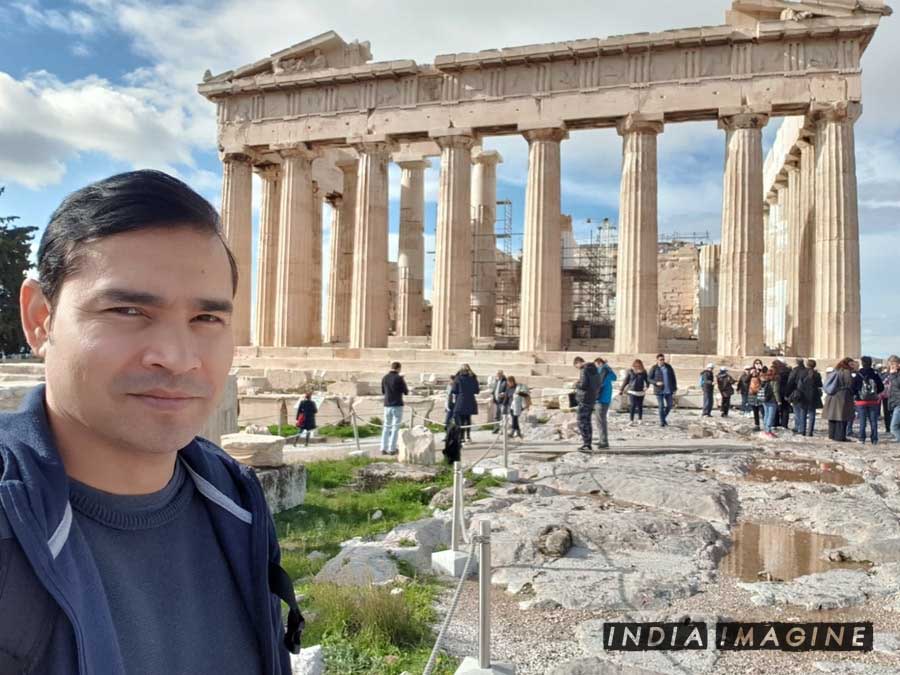
Then later it was taken over by Christians and they converted it into a church. In the late 1600s, the Venetians and Turks were fighting over Athens. Acropolis was used as a military point because of its high position. There were explosives put inside the Parthenon that went off and blew up the interior of the Parthenon. Then it was attained by the Turks and they transformed Parthenon into a mosque with a minaret established over it. So it is served as both- Christian church and as an Islamic mosque.
Also Read: 12 Family Holiday Destinations In Europe
The Erechtheion, Acropolis & Parthenon of Athens
Located on the north side of the Acropolis, the Erechtheion was built in 421-406 BC to replace an earlier temple that was dedicated to Athena Polias. The Erechtheion was dedicated to the Sotira or the Panagia and named after the mythical king of Athens, Erechtheus who was worshipped there.
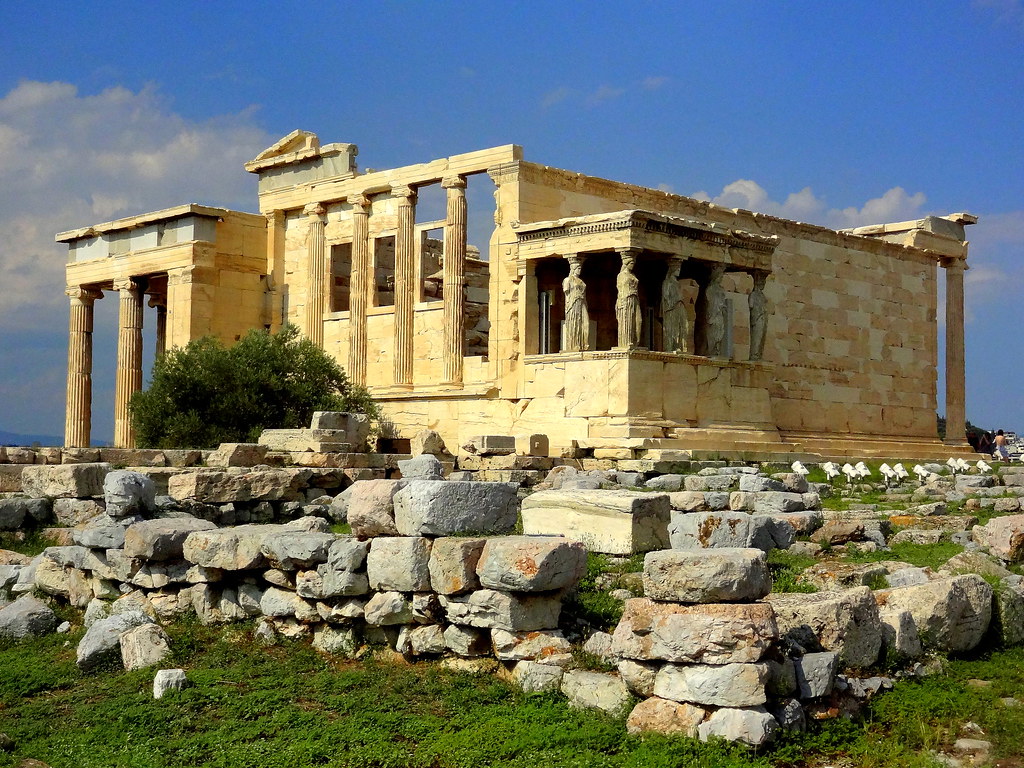
It was believed that Athena and Poseidon held a competition in which Athena won and became Patron of the city. Today, the sacred objects vanished with time, but the elegant and ionic Porch survived. Now, the Porch of the Caryatids is the most striking attraction whose columns form the tunics of six tall girls.
The Temple of Athena Nike, Acropolis & Parthenon of Athens
The Temple of Athena Nike is standing near the Propylaea. It is a small temple is dedicated to the goddess Athena Nike who was the preserver of the city of Athens.
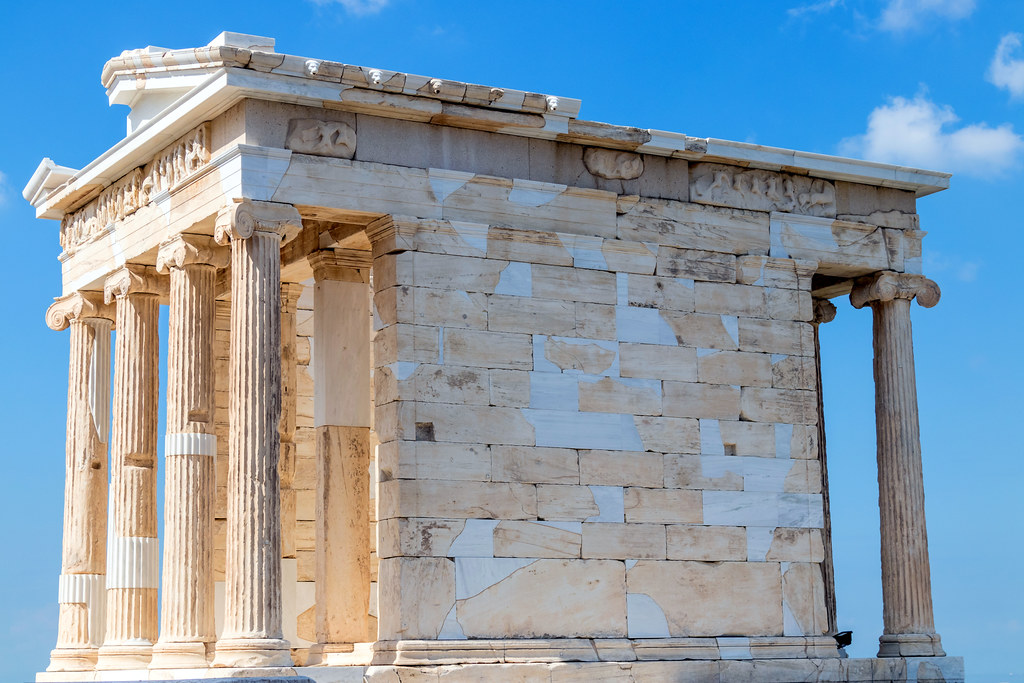
It was taken apart for the complete renovation and later arranged back together. This pious temple was constructed by Kallikrates in 426-421 BC.
The Odeon of Herodes Atticus
The Odeon of Herodes Atticus is one of the most modern buildings on the Acropolis which was constructed in 161 AD in the memory of his loving wife, Aspasia Annia Regilla. It is located on the southern slopes near the Propylaea.
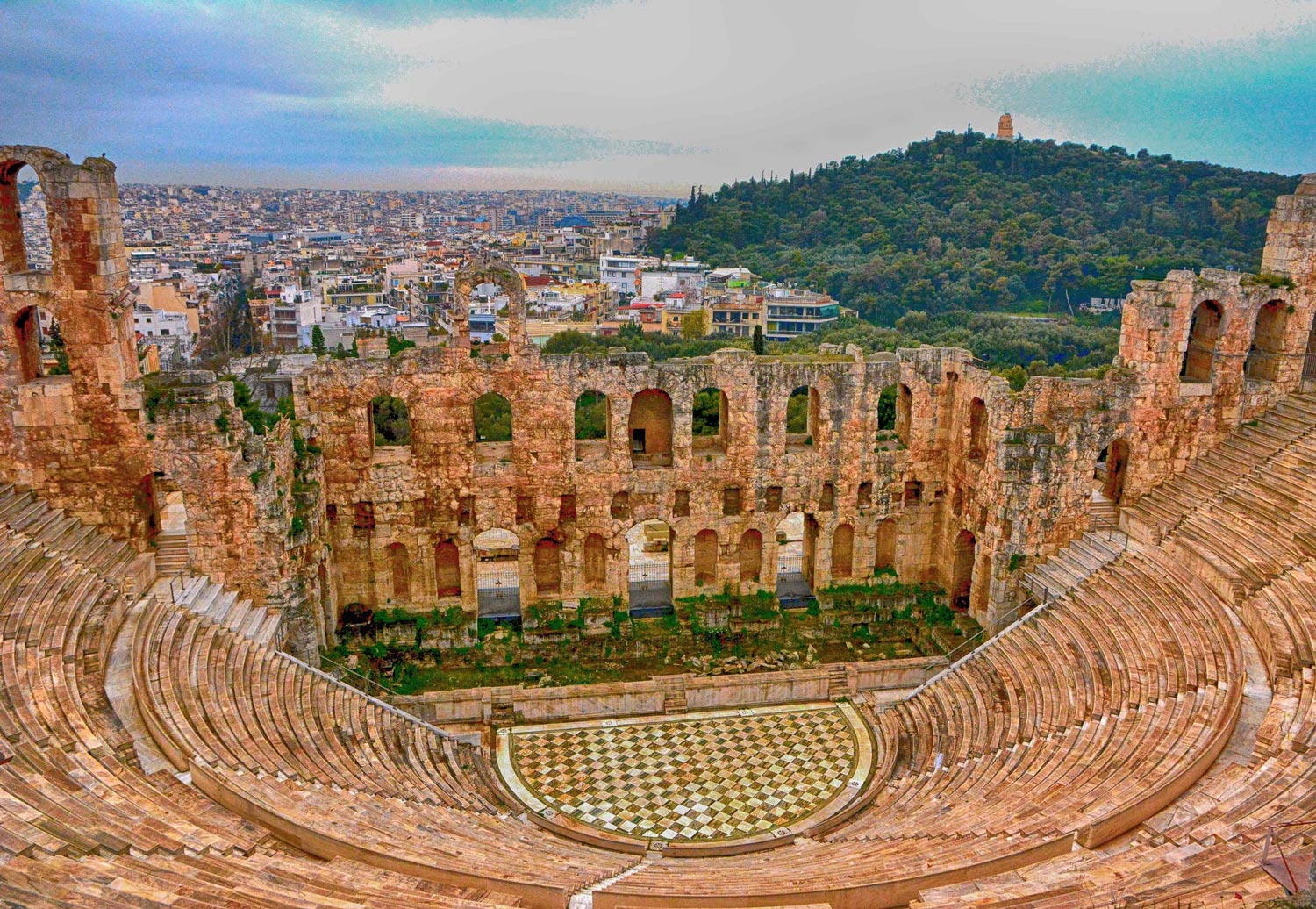
This theatre can accommodate almost 5,000 people and it is still used for organising various function of Greece and performances during the summer months. This ancient stone theatre was established at the foot of the Acropolis of Athens.
Theatre of Dionysus, Acropolis & Parthenon of Athens
Another prominent attraction in the City o Athens is the Theatre of Dionysos. It is that place where Dionysius the first stone theatre and home to Sophocles, Aeschylus, Euripides and Aristophanes and here they performed too. Located on the southern slope of the Acropolis and near the Acropolis Museum is this ancient theatre. It was reconstructed in the fourth century BC and this theatre had a capacity of holding 17,000 audiences which are significantly more than Herodes Atticus.
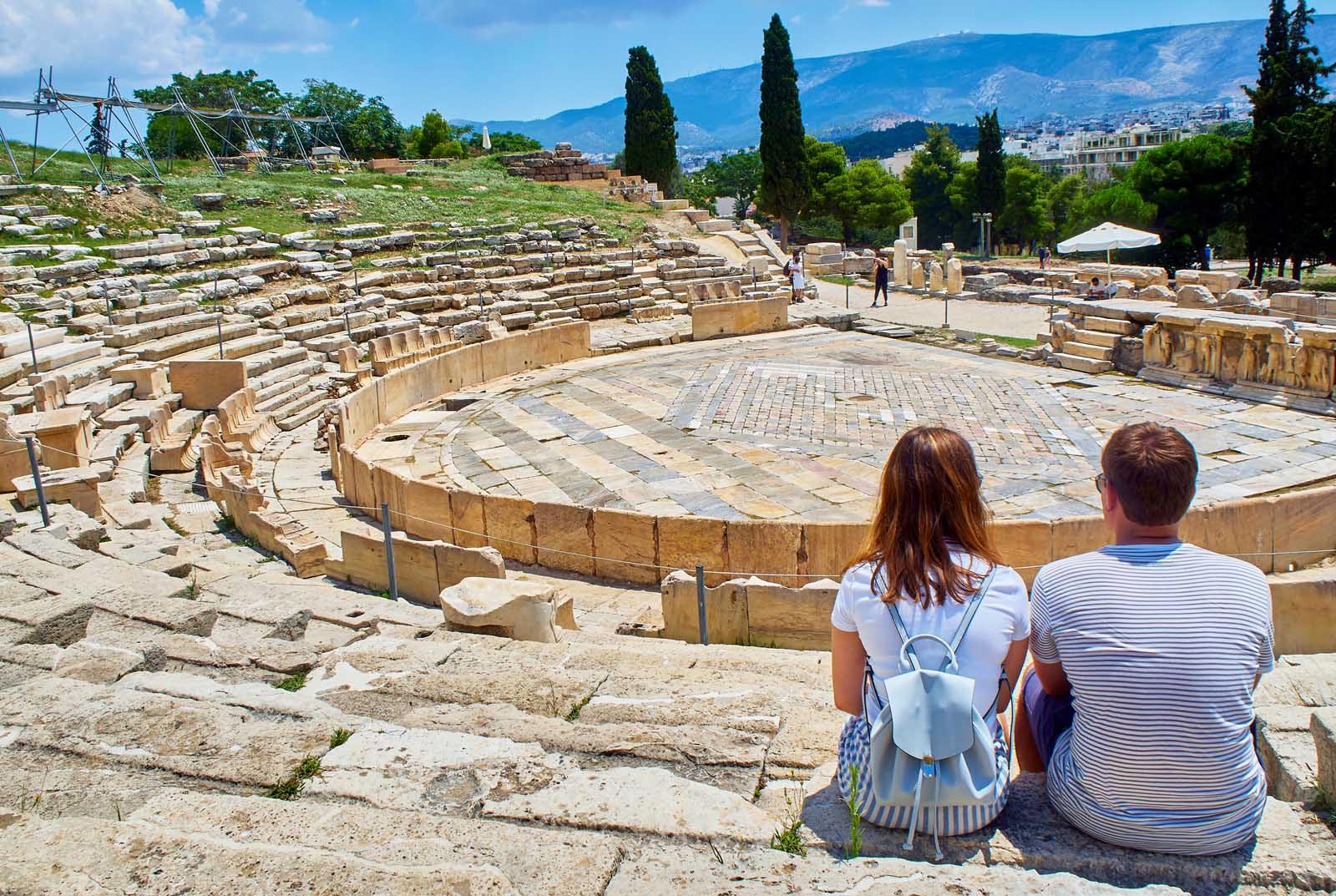
Most notable are the great marble thrones in the front row, each inscribed with the name of an official of the festival or an important priest; in the middle sat the priest of Dionysos and on his right the representative of the Delphic Oracle.
I hope you have fully enjoyed this virtual travel of Acropolis in the city of Athens and have known about the ancient Athenian history. Share your valuable comments with us.
Also Read: Visit Crete And Be A Part Of Greece’s Ancient Culture