

When people talk about the Jyotirlingas of India, Maharashtra is often the first state that comes to mind after Uttarakhand, as it is home to 5 Jyotirlingas, making it one of the most spiritual destinations for devotees of Lord Shiva. Most people visit Trimbakeshwar in Nashik and Ghrishneshwar in Aurangabad. But the most hidden and underrated Jyotirlinga is Shree Bhimashankar. This holy Jyotirlinga of Lord Shiva, Bhimashankar Temple, is located deep in the lush Sahyadri Hills of Maharashtra. Nestled in the lap of mist-laden mountains and winding roads, enveloped by forests, Bhimashankar Jyotirlinga is not just a pilgrimage destination; it’s a spiritual retreat wrapped in nature’s beauty.
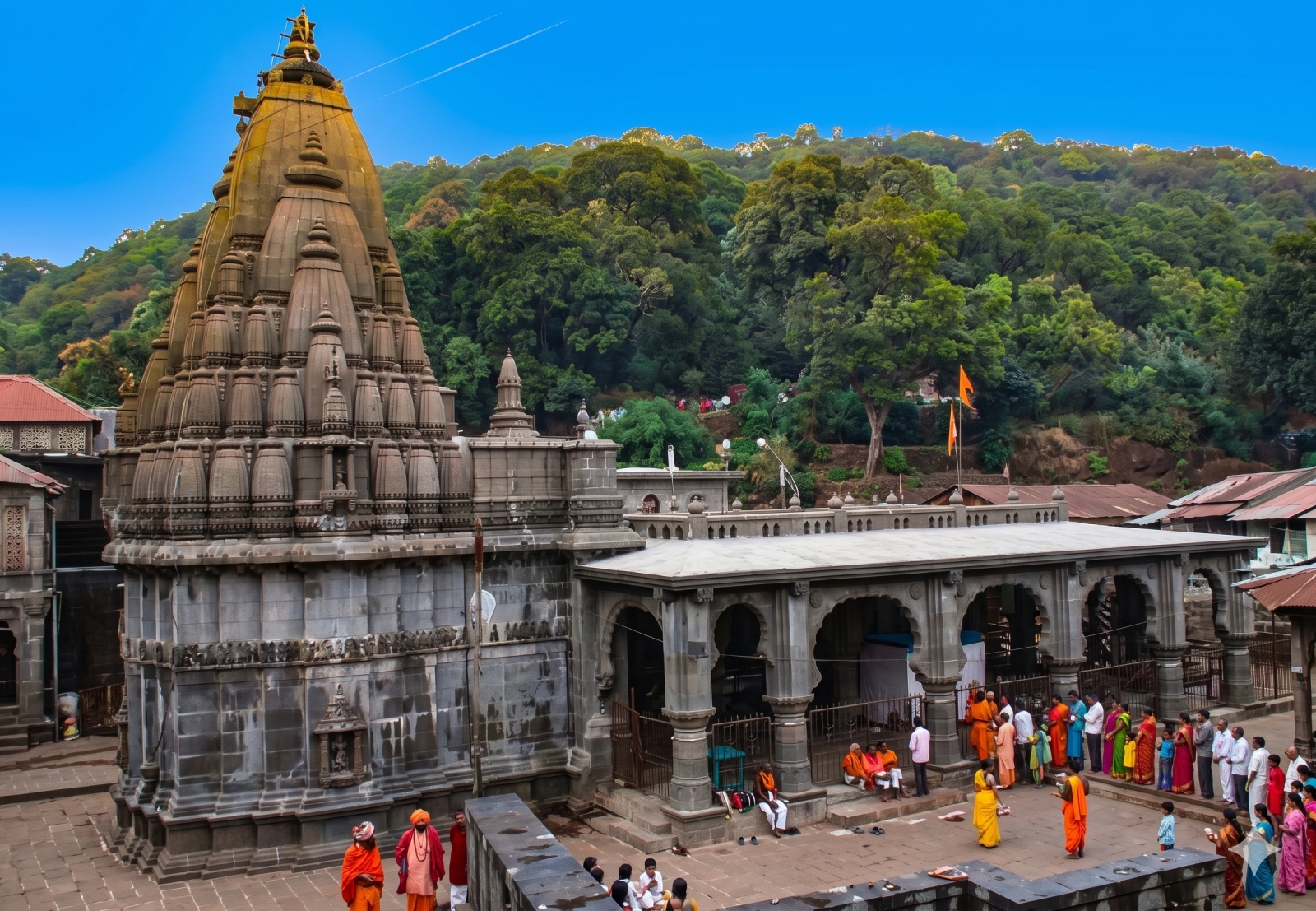
Being a Lord Shiva devotee, if you are planning your first darshan or a weekend trip from Pune, Mumbai, or any other location, then this Bhimashankar Jyotirlinga travel guide has got it all covered, from the best time to visit, route details, darshan timings, temple history, and nearby places to explore.
Also Read: Badrinath Dham: Most Revered Pilgrimage Destination of India
About Bhimashankar Jyotirlinga
Located in the Pune district at an elevation of around 3,250 feet, the Bhimashankar temple sits amid the Western Ghats of Maharashtra, making it spiritually peaceful and visually breathtaking. The holy Shivalinga, one of Lord Shiva’s twelve Jyotirlingas, is revered inside the Bhimashankar Temple.
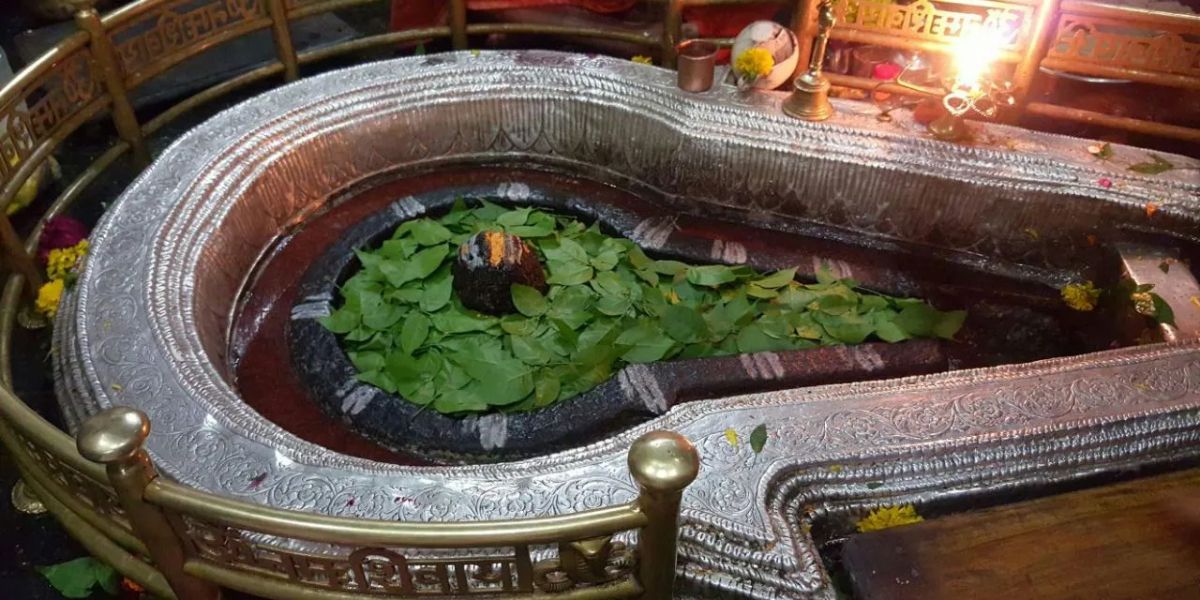
It is said that Jyotirlinga is self-created (swayambhu) and is situated inside the garbhagriha (sanctum sanctorum). Due to the small stone interior, devotees get extremely close darshan of the Shivlinga. In contrast to several bigger temple shrines, the Shivalinga here sits significantly lower within the sanctuary
Mythologies Associated with Bhimashankar Temple
The history of Bhimashankar is linked to the demon Bhima, the son of Kumbhakarna, in the Mahabharata. It is stated that Bhima underwent tremendous penance and attained immense power. He started bothering sages and devotees in the region. To protect his worshipers, Lord Shiva arrived and battled Bhima. After beating him, Shiva appeared as a Jyotirlinga here. That mystical force is now revered as Bhimashankar Jyotirlinga.

According to another legend of Bhimashankar Temple, the demon Tripurasura pleased Lord Shiva through intense penance and received a powerful boon. He later misused this power and spread terror across the universe. To restore peace, Lord Shiva and Goddess Parvati took a divine form and defeated Tripurasura at Bhimashankar on Kartik Purnima. It is believed that after the battle, the Bhima River emerged from Shiva’s body, and Lord Shiva remained here in the form of a Jyotirlinga.
Architecture of Bhimashankar Jyotirlinga
Bhimashankar Temple is one of the most unique Jyotirlinga temples in Maharashtra because of its exquisite fusion of traditional Hemadpanthi architecture with the old Nagara style. The temple was mostly constructed of black stone and has a straightforward yet striking aspect that mixes in perfectly with the Sahyadri highlands’ wooded surroundings. With tiered vertical carvings and sculptural details, the temple’s shikhara rises above the shrine in the traditional Nagara style.
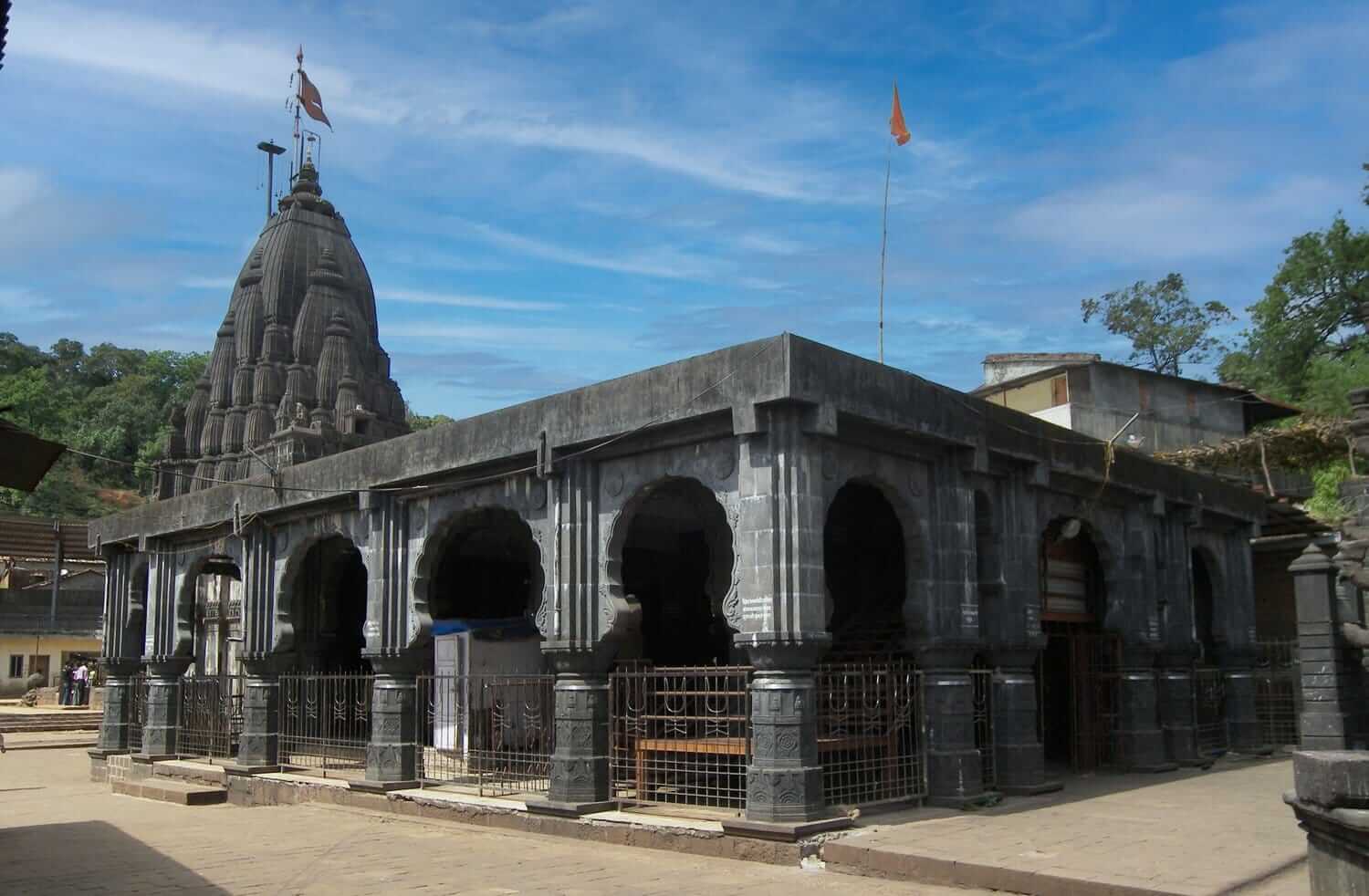
The jyotirlinga is kept in the garbhagriha, and inside the temple, you will see carved stone pillars with intricate designs influenced by Hindu mythology, floral patterns, and traditional temple art supporting the mandapa. The temple walls include ornamental and intricate sculptures of gods. Over time, parts of the temple were restored and expanded, with contributions from Maratha-era rulers and local devotees, while still preserving its original sacred character.
Also Read: Divine Tour of Kedarnath Dham: An Eternal Hindu Pilgrimage Site of India
Best Time to Visit Bhimashankar Jyotirlinga
If you’re planning a trip using this Bhimashankar Jyotirlinga travel guide, here’s what each season offers
Winter (October to February)
This is the best time to travel to Bhimashankar Jyotirlinga. The weather stays comfortable, the skies are clearer, and the temple surroundings remain green after the monsoon. It’s ideal for morning darshan, photography, and sightseeing. Temperature generally ranges between 8°C and 25°C.
Monsoon (June to September)
Bhimashankar becomes a green paradise during the monsoon. Clouds drift through the hills, waterfalls spring to life, and the drive becomes breathtakingly beautiful. It is especially popular among trekkers. However, trekking routes might become more difficult, roads can become slippery, and fog can make vision poor.
Summer (March to May)
Summers are manageable but can feel warmer during the daytime. Ideal for low-cost travel and tranquil darshan. Suitable for smaller crowds. Trips in the early morning and evening are more comfortable.
How to Reach Bhimashankar Jyotirlinga
Reaching Bhimashankar Temple is fairly convenient from major cities like Pune and Mumbai. Here’s a detailed breakdown for your Bhimashankar Jyotirlinga travel guide:
By Road
Road travel is the easiest and most popular way to reach Bhimashankar. From Pune, the distance is around 110–120 km. By road, it will take 3 to 4 hours. The popular route from Pune is as follows.
- Pune → Rajgurunagar → Manchar → Ghodegaon →Bhimashankar
From Mumbai, the distance is around 210 km. By road, it will take 5 to 6 hours. The popular route from Mumbai is as follows.
- Mumbai → Thane → Murbad → Malshej → Bhimashankar
Tourists and devotees can also take their own car, private taxi, or state buses operated by Maharashtra State Road Transport to travel from Pune to Bhimashankar.
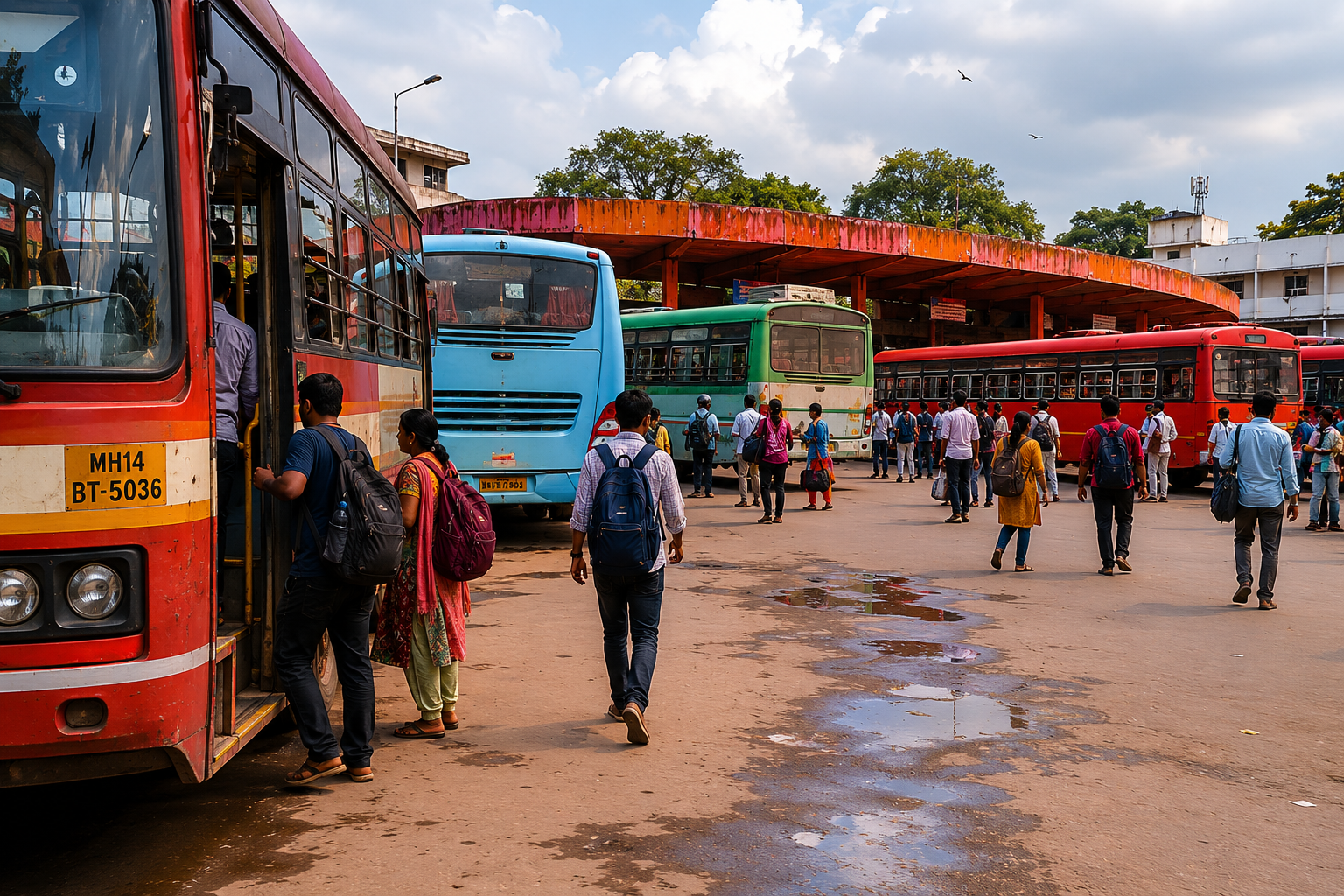
Typically, buses are available from Pune’s Shivajinagar Bus Stop. The trip takes around 3.5 hours and covers about 70 miles. The first bus will get you around 5:30 or 6:00 AM, after that every 30 to 60 minutes till the early afternoon. The last bus usually leaves at 4:00 PM. For more information, you can visit the Bhimashankar website.
By Train
The closest railway station to Bhimashankar Jyotirlinga is Pune Junction. From there, you can take a bus from Shivaji Nagar or take a direct taxi to Bhimashankar. Local buses depart from Ghodegaon and Manchar. Some visitors arrive via Karjat and proceed by car.
By Airways
The nearest airport is Pune Airport. From the airport, hire a cab directly, or travel to the Pune bus stand and take a bus toward Bhimashankar.
Bhimashankar Temple Darshan Timings
Timings can vary slightly on festival days, but generally, the Bhimashankar temple opens around 4:30 AM and closes around 9:30 PM. Morning Pooja begins early. Visitors can get darshan throughout the day. Mondays, Mahashivratri, and the Shravan month saw much larger crowds than on other days.
- Best time for darshan: Early morning between 5 AM and 8 AM is ideal.
Devotees can book special pooja, Abhishek, Rudrabhishek, Laghu Rudra Puja, and Jalabhishek inside temple premises under the priest’s guidance.
Places to Visit Near Bhimashankar Jyotirlinga
Bhimashankar Wildlife Sanctuary
Located in the centre of Bhimashankar, this famous wildlife sanctuary was created to protect the Western Ghats’ abundant biodiversity. The sanctuary differentiates itself by its deep forests, hilly landscapes, and clear waterways, making it an appealing getaway for tourists.
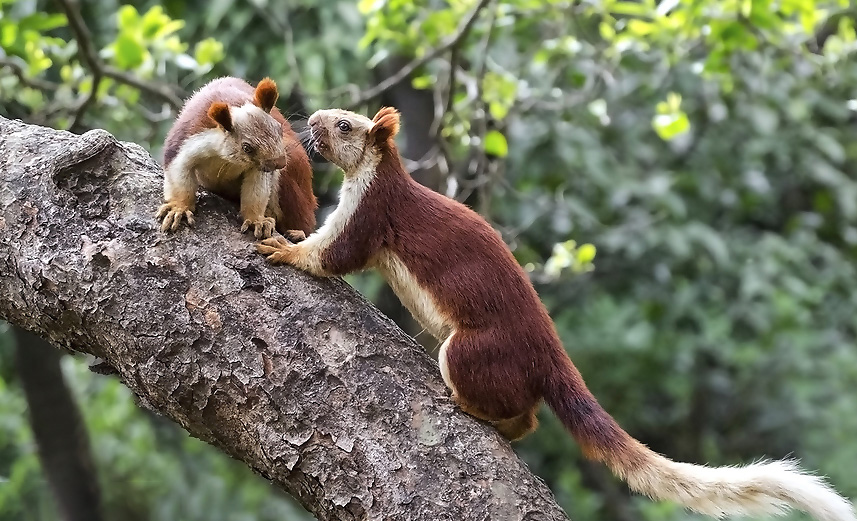
Along with a wide variety of plants and animals, the area is home to the Indian Giant Squirrel, an endangered species. It is a popular site for birdwatchers because of the natural canopy formed by big trees, providing shelter for many bird species. Visitors may fully immerse themselves in the serene atmosphere, leading to secret waterfalls and beautiful vistas.
Hanuman Lake
Hanuman Lake, a calm body of water surrounded by forest, is another Bhimashankar beauty. The lake’s serene waters gracefully mirror the surrounding trees and sky, making it an ideal location for relaxation.
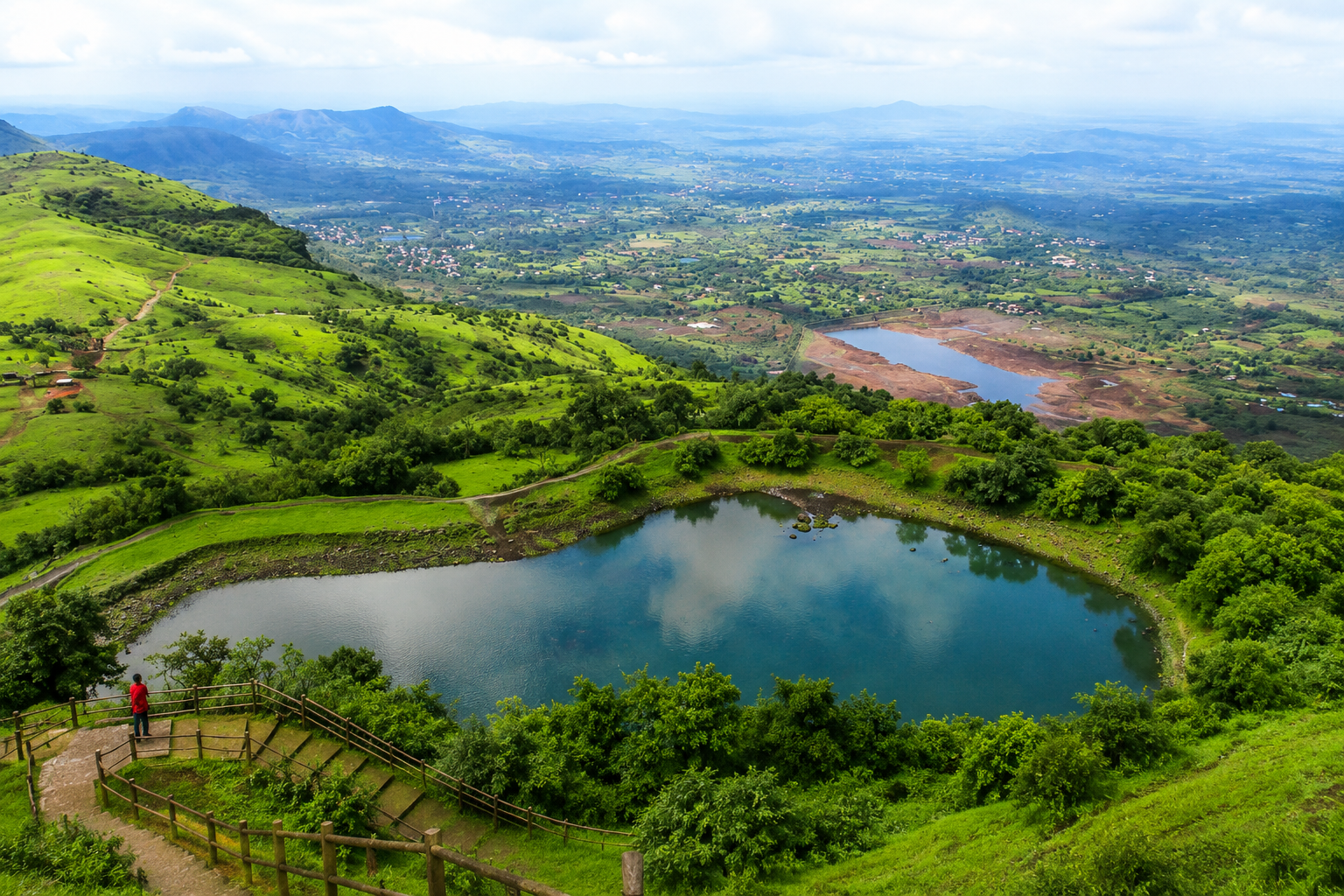
It is also an excellent spot for birdwatching, since a variety of bird species visit the region. The calm atmosphere, along with the sounds of nature, makes it a perfect location for picnics and peaceful strolls. Sunrise and sunset at the lake provide breathtaking vistas.
Gupt Bhimashankar
Gupt Bhimashankar, a natural structure that resembles a Shiva Linga behind a gushing waterfall, is hidden deep in the dense forest. This calm, remote location is perfect for meditation and exploration. The trek to Gupt Bhimashankar is just as satisfying as the ultimate destination since it takes travelers through untouched landscapes, across rivers, and through dense forests.
Travel Tips Before Visiting
A few useful pointers can help the journey go more smoothly:
- If you’re travelling by car, start early.
- Put on a comfortable dress and shoes.
- In the monsoon, keep a raincoat & umbrella with you.
- Keep cash on hand when visiting tiny local businesses.
- During the Shravan month and on Mondays, be prepared for big lines and 3 – 4 hours of waiting.
- In certain areas, mobile networks might be inconsistent. Typically, weekdays are less congested than weekends.
Why Visit Bhimashankar Jyotirlinga?
Bhimashankar offers a rare combination of spirituality and natural beauty. Tourists visit here to seek blessings from Lord Shiva but get mesmerised with the beauty of the temple, the fresh mountain air, and the calmness of the forests that surround the temple. It feels different from many urban pilgrimage centres. The chants from inside the temple, the mist around the hills, and the sound of bells echoing through the forest create a memorable experience for every traveller and devotee visiting Bhimashankar. If you’re planning a Jyotirlinga pilgrimage in Maharashtra or looking for a meaningful weekend getaway from Pune or Mumbai, Bhimashankar deserves a place on your list.
FAQs
1. Where is Bhimashankar Jyotirlinga located?
Bhimashankar Temple is located in the Pune district of Maharashtra, nestled in the Sahyadri hills, around 110 km from Pune.
2. What is the best time to visit Bhimashankar Jyotirlinga?
The best time to visit Bhimashankar Jyotirlinga is from October to February, when the weather is pleasant. Monsoon is also popular for greenery and scenic views.
3. How can I reach Bhimashankar Jyotirlinga from Pune?
You can reach Bhimashankar from Pune by road via Rajgurunagar, Manchar, and Ghodegaon. Buses from Shivajinagar Bus Stand and private taxis are easily available.
4. What are the darshan timings of Bhimashankar Temple?
The temple generally opens early morning around 4:30 AM and remains open till around 9:30 PM, though timings may vary on festival days.
5. Is there accommodation near Bhimashankar Temple?
Yes, budget lodges, dharamshalas, and guesthouses are available near the temple. Many travelers also stay in Pune and visit as a day trip.