

If you’re interested in Romanian history and you’re intrigued by the story behind the legend of Vlad Țepes (Vlad the Impaler), commonly known as Dracula, you have to visit the famous Bran Castle. It is also called Dracula’s Castle and it is situated at the entrance of Bran-Rucar pass. Discover this enchanting region and the reality and myth of Dracula legend. We hope that you will carry the spirit that makes us love Bran Castle with you.
The castle is now a museum open to tourists, displaying art and furniture collected by Queen Marie of Romania who appointed the castle as a royal residence between 1920 and 1957. At the bottom of the hill is a small open-air museum park exhibiting traditional Romanian peasant structures (cottages, barns, etc.) from across the country.
Irish Author and Transylvania
Transylvania has been made famous by one of the Irish author known as Bram Stoker. He has though never traveled to this place but describes this place to be haunted by Dracula in the first place. He has illustrated many real locations of Romania and captures the landscaping beauty of Transylvania in his book.
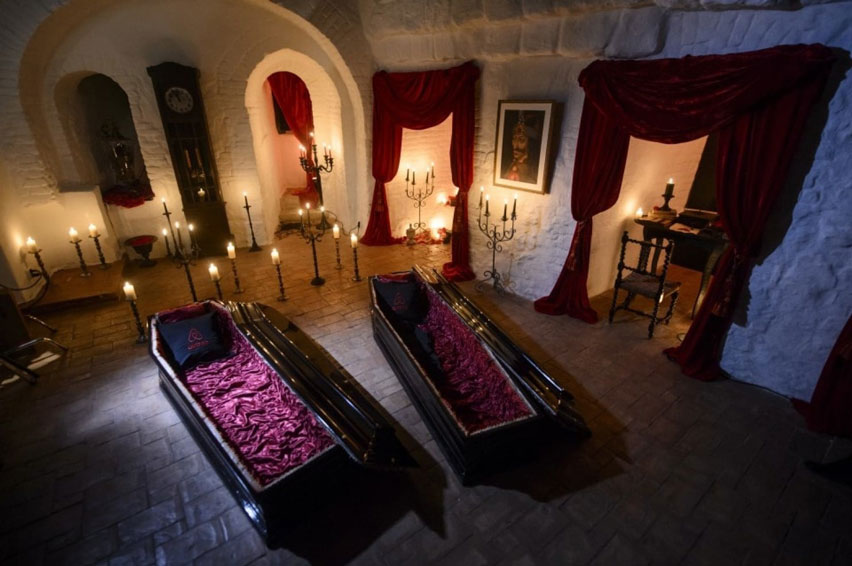
He has even written in his book about the disappearances of persons or rather abducted by the legends as you drive through Carpathian Mountains of Romania in the night through dense forest on your way to Bran Castle.
Legends of Dracula In Transylvania
Two of the most notorious figures in Romanian history framed the motivation for the character of Count Dracula.
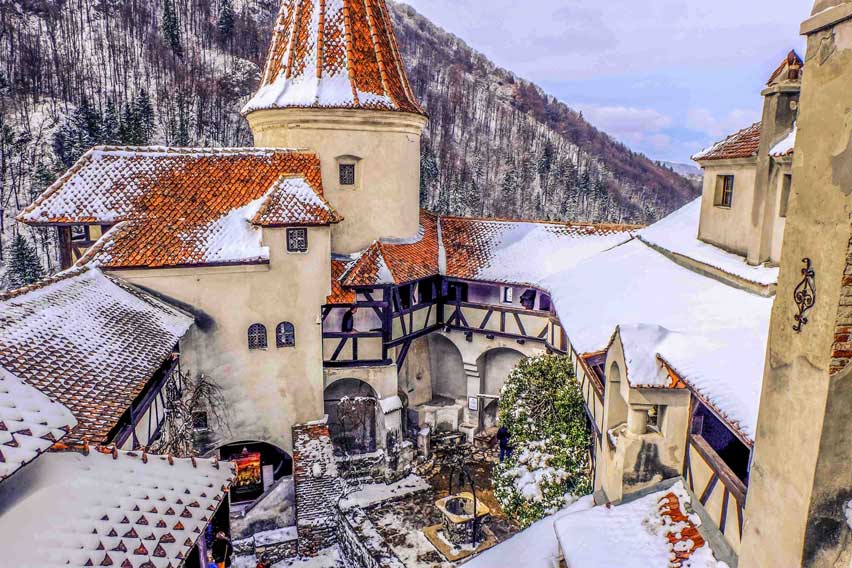
Vlad the Impaler
To begin with, we have the child of Vlad Dracul, Vlad Tepes Dracula, or Vlad the Impaler as he is best known. (Dracul, is a nickname which meaning ill will or child of Satan).
Elizabeth Bathory Aka The Serial Lady Killer
In the history of Transylvania, the female serial killer holds importance, Countess Elizabeth Bathory, who was likewise a major motivation for the character of The Count.
Elizabeth Bathory was liable for tormenting and murdering many young ladies somewhere between 1585 and 1610. The royal lady showed vampiric inclinations by drinking and taking a bath in the blood of youthful virgins in the conviction she could achieve everlasting youthfulness.
The Bathory family-led Transylvania as an autonomous ruler of the Kingdom of Hungary, so she never confronted any charges for the killings. Despite the fact that not attempted, authorities.
Also Read: 10 Most Mysterious Places Across The World
Van Helsing

As described by Bram in his books about a priest who hunted Dracula and demons for their living. Ven Helsing always fascinates everyone as claims have been made that there was a pastor named Helwing who used to hunt demons. There is a film by the name of Van Helsing, which was considered as the role play of the book. But as the claims were made the mystery even deepens that was their a powerful Dracula who was taken down by a bounty hunter Pastor for saving the life of the Transylvania people.
The transition of Bran Castle into Dracula Base
The main connection of these verifiable characters have with Bran Castle is when Vlad the Impaler attempted to invade the fort, it was conceivable he was in the end detained in the prison there. It is only through the detailed description of the castle in Bram’s book, and it’s area does Bran Castle becomes the home of Dracula. Although from outside the castle looks like its been haunted and while entering you feel the change in temperature, the interiors are well made for being a castle.
History
1211 was the year when building works for the Castle started. The Castle’s situated on the border of Transylvania gave it extraordinary military and business significance until the outskirt of Transylvania moved in 1836. All through the next years, the castle fell into rot. In 1920 it was given to Queen Maria of Romania after Transylvania turned out to be a part of Greater Romania. Following a nine-year rebuilding, Bran Castle stayed a most loved imperial royal family rule until socialism the regal family from Romania regained their rights on the castle. The castle has been returned to the royal family, and since then, it is privately owned till date.
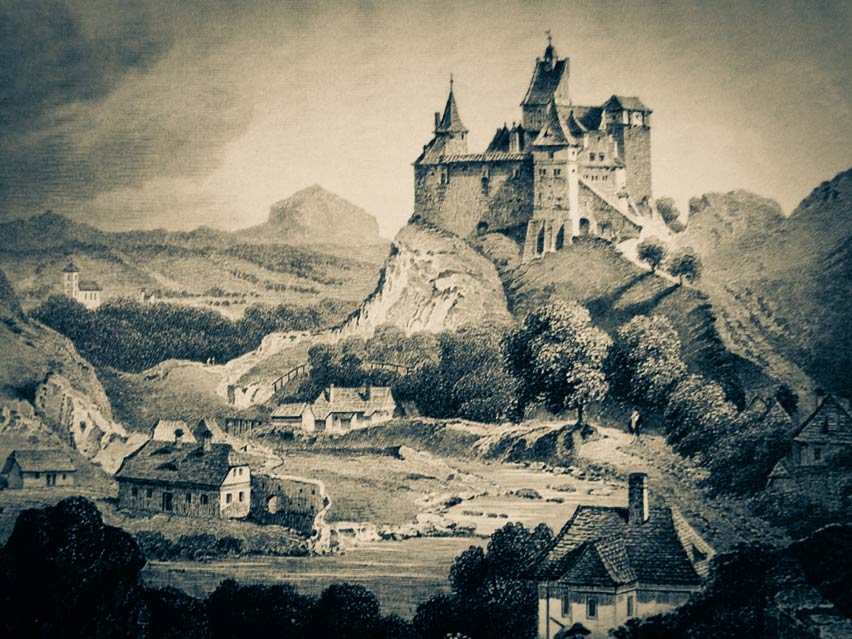
Interestingly because of communist rules, most Romanians were uninformed of the interest for Bran Castle and Transylvania until long after socialism fell. Supernatural seekers would come to Transylvania during communist rules looking for Dracula’s stronghold, and to investigate the paranormal activities within the area. Most left frustrated at the absence of intrigue given to the subject by generally Romanians. After communist rule came to an end, the people became aware of the facts, and then they welcome vampire hunter with both hands.
Also Read: 9 Unsolved Mysteries And Legends Throughout The World
Bran Castle Hosted Events
Bran Castle isn’t altogether about the matter of Dracula. Encompassed by lovely gardens and the staggering Transylvanian wide open, the mansion is the ideal setting for outdoor occasions.
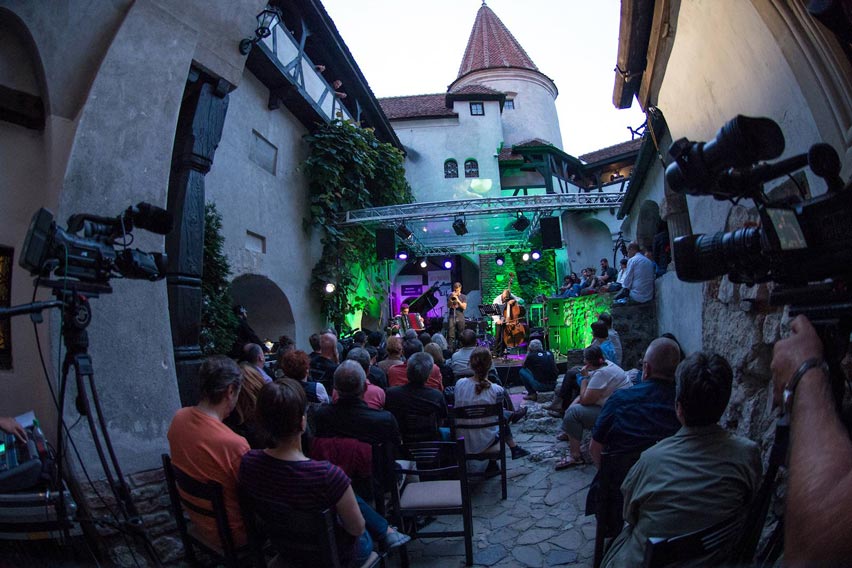
During late spring, Bran Castle is an event place altogether. They host many garden events such as classical and jazz concerts, children’s fairy tale events, and special movie screenings. During Halloween, as the castle is considered to be haunted, the whole castle night tour is given with a possibility of a sleeping overnight.
Useful Information about Bran Castle
Where is Bran Castle
Bran Castle is in the Brasov County in Transylvania. One of the most lovely and touristic territories of Romania.
Instructions to Get into Castle
Train: You can make a trip from Bucharest to Brasov in 3.5 hours via train for approx €10. Trains withdraw hourly.
Transport: Busses to Bran leave Brasov’s transport terminal No. 2. Approx. 45 min. See the Bran Castle site for more information about this.
Driving from Bucharest to Bran Castle is a little more than 3 hours.
Driving from Brasov to Bran Castle will take approx. 40 minutes.
Tour: There are numerous Bucharest to Bran Castle visits, and there are day trips from Brasov. Vast numbers of the day outings to Transylvania and Bran Castle may also include a visit to Peles Castle.
Bran Castle Tours
Opening Hours
This castle is open every day, but the opening times may differ as per the season. See The Official Bran Castle site for opening times.
Passage Fees
For an adult, the standard entry fees are around 8€. There is a discount for senior citizens, college students, and children.