

The largest animal that has ever lived, bigger than any dinosaur, swims within 10 to 20 km of a fishing harbour you can walk to from your guesthouse. That is the whole case for Sri Lanka whale watching, and the reason I would put Mirissa above Iceland, the Maldives and anywhere else an Indian traveller can reach on a four-day leave. From December to March the boats find blue whales on most mornings, and the trip costs about the same as a good dinner in Mumbai.
The catch with Sri Lanka whale watching is November. The season opens, the brochures say “whales are back”, and the sea is often still unsettled from the south-west monsoon. So: honest odds first, then the morning itself, the boats, and the costs from India.
Sri Lanka Whale Watching Odds by Month
Operators claim “95 percent success”. The only long-run data I trust is an analysis of 992 Mirissa sailings between 2008 and 2015: blue whale encounter rates mostly between 70 and 90 percent, crossing 90 in peak months. A 2023 study found calving peaks in March and April. Here is how I read the south coast season.
| Month | Blue whale odds (south coast) | Sea and cancellations |
|---|---|---|
| November | Roughly 7 trips in 10 | Lumpy, especially early on. Trips get cancelled. Keep a spare morning. |
| December | 8 to 9 in 10 | Settles after the first week. Christmas boats are packed. |
| January | 9 in 10, often better | Calmest water of the year. |
| February | 9 in 10 | Calm, clear, hot. Prices at their highest. |
| March | 8 to 9 in 10 | Calving season, mothers with calves. Still calm. |
| April | 7 to 8 in 10 | Whales start heading west. Swell builds after mid-April. |
| May to October | South coast closed | Monsoon. Go to Trincomalee on the east coast instead. |
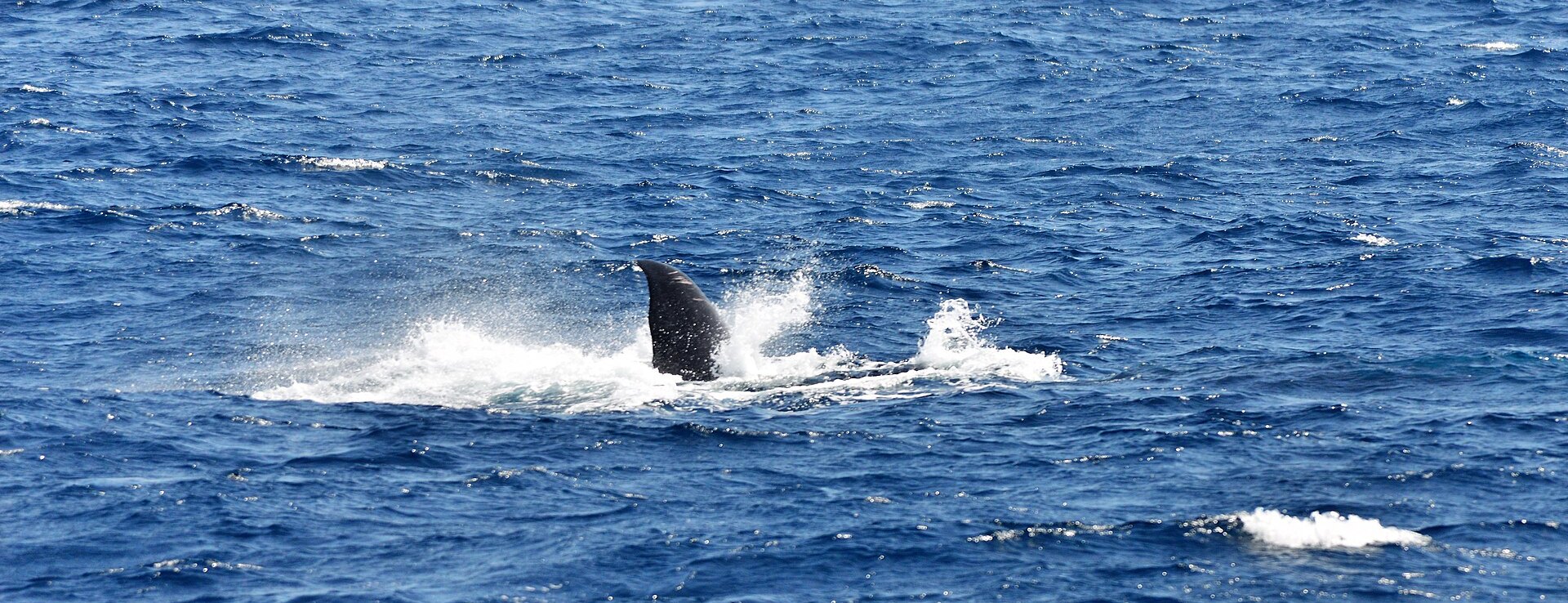
The table cannot show that “seeing a whale” can mean a grey back and a blow at 300 metres; blue whales take two or three breaths, show the fluke if you are lucky, and go down for 10 to 15 minutes. The odds are per trip, so plan two mornings. In November that insurance is worth it.
The east coast runs on the opposite calendar: Trincomalee and Nilaveli work from roughly May to October, with shared boats around USD 30 to 35. If dolphins are the real goal, Kalpitiya on the north-west coast has spinner dolphin super pods of several hundred animals from November to April, boats leaving Alankuda beach about 7 am for three hours. It is 165 km north of Colombo, the opposite direction from Mirissa, a different trip altogether.
How a Mirissa Whale Watching Morning Actually Goes
Alarm at 5 am. Tuk-tuk to Mirissa Fisheries Harbour, east of the main beach, check-in around 6 am, life jacket, plastic chair while the crew counts heads. Most boats leave between 6:00 and 6:45 am, so you watch the sun rise from the water.
The run out takes 45 minutes to an hour, and this is where the geography does the work. Around Dondra Head, the southern tip of the island, the continental shelf is at its narrowest. The shelf edge sits only 7 to 8 km south of Mirissa, a submarine canyon starts about 5 km out, and water a kilometre deep is roughly 40 minutes by boat. Elsewhere around the island you would travel five or six times that distance for the same depth.
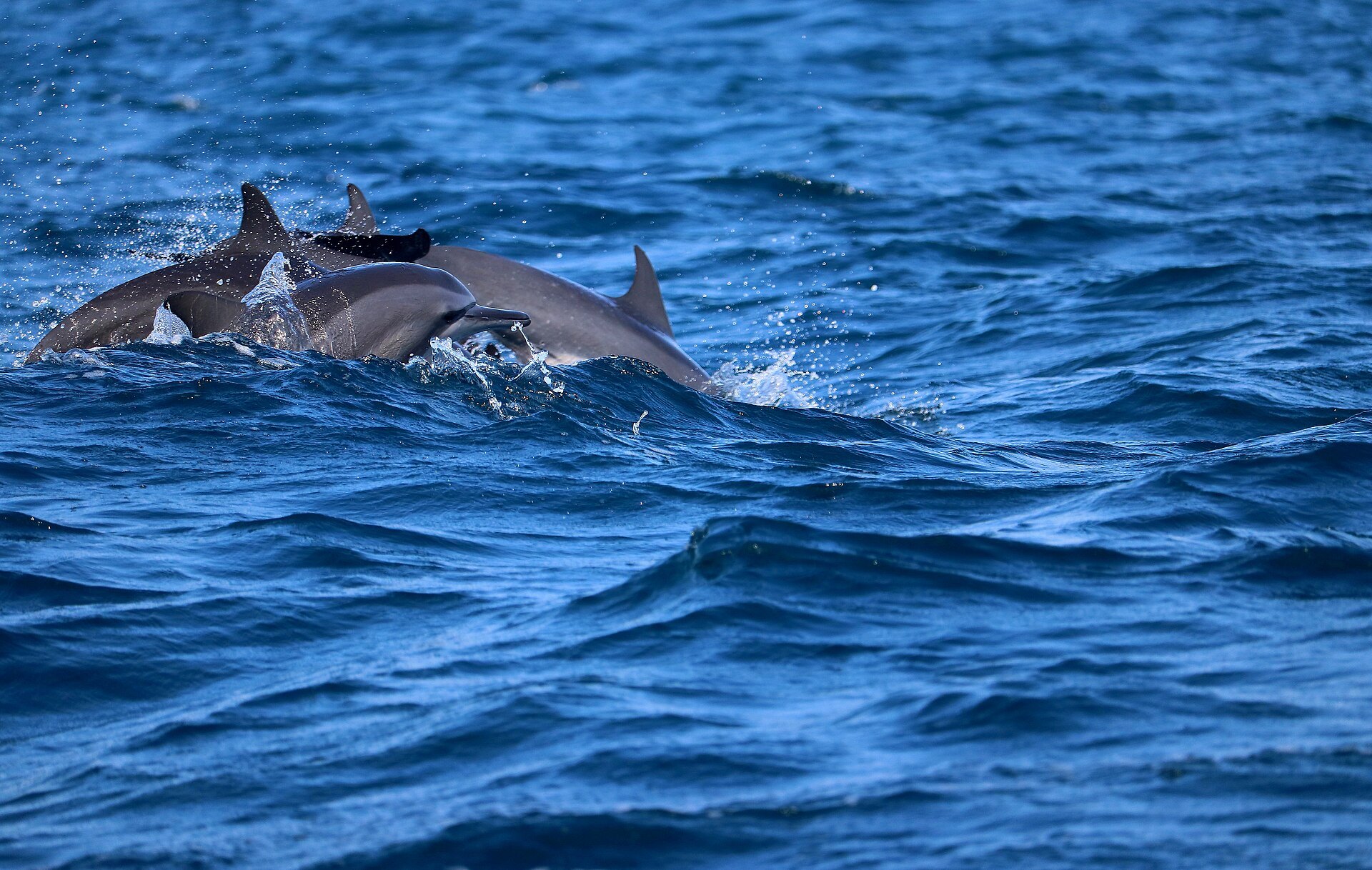
So blue whales moving along the shelf edge between the Arabian Sea and the Bay of Bengal, and sperm whales diving for squid in the canyon, end up within sight of a village with a bus stand. Bryde’s whales and big pods of spinner dolphins are the regulars.
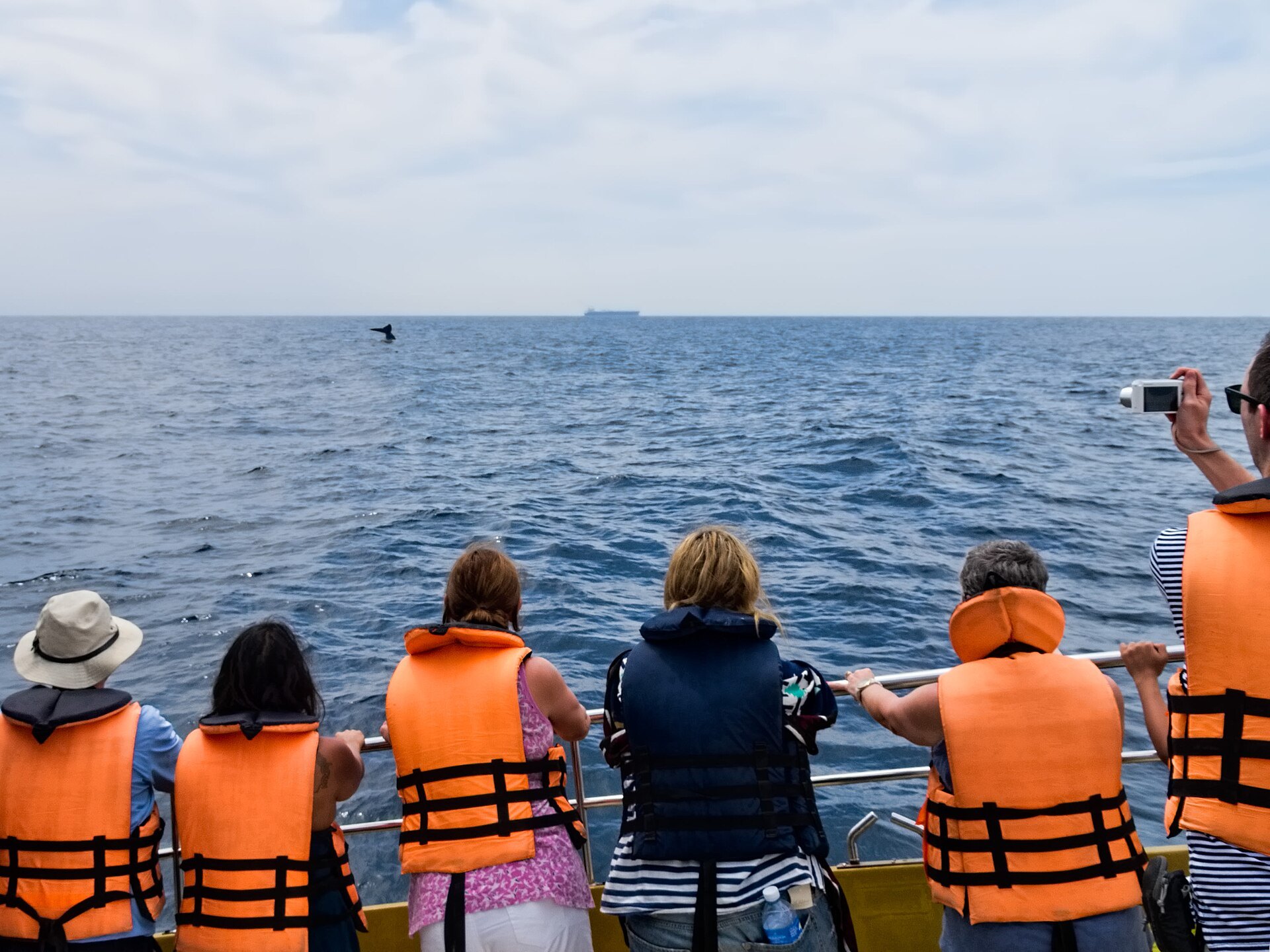
The rules matter. Sri Lanka’s Sea Mammals (Observation, Regulation and Control) Regulations of 2012 require every Sri Lanka whale watching boat to hold a licence from the Department of Wildlife Conservation, to slow at 400 metres, to cut the engine at 100 metres from a whale and never go closer, and to keep 50 metres from dolphins.
Watching is allowed only between 5:30 am and 7 pm, and alcohol is banned on board. A skipper who drives at a whale for a selfie is breaking the law, and that is the main thing I judge a boat on.
Seasickness ends more Sri Lanka whale watching mornings than bad weather does. Two honest warnings from my side. A boat sitting still with the engine off in a swell is far worse than a moving one. And if you are even slightly prone, take an Avomine 45 minutes before boarding, eat lightly, sit low near the middle, and watch the horizon rather than your phone. Boats return between 10 am and noon, in time for a late breakfast of egg hoppers and sambol on Mirissa beach.
Choosing a Boat: Shared, Private or the Navy
The harbour has a few dozen licensed boats and, in peak season, a crowd of touts. A fair Sri Lanka whale watching price for a shared boat with hotel pickup, a basic breakfast and the wildlife fee is LKR 8,000 to 15,000 per person, roughly Rs 2,300 to 4,400 at about 3.4 Sri Lankan rupees to one Indian rupee. Walk-up tickets at the harbour counter go for LKR 7,000 to 8,000 without pickup.
Online resellers list the same seat at USD 60 to 65, so booking through your guesthouse or on WhatsApp saves a third. Some operators add the Wildlife Department fee separately, about USD 18 per adult, so ask what is included. Private charters start around LKR 200,000 per boat, roughly Rs 58,000, sensible for a family of five and a lot of money for a couple.
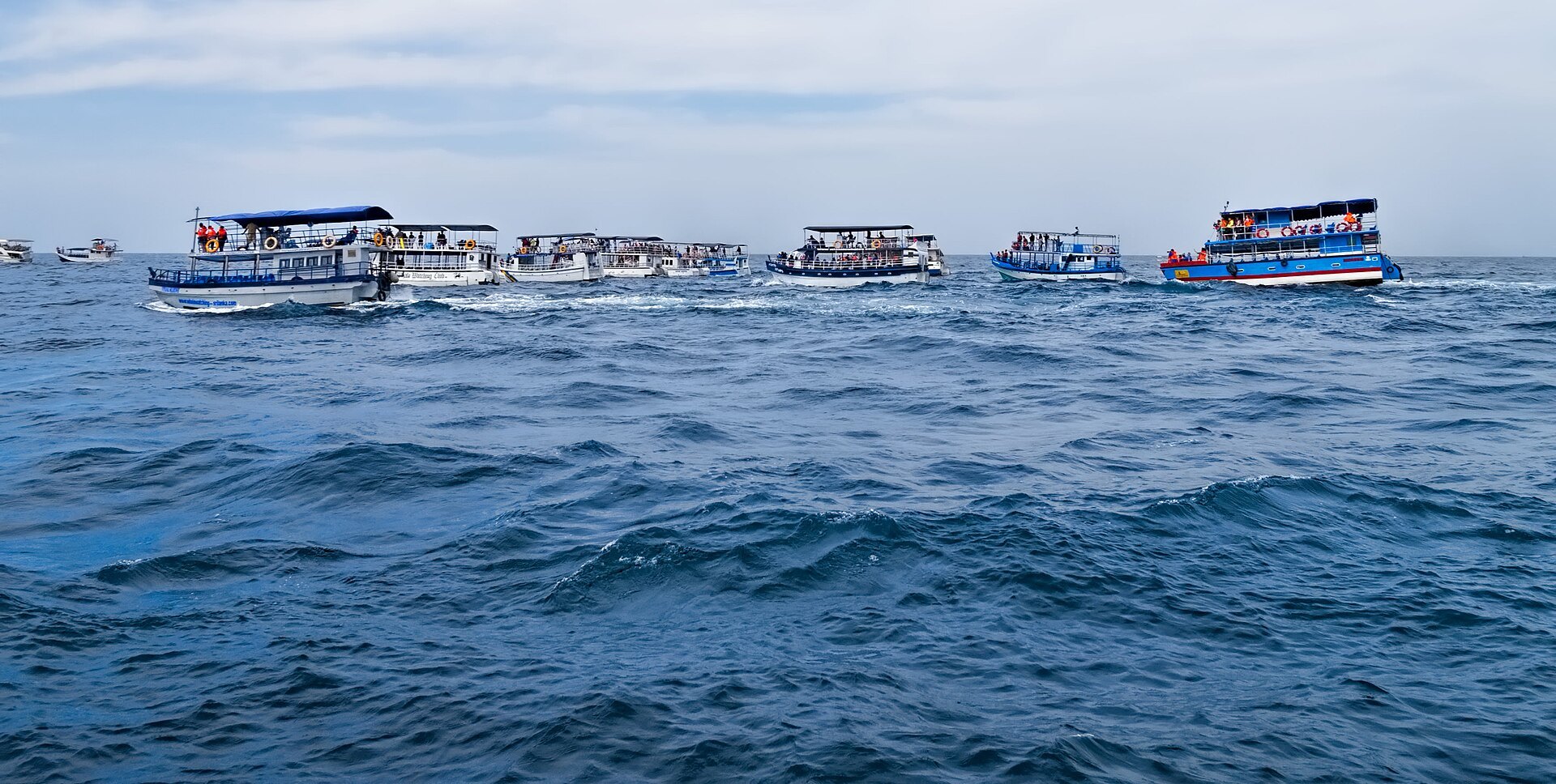
Then there is the cheapest licensed option, which few Indians know about. The Sri Lanka Navy runs a 40-metre former passenger craft, the Princess of Lanka, seating about 300, out of Galle harbour in the south coast season and Trincomalee in the east coast season. Last season the ticket was about LKR 7,200 per person including tax for a five-hour cruise covering 30 to 40 km towards Mirissa.
The ship is stable, which matters for Sri Lanka whale watching in November, and the Navy does not chase whales, though you sit higher and further from the animal. Dates are announced season by season on the Navy’s whale watching site, and the last published south coast run started in late November, so check before building a day around it.
Picking a small operator comes down to a few signs. A visible registration number and a DWC licence. A crew that explains the distance rules rather than promising a sighting. Fewer than 40 people on yesterday’s boat. Pay a little more for a boat that stays calm.
Getting There: Visa, Flights and the Southern Expressway
Indians now travel to Sri Lanka on a free 30-day tourist ETA with double entry, in force since 25 May 2026 for 40 nationalities including India. You still apply online before flying, your passport needs six months’ validity, and immigration can ask for a return ticket. Apply only on the government portal at eta.gov.lk.
The first page of search results for “Sri Lanka visa” is full of agent sites charging USD 30 to 70 for a form the government processes free. Free visa schemes here have been withdrawn before, so read the current alert on the portal first.
Chennai is the cheapest gateway: IndiGo and SriLankan fly it in about an hour and twenty minutes, with one-way fares on quiet dates around Rs 5,500 to 9,000. From Mumbai and Bengaluru, SriLankan’s return fares when I last checked were about Rs 24,500 to 26,000, and from Delhi about Rs 34,000. Kochi, Hyderabad and Tiruchirappalli also have direct flights. The same ocean that makes Sri Lanka whale watching possible at Mirissa is the one you look at from Dhanushkodi and Kanyakumari.
From Colombo airport at Katunayake, the quick route is the airport expressway on to the E01 Southern Expressway, exiting at Kokmaduwa for Weligama or Godagama for Matara, about 150 to 160 km and two and a half hours. A hotel-arranged car or a PickMe cab runs roughly LKR 20,000 to 28,000 (Rs 6,000 to 8,200) including tolls.
The alternative I prefer, if you are not landing at midnight, is the coastal railway: trains from Colombo Fort reach Weligama and Mirissa in about three hours for a few hundred rupees in second class.
Where to Stay and What to Eat
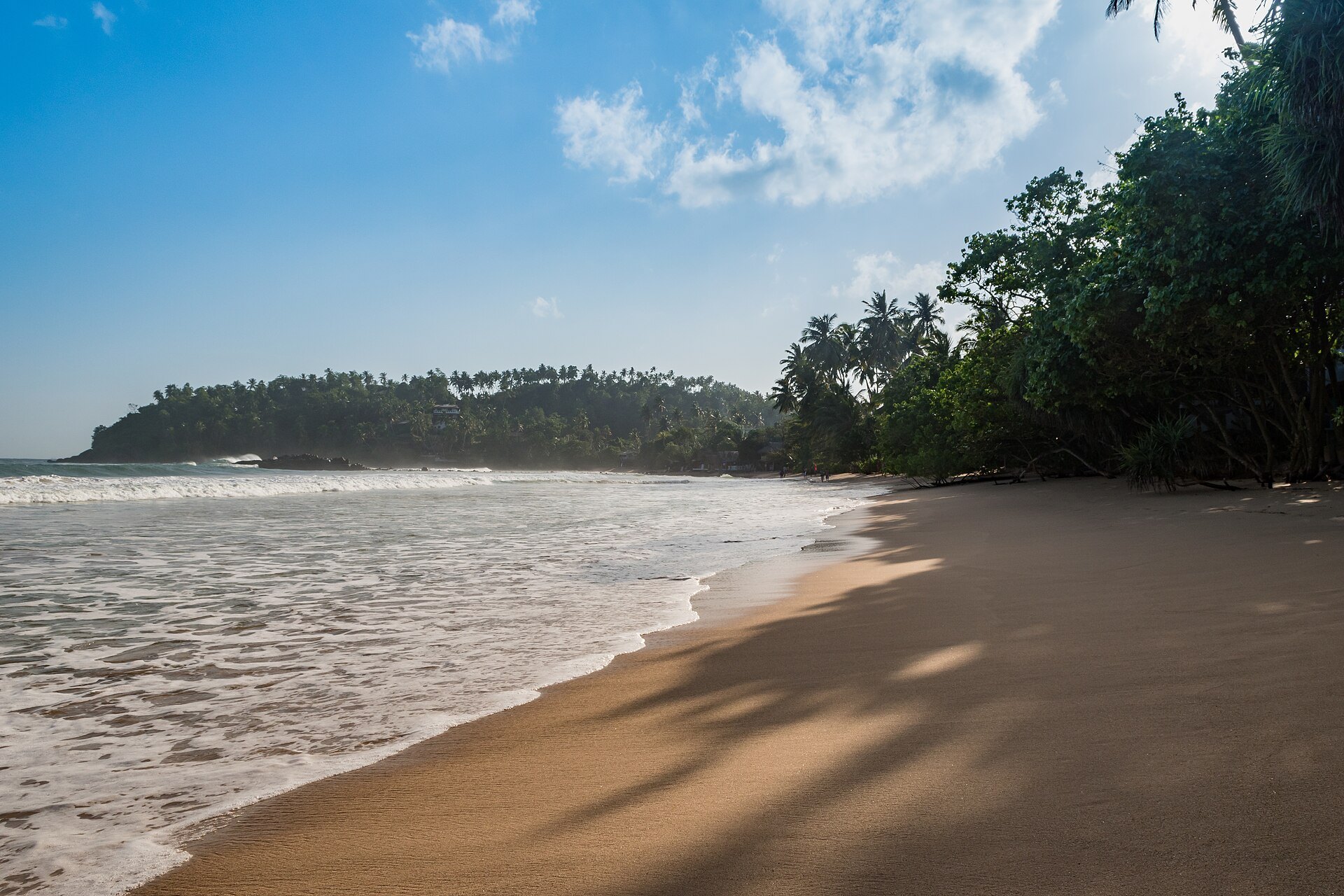
Mirissa and Weligama are 6 km apart. Mirissa is the beach town, with Coconut Tree Hill at one end and a strip of beach restaurants that get expensive. Weligama is the surf town, cheaper, with the railway station and the big resorts on the headland. For Sri Lanka whale watching alone, stay in Mirissa so the 5:30 am tuk-tuk is a five-minute ride.
Price bands per night for two with breakfast: family guesthouses at USD 25 to 35 (Rs 2,200 to 3,100), mid-range places with a pool at USD 90 to 130 (Rs 8,000 to 11,500), and the Weligama Bay Marriott or Cape Weligama at USD 220 to 450 and up.
Rates rise 30 to 50 percent from mid-December to mid-January and good guesthouses fill by early December, so book the boat and the room together. Couples treating this as a honeymoon add-on should read our best honeymoon destinations around Asia, where Mirissa already appears.
Food is easier for vegetarians than people fear. Rice and curry here means five or six vegetable curries by default, and the fish is a separate addition you can decline. A local rice and curry lunch is LKR 500 to 1,500, Dhana’s Curry Pot in Mirissa does an all-you-can-eat vegan buffet for around LKR 1,000, and beachfront restaurants charge LKR 2,000 to 5,000 a head. Jain travellers should know that most curries start with onion and garlic.
Money is simple now. UPI works at merchants showing a LankaQR code, through PhonePe and most Indian UPI apps with international payments switched on. Small guesthouses and tuk-tuks still want cash. Visa and Mastercard debit cards work at bank ATMs in Weligama and Matara, with a fee each time, so withdraw in big lots. RuPay is not reliably accepted yet, and most money changers will not touch Indian rupee notes at all.
Beyond the Boat: Galle, Weligama and the Turtle Question
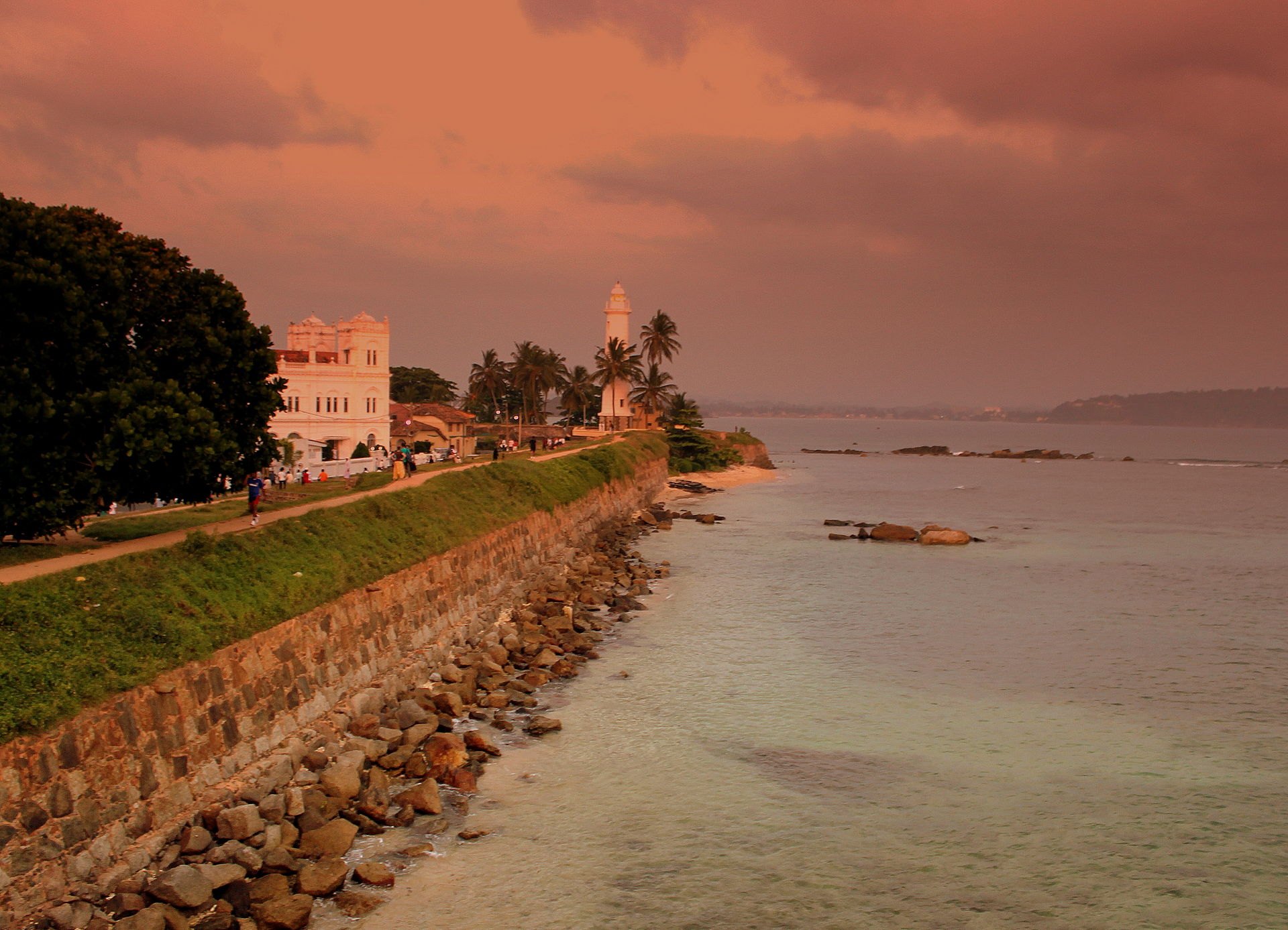
Galle Fort is 45 minutes west by tuk-tuk, a 17th-century Dutch walled town on the UNESCO list, with no entry fee for the fort itself, museums at LKR 500 to 1,000, and ramparts you walk at sunset past the lighthouse and the mosque.
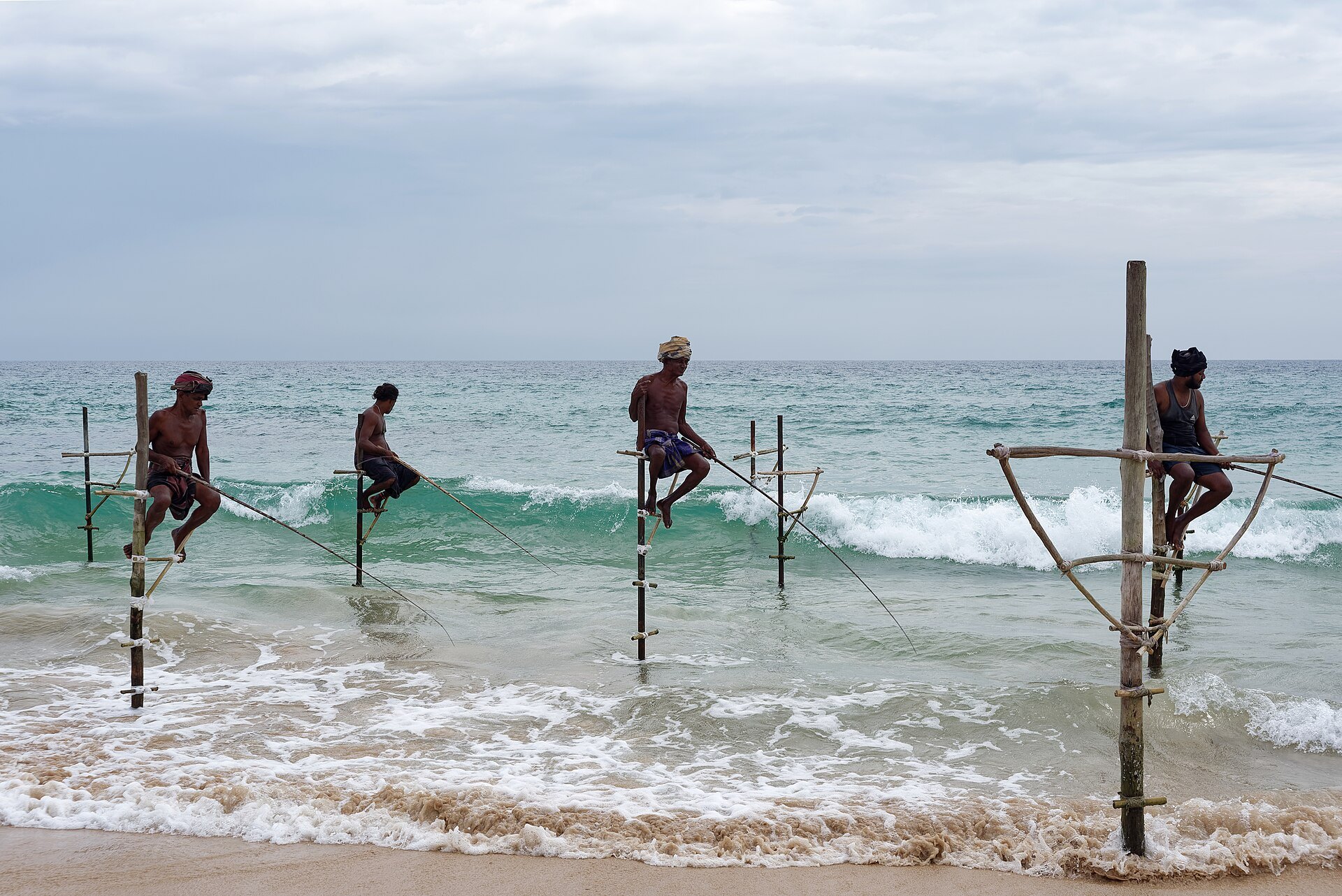
Weligama bay is the easiest learner surf on the island, and a 90-minute group lesson with board and rash vest costs USD 20 to 25. The stilt fishermen between Koggala and Weligama are a different matter. The craft is real and old, but the men on the poles today climb up when a tourist vehicle stops and ask for LKR 500 to 1,500 for the photo. I paid once; the cheerful fellow explained the arrangement without any pretence.
Turtle hatcheries are the thing I would skip. Several on the Galle to Hikkaduwa stretch charge LKR 1,000 to 1,500 and look like conservation. Investigations by Responsible Travel found hatchlings kept for days in concrete tanks so visitors can handle them, which spreads disease and drains the hatchlings, and some hatcheries have bought eggs from poachers.
For turtles, snorkel at Hikkaduwa or Polhena, where green turtles graze wild on the reef. Closer to home, our Lakshadweep trip guide and Andaman and Nicobar guide cover dolphins and reef life.
Yala National Park is the big-ticket add-on, three hours east, famous for leopards. Foreigners pay about USD 25 per person plus 18 percent tax, a jeep is extra, and packaged safaris from Mirissa run around EUR 120 to 130 a head. It needs a sixth day. Our older guide to planning a holiday in Sri Lanka covers Kandy, Ella and Sigiriya.
A 5 Day Sri Lanka Whale Watching Plan With Real Costs
This is the shape that worked for me, on a morning flight from Chennai, giving the whales two chances.
Day 1: Land by noon, expressway car to Mirissa, sunset at Coconut Tree Hill. Day 2: Whale trip one, then the beach. Day 3: If day 2 was cancelled or whale-less, go again. Otherwise surf lesson at Weligama, then Galle Fort for sunset and dinner. Day 4: Snorkelling at Polhena, or the Navy cruise from Galle if it is running, evening at Parrot Rock. Day 5: Train up the coast to Colombo, evening flight home.
| Item (per person, two sharing) | Budget | Comfortable |
|---|---|---|
| Return flight, Chennai to Colombo | Rs 12,000 | Rs 18,000 |
| Visa (free ETA, official portal) | Rs 0 | Rs 0 |
| Airport to Mirissa and back | Rs 1,500 | Rs 7,500 |
| 4 nights’ stay | Rs 6,000 | Rs 20,000 |
| Two Sri Lanka whale watching trips, shared boat | Rs 5,500 | Rs 8,500 |
| Food, 5 days | Rs 4,500 | Rs 10,000 |
| Galle, surf lesson, tuk-tuks, snorkelling | Rs 3,000 | Rs 6,000 |
| Total | About Rs 32,500 | About Rs 70,000 |
Those numbers assume January fares booked in October; in Christmas week add Rs 10,000 to each column. An Iceland or Azores whale trip costs an Indian traveller Rs 1 lakh before a single fin, so the sense of Sri Lanka whale watching is obvious.
My own take, after a grey November morning when we saw one blow at a distance and a January morning when a blue whale surfaced 150 metres off the bow: go in January or February if the dates are yours to choose. If your leave is in November, still go, book two mornings, take the tablet, and remember that the sea owes you nothing. The whale, when it comes, is worth the early alarm.