

Guys, if you are planning Nepal trekking this October or November, the first thing to open is not a gear list. It is the Nepali festival calendar. Dashain and Tihar, the two biggest holidays in the country, sit right on top of the best walking weeks of the year, and in 2026 Tihar lands on the same weekend as our Diwali. Pick dates blindly and you land in Kathmandu with no bus seat, a shut permit counter and a guide who would rather be at home.
The good part is that the gaps around the two festivals are the cleanest windows of the whole year. So this Nepal trekking guide goes calendar first, then the treks, then paperwork and money.
The Two Festivals That Decide Your Dates
Dashain is Nepal’s Navratri and Dussehra rolled into fifteen days, and the whole country goes home for it. In 2026 it begins with Ghatasthapana on 11 October. The days that matter are Phulpati on 17 October and Vijaya Dashami, the main tika day, on Wednesday 21 October. These are the same days as Durga Puja in Kolkata, only here the celebration is inside homes, with bamboo swings in the villages.
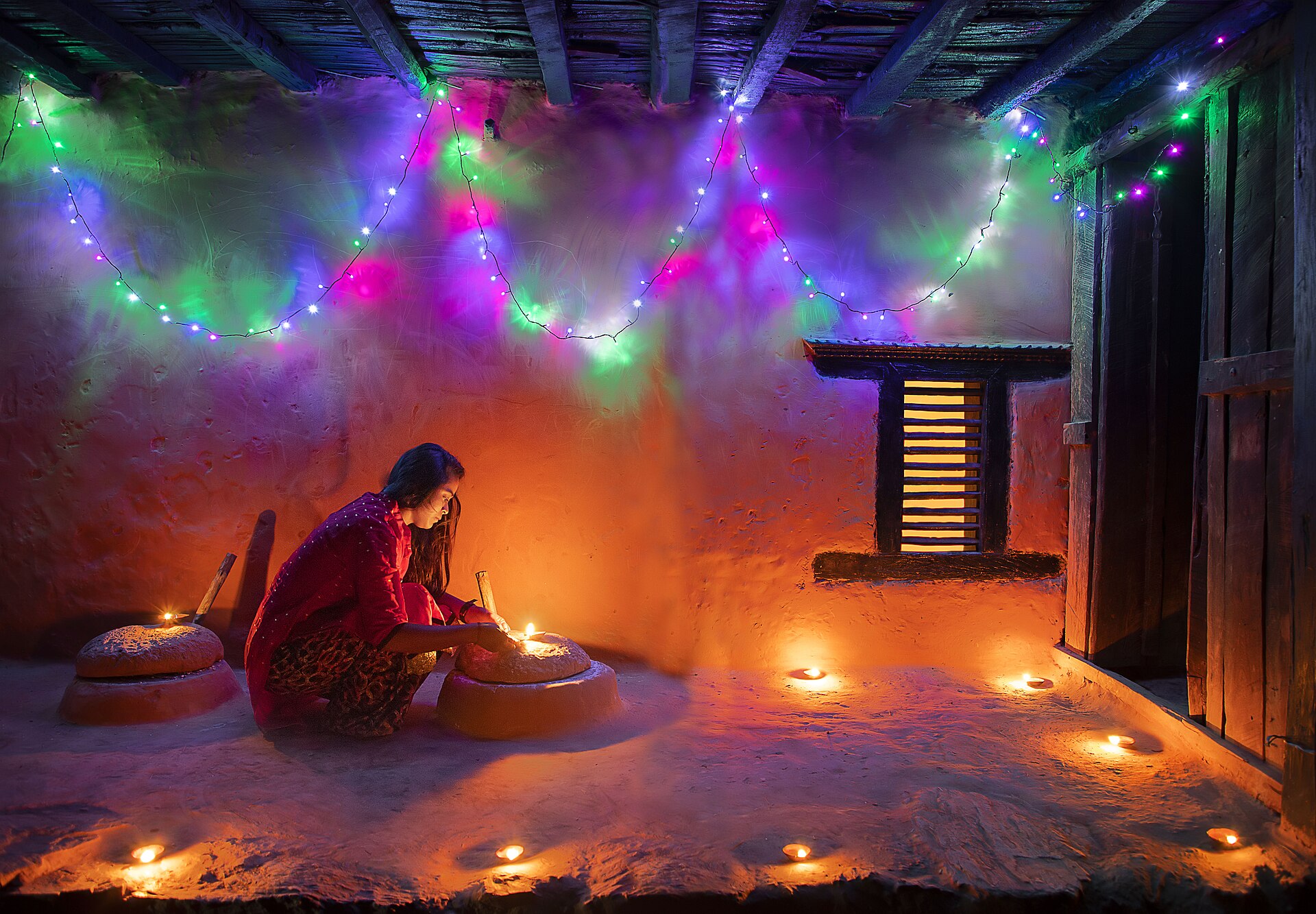
Tihar follows about two and a half weeks later. This year it runs from Saturday 7 November to Bhai Tika on Wednesday 11 November, with Laxmi Puja on Sunday 8 November, the same evening as Diwali in India. Each day honours someone different, and on Kukur Tihar even street dogs get garlands and a red tika.
What Actually Goes Wrong for Trekkers
The trails do not close. Most teahouses stay open, though many run on half their staff. The real trouble is in the cities and on the roads. From about Phulpati until a couple of days after tika, government offices and banks shut, permit counters keep short hours or none, and every bus, jeep and domestic flight out of Kathmandu is packed with families.
Guides and porters are the other piece. A guide from a Rai, Tamang or Magar village wants to be home on tika day, the way you would on Diwali, so the experienced ones get booked early. One exception: the Sherpa villages of Khumbu are Buddhist, so above Namche the lodges barely notice Dashain. Your problem there is reaching Lukla, not finding a bed.
The Clean Windows for Nepal Trekking This Season
Before Dashain, 1 to 9 October. Workable, but not my first choice. The monsoon has been leaving late in recent years, and early October downpours have washed out roads more than once. Keep two buffer days.
After Dashain, 23 October to 5 November. The best fortnight of the year. The sky is washed clean, offices reopen and staff are back. Land in Kathmandu on 22 or 23 October, when the rush is people returning to the city and seats going out are easy. Poon Hill, Mardi Himal and Langtang fit fully inside this window, and Annapurna Base Camp just about.
After Tihar, 12 to 30 November. Colder and quieter. Views are at their sharpest and lodges have empty rooms. You pay with short days and hard cold. Gorak Shep drops to minus 10 or minus 15 at night by late November. For Everest Base Camp I still like this window the most, provided your sleeping bag is a serious one.
A long trek will overlap one festival whatever you do. That is fine. Be on the trail with permits in hand before the holiday starts, and plan no bus, flight or office work between 19 and 22 October or between 8 and 11 November. Using Diwali leave for Nepal trekking? Reach Kathmandu by 5 November and be walking by the 7th. Laxmi Puja in a Gurung village lodge, oil lamps on every window ledge, is a fair trade for the crackers at home.
Five Nepal Trekking Routes, Sorted by Leave
| Trek | Days on trail | Highest point | Rough cost per person |
|---|---|---|---|
| Poon Hill | 4 to 5 | 3,210 m | Rs 15,000 to 25,000 |
| Mardi Himal | 5 to 6 | 4,500 m | Rs 20,000 to 35,000 |
| Langtang Valley | 7 to 8 | 3,870 m (4,773 m with Kyanjin Ri) | Rs 25,000 to 45,000 |
| Annapurna Base Camp | 7 to 10 | 4,130 m | Rs 35,000 to 50,000 |
| Everest Base Camp | 12 to 14 | 5,545 m (Kala Patthar) | Rs 60,000 to 95,000 |
These Nepal trekking costs are for a guided teahouse trek starting and ending in Kathmandu or Pokhara, booked with a local Nepali agency. Indian operators usually add 15 to 25 percent. Flights from India are extra.
Everest Base Camp
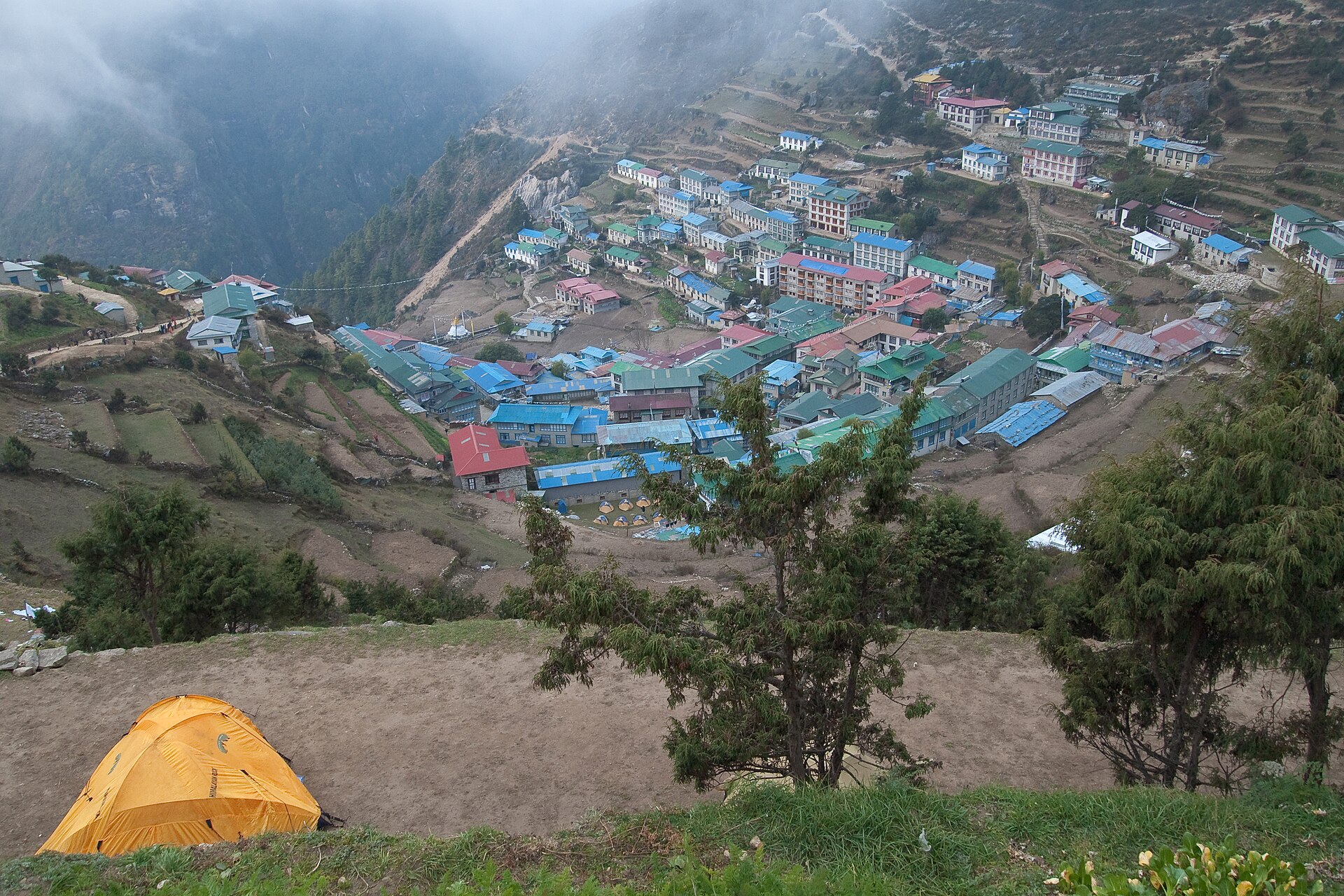
Twelve to fourteen days, and every one is needed. The walk starts at Lukla (2,860 m) and climbs to Namche Bazaar (3,440 m), where two nights are compulsory for acclimatisation, then continues through Tengboche and Dingboche to Gorak Shep. Base camp sits at 5,364 m and, honestly, it is a heap of rocks on a glacier with no view of Everest’s summit. The view everybody comes for is from Kala Patthar at 5,545 m, climbed in the dark next morning.
The Lukla Flight Now Starts from Ramechhap
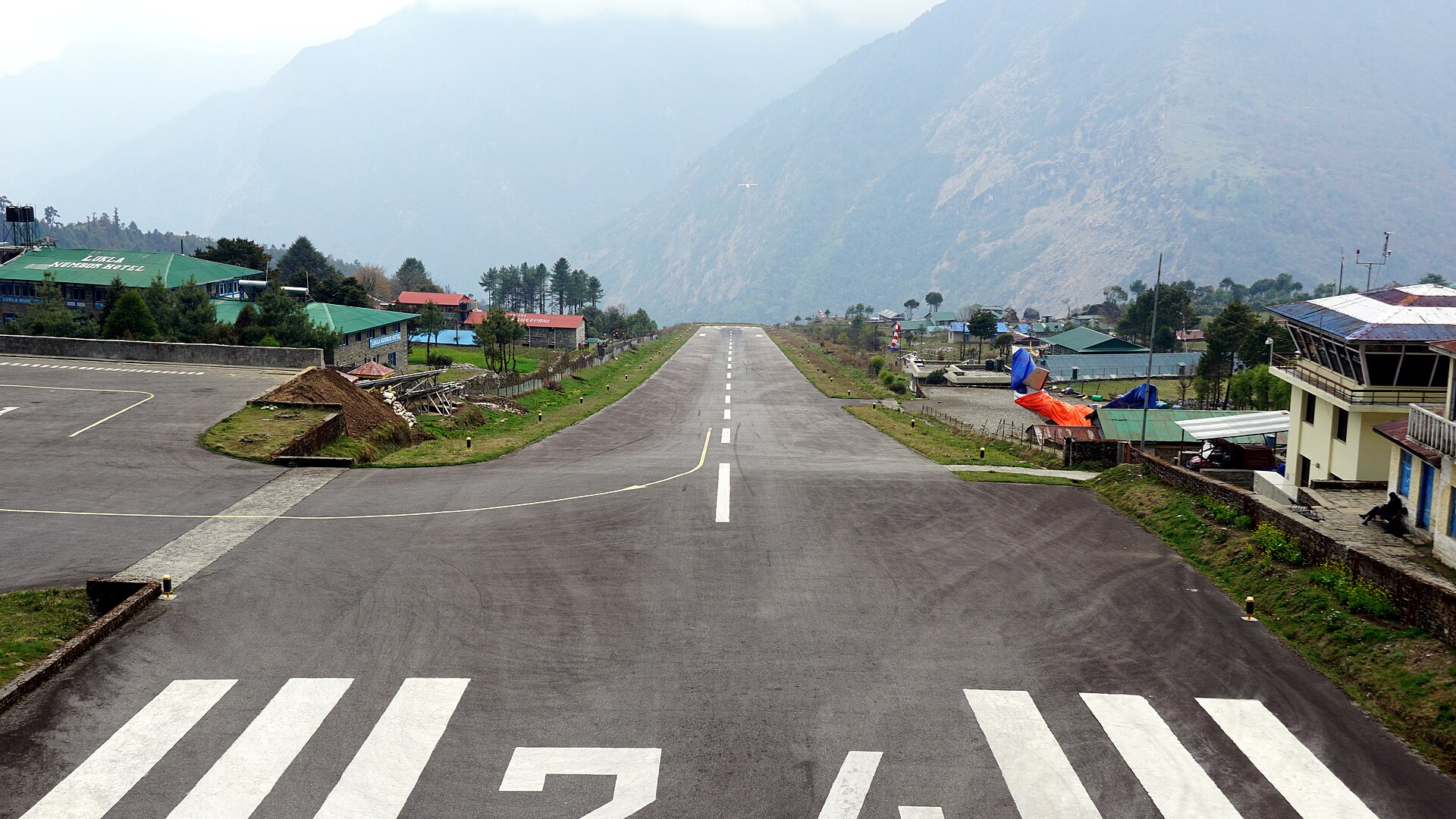
This catches many first timers in Nepal trekking. Through October and November, Lukla flights do not leave from Kathmandu at all. They operate from Manthali airport in Ramechhap, about 130 km and four to five hours away by road. You leave Thamel at 1 or 2 am in a shared van and take a 20 minute hop at sunrise to Lukla’s sloping 527 metre runway.
Indian nationals get a fare lower than the dollar fare, around NPR 22,000 one way when I last checked, roughly Rs 13,500 to 14,000. Book it through a Nepali agency. Weather cancels Lukla flights all the time, sometimes for two or three days together, so keep two spare days before your flight home. People who skip the buffer end up paying Rs 35,000 to 50,000 a head for a shared helicopter ride out.
Annapurna Base Camp and Poon Hill
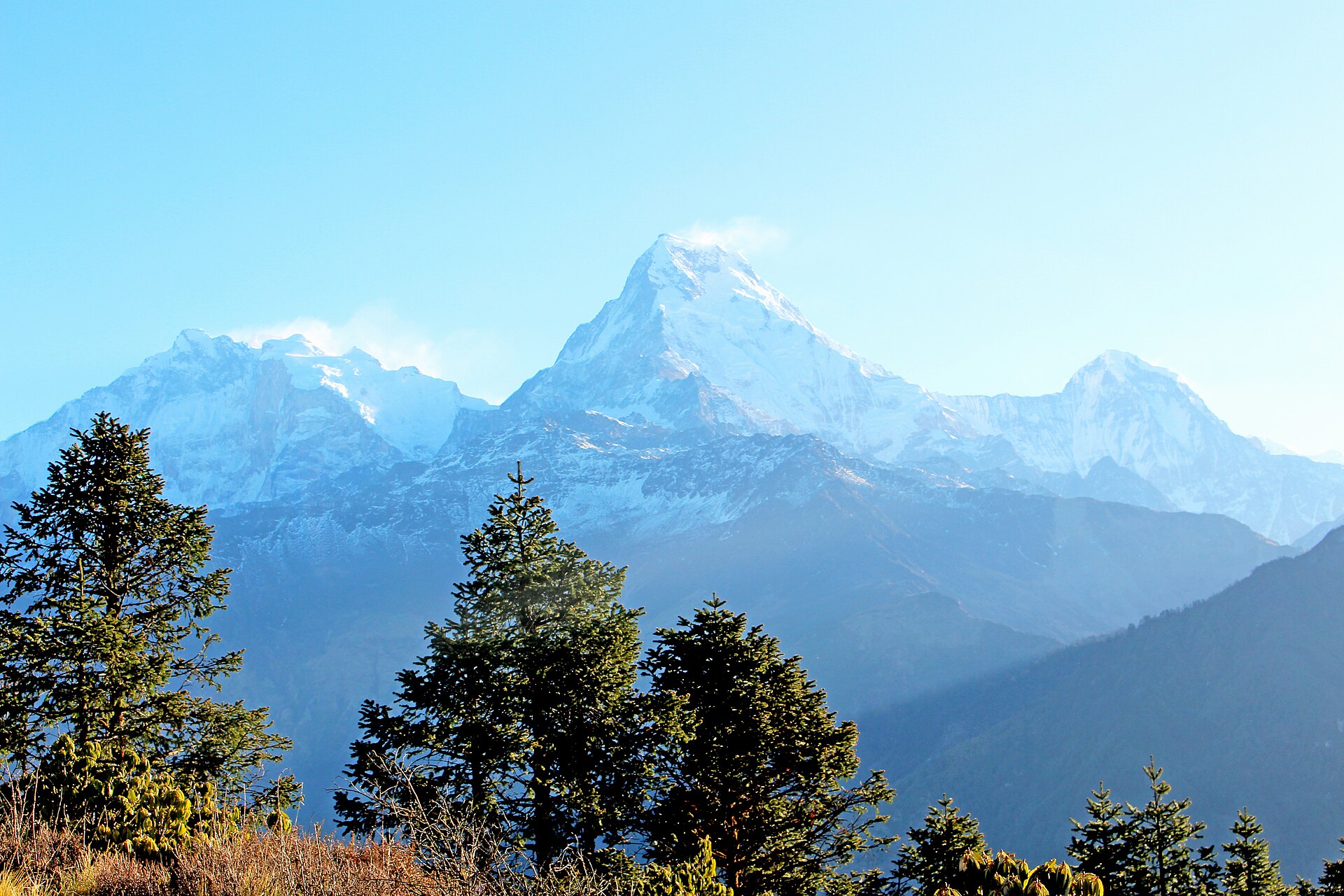
If Everest is about altitude, the Annapurna side is about variety. In seven to ten days from Pokhara you walk from rice terraces and Gurung villages like Ghandruk, through bamboo forest, into a bowl of peaks called the Annapurna Sanctuary. Base camp is at 4,130 m, with Annapurna I (8,091 m) on one wall and Machhapuchhre on the other. Two honest warnings. The stone staircases around Chhomrong, over 2,000 steps down and up again, are a knee test. And the stretch above Deurali is avalanche prone after fresh snow, so cross it early.
Poon Hill (3,210 m) is my answer for anyone with only four or five days, or with parents along. You sleep at Ghorepani, climb 45 minutes by torchlight and watch the sun come up on Dhaulagiri and Annapurna South. It will be crowded on top, but altitude troubles almost nobody here.
Langtang Valley
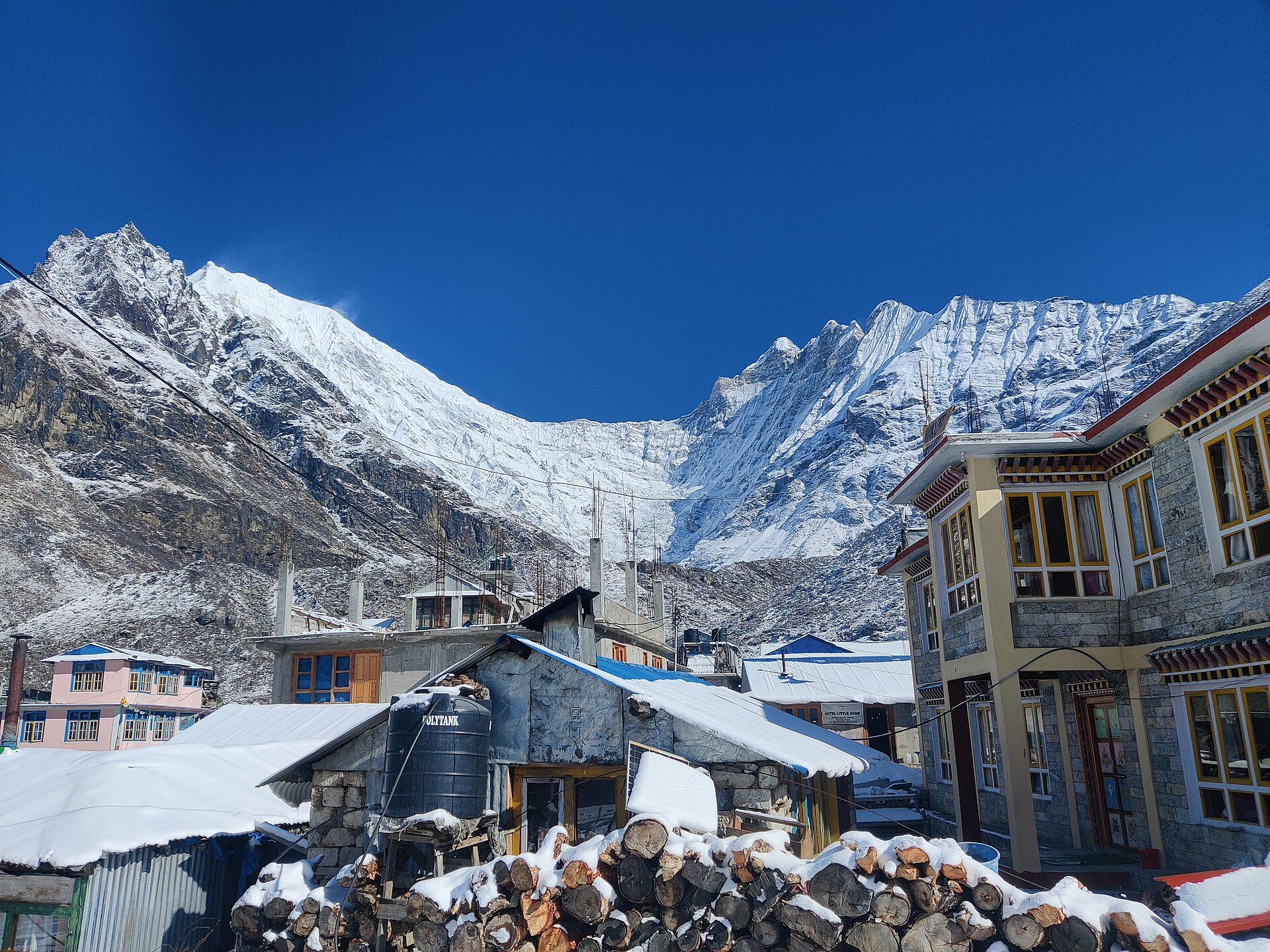
The closest big mountain trek to Kathmandu, and it needs no flight. A rough seven to eight hour drive of about 120 km gets you to Syabrubesi. Three days up the valley bring you to Kyanjin Gompa at 3,870 m, where a cheese factory set up with Swiss help in the 1950s still sells yak cheese.
Langtang carries a heavier story than the others. In the April 2015 earthquake a wall of ice and rock buried the old Langtang village, and well over 200 people died. You cross the grey rubble field to reach the new village, where the Tamang families running the lodges are the ones who came back and rebuilt. Since it depends fully on road transport, keep it furthest from the Dashain travel days.
Mardi Himal
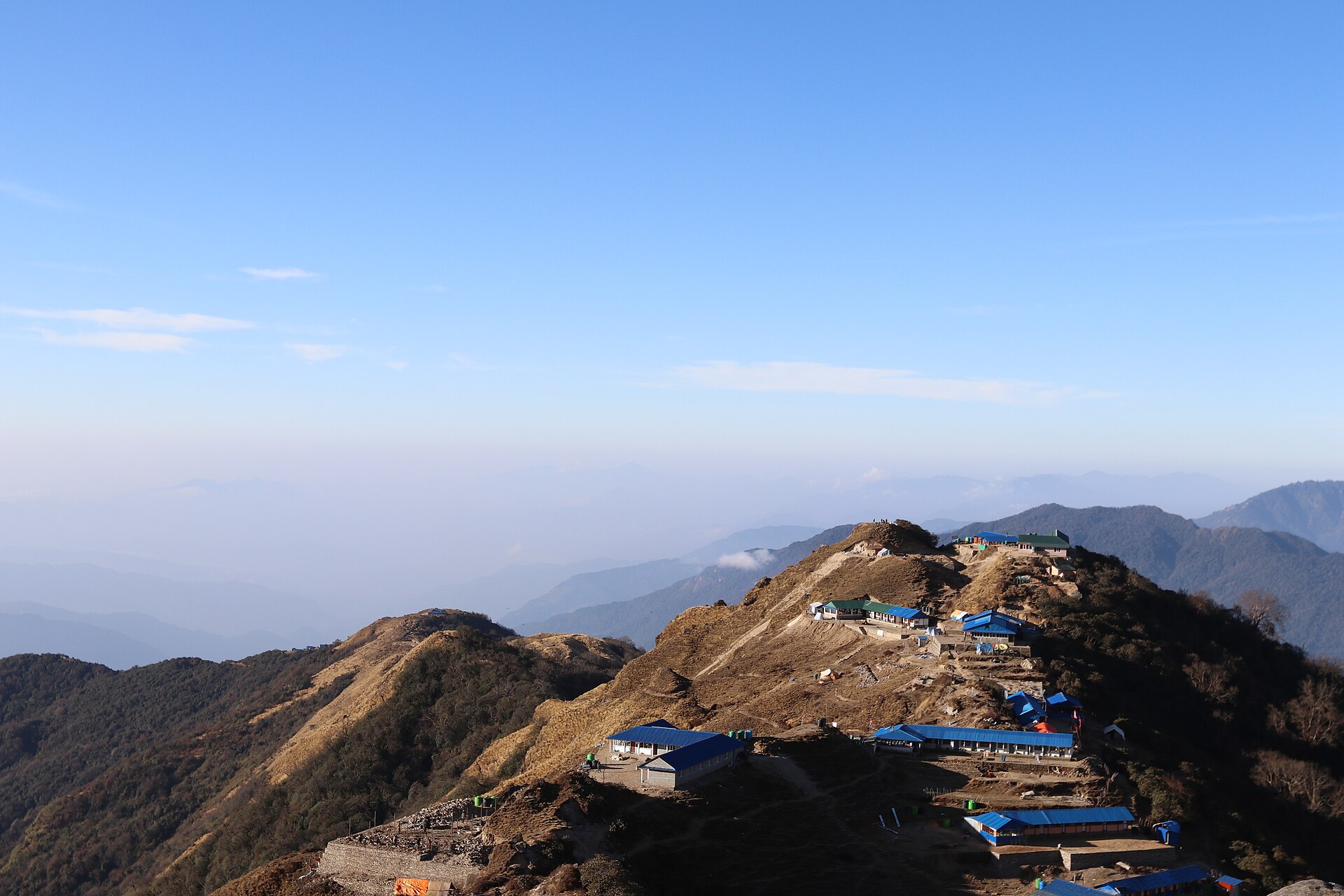
The youngest of the five, opened as a teahouse route only in 2012. It is a ridge walk of five to six days from Pokhara, up to High Camp at 3,580 m, then a pre dawn push to the base camp viewpoint at 4,500 m. Machhapuchhre feels close enough to touch.
Far fewer people come here than to Poon Hill, but High Camp runs out of rooms in the peak fortnight, so go with a guide who phones ahead. The last morning gains over 900 m and headaches are common. Turning around at the upper viewpoint is no shame.
Altitude Does Not Care About Your Fitness
Most of us come to Nepal trekking after a Kedarkantha or a Hampta Pass, the kind of routes in our guide to the best treks in India. Those top out below 4,300 m. On the Everest trail you sleep two nights near 5,000 m. Anyone who has driven into Spiti Valley and felt that thumping first night headache knows the feeling. On a trek you cannot drive down.
The rules are old and they work. Above 3,000 m, do not raise your sleeping altitude by more than 300 to 500 m a day, and rest a day for every 1,000 m gained. Headache with nausea or broken sleep means you stop going up. If it gets worse you go down, even at night. Ask your doctor about Diamox before leaving India, and at Pheriche attend the free 3 pm altitude talk at the Himalayan Rescue Association clinic.
Check your insurance wording too. Many Indian travel policies exclude trekking above 4,000 or 4,500 m, or exclude helicopter evacuation, and a rescue flight out of Khumbu costs Rs 3.5 to 5 lakh without cover.
Paperwork: Entry, Permits and the Guide Rule
Indians need no visa for Nepal, which is why it appears on every list of visa free countries for Indians. The ID rule is stricter than people assume, though. By air, only two documents work: a valid passport, or an original Voter ID card from the Election Commission. The Embassy of India in Kathmandu is clear that Aadhaar, PAN card and driving licence are not accepted, nor is a downloaded voter card printout.
Land borders follow the same rule on paper, even if checking is looser. Carry the passport anyway. Permits and insurance claims go smoother with it.
Nepal trekking permits for Indians are charged at SAARC rates, a fraction of what other foreigners pay:
- Everest region: Sagarmatha National Park NPR 1,500, plus the Khumbu Pasang Lhamu municipality card NPR 2,000, paid on the trail. No TIMS card needed.
- Annapurna Base Camp, Poon Hill, Mardi Himal: Annapurna Conservation Area permit NPR 1,000, plus TIMS NPR 1,000.
- Langtang: Langtang National Park NPR 1,500, plus TIMS NPR 1,000.
Divide by 1.6 and the whole permit bill comes to Rs 1,250 to 2,200. Counters in Kathmandu and Pokhara work 10 am to 5 pm, Sunday to Friday, and take Nepali cash only. A Nepal trekking agency can arrange everything before you land, which is exactly what you want in a festival week.
Now the biggest rule change in Nepal trekking. Since April 2023, foreign trekkers inside Nepal’s national parks and conservation areas must walk with a licensed guide hired through a registered agency. Indians get the SAARC discount on fees, but for this rule we count as foreigners, and Annapurna and Langtang checkposts enforce it.
Khumbu is the odd one out. The local municipality has not enforced the rule, so independent trekkers still walk to base camp. I would not do that on a first high altitude trek. A guide costs about Rs 1,600 to 2,500 a day, modest when split between friends.
For the record, agencies report that since March 2026 a single trekker can get a Restricted Area Permit for Manaslu or Upper Mustang, guide still mandatory. None of these five routes needs one.
Money: Which Rupees Work in Nepal
The Nepali rupee is pegged at 1.6 to one Indian rupee, so the maths is easy. The notes are the tricky part. For almost ten years after demonetisation, Nepal allowed only Indian notes of Rs 100 and below. That changed in 2026. Nepal Rastra Bank now permits Indians to carry Rs 200 and the new Rs 500 notes, up to Rs 25,000 per person in total. Rs 2,000 notes remain banned.
City shops accept Indian notes at the fixed rate. On the trail only Nepali rupees work, so change enough in Thamel or Lakeside before you start. UPI works at many Fonepay QR codes in the cities and nowhere in the mountains. Namche has the last dependable ATM on the Everest side, Pokhara on the Annapurna side.
Daily spending on the trail comes to Rs 1,800 to 2,500 in Annapurna and Langtang, and Rs 2,500 to 3,500 above Namche. Rooms are cheap, NPR 500 to 1,000, on the understanding that you eat where you sleep. Food is not: a dal bhat that costs NPR 500 near Lukla is NPR 1,000 at Gorak Shep, and a hot shower or a phone charge is NPR 300 to 600 each. Even so, Nepal remains among the cheapest countries to explore from India.
Getting There from India
The cheapest part of Nepal trekking is reaching Nepal. Delhi to Kathmandu is a flight of 1 hour 35 minutes on IndiGo, Air India or Nepal Airlines, from about Rs 7,000 one way in a normal week. Kolkata to Kathmandu takes 1 hour 15 minutes and starts near Rs 12,500. Festival weeks cost far more, because Nepalis working in India are flying home too. From Delhi, ask for a window on the left.
Overland is slower and cheaper. For the Annapurna treks use the Sunauli border, three hours from Gorakhpur, from where buses reach Pokhara in eight to nine hours for NPR 1,200 to 1,600. For Kathmandu the Raxaul to Birgunj crossing is better, eight to ten hours by bus for Rs 1,500 to 2,600. You save a few thousand rupees over flying and lose two days.
All in from Delhi, a Nepal trekking holiday costs Rs 35,000 to 50,000 for Poon Hill or Mardi Himal, Rs 50,000 to 70,000 for Annapurna Base Camp or Langtang, and Rs 95,000 to 1.4 lakh for Everest Base Camp. With spare days, our list of popular places to visit in Nepal covers Kathmandu, Pokhara and Lumbini.
Between the Tika and the Lamps
Autumn Nepal trekking is really a question of where you stand when the country goes home. Stand in a Kathmandu bus park on the eve of tika and you will curse both festivals. Stand on a ridge above Ghandruk a week later, red tika still on your guide’s forehead, the lamps of Tihar a fortnight away and the Annapurna wall lit pink, and you will see why locals call this the good season. Book around the two festivals and respect the altitude. The mountains will do the rest.