

Your Kerala holiday will work better if you leave a few places out. That sounds odd at the beginning of a destination guide, but it is the advice I would give before anybody books five hotels in five different towns.
These five places to visit in Kerala cover quite different trips: Alappuzha for backwaters, Munnar for the hills, Thekkady for forest experiences, Thrissur for culture and Kozhikode for Malabar food and coastal history. They deserve time on the ground, rather than a photograph between long drives.
I would start by choosing the part of the state that interests you most. Below is a practical way to do that, with suggested stays, booking details and the limitations worth knowing before paying a deposit. Prices are planning references, not guaranteed quotes.
Places to Visit in Kerala: Choose a Route Before a Hotel
For a first trip of six or seven days: use Kochi as your arrival point, then combine Munnar, Thekkady and Alappuzha. My suggested allocation is one night in Kochi, two in Munnar, two in Thekkady and one in Alappuzha, followed by the return journey. With only five days, drop Thekkady rather than shorten every stop.
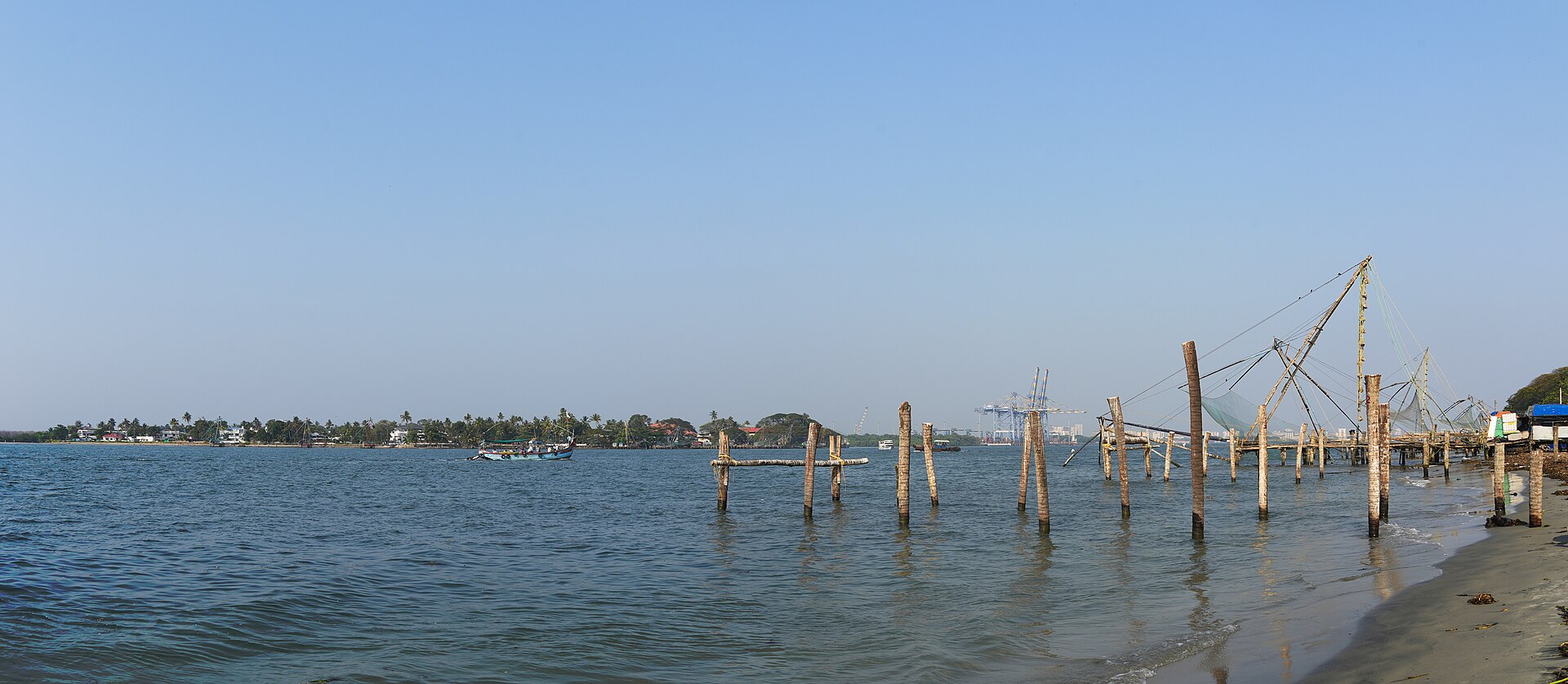
Kochi is the gateway for this route, not a sixth destination squeezed into the main list. If your flight lands late, sleep there first. Our Kochi city itinerary helps turn that arrival day into something enjoyable.
For a culture-and-food trip: spend a night in Thrissur, then allow two nights in Kozhikode. Trains suit the coastal towns; hill stations require road transfers. These are alternative routes, not instructions to cover all five places in a week.
Allow roughly three to four hours for the winding Munnar to Thekkady drive, around 90 to 100 km depending on your route. That is a planning allowance, not a promise from a map. Add time for stops and rain. I would avoid a tight flight connection immediately after any hill transfer.
Alappuzha: Buy the Right Backwater Experience
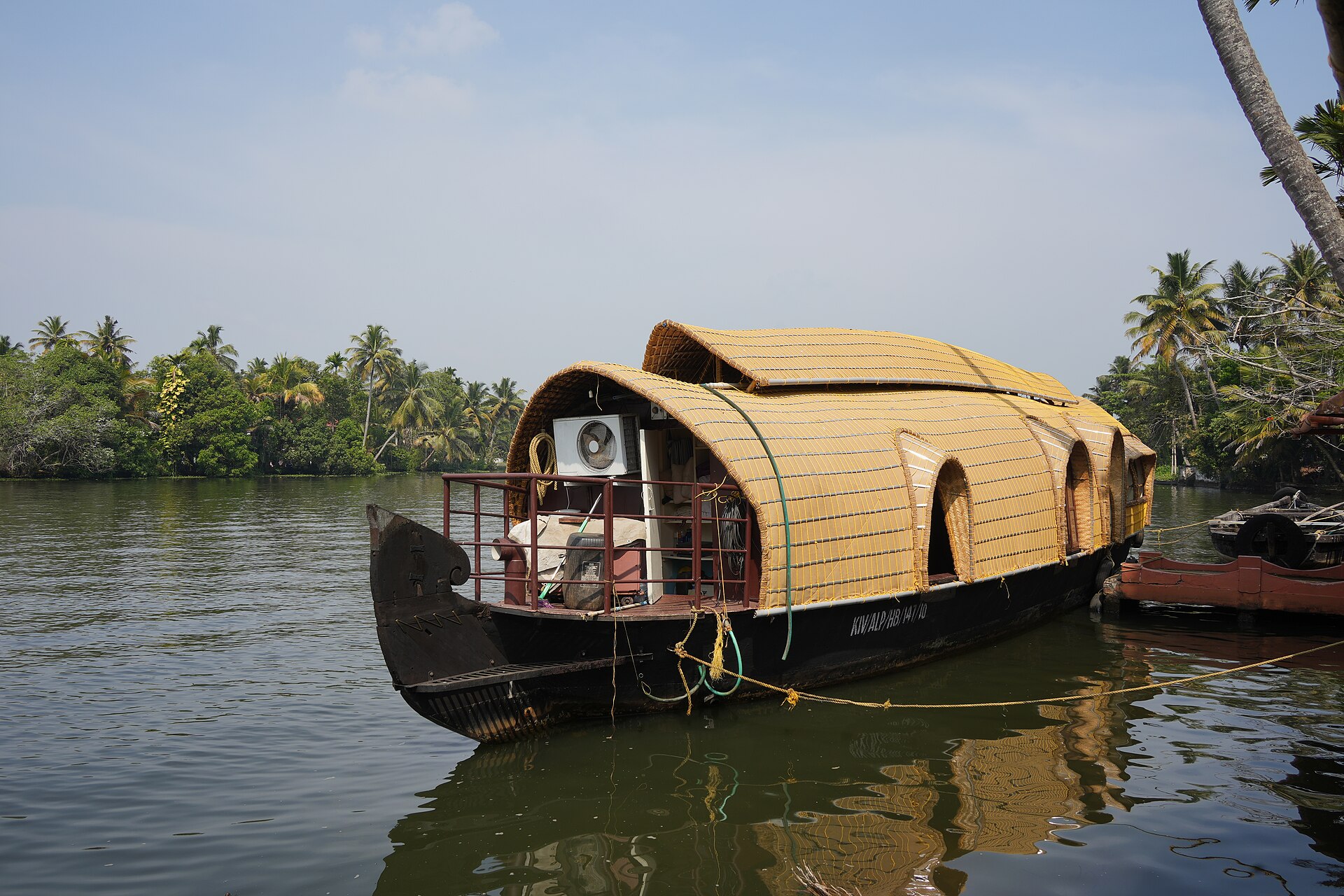
Alappuzha, also called Alleppey, earns its place for the canals and village life around the backwaters. A houseboat lets you watch the banks drift past over lunch, but it is only one way to see the water. If sleeping aboard is not important, a shorter boat trip leaves more money for the rest of Kerala.
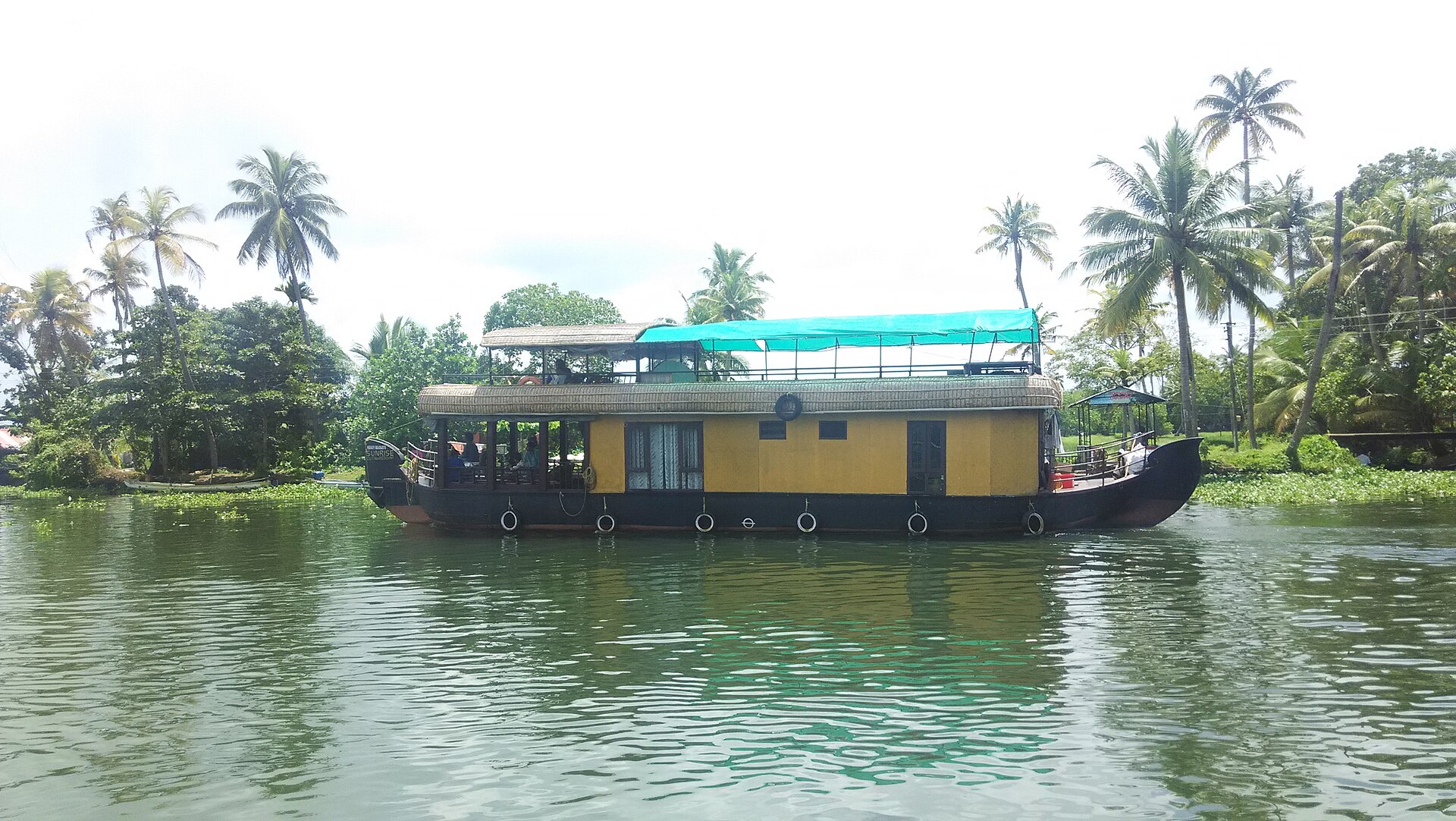
Overnight boat or a few hours afloat
The district administration’s boat-package page lists overnight check-in at noon and checkout at 9 am, with meals included. Its day cruise runs from 11.30 am to 5 pm. Crucially, an overnight booking does not mean continuous cruising: ask the operator for the moving hours and the overnight mooring location.
As a rough non-peak reference, published operator tariffs put a private one-bedroom boat at about Rs 9,500 to 12,000 for basic or premium options. Luxury boats cost more. Confirm the passenger allowance, taxes and meal inclusions; holiday quotes can be substantially higher.
Air conditioning is the easily missed detail. A cheaper category may provide bedroom AC only at night. Get its operating hours in writing, along with the exact boarding jetty, cancellation terms and photographs of the boat you are actually booking.
For a shorter outing, the district page lists shikara and motorboat options at roughly Rs 400 to 1,000 an hour, depending on capacity. Treat that as a published reference and reconfirm the current total. Ask about life jackets before boarding, especially child sizes.
Kerala Tourism’s houseboat classification scheme uses Silver Vessel, Gold Vessel and Diamond Vessel categories. Classification is separate from the operating licence. A luxury-sounding advertisement is not evidence of either.
I would give Alappuzha one or two nights. Stay near your boarding point if taking an early cruise; choose a land-based stay if evenings out matter more. Visit Alappuzha Beach towards sunset. For the Nehru Trophy race at Punnamada, check that edition’s announced date instead of assuming a fixed August Saturday.
Also Read: Top 9 Beaches in Kerala You Must Visit
Munnar: Give the Tea Country Two Nights
Munnar sits around 1,600 metres above sea level in Idukki district. It is the cooler hill stop in this Kerala route, with tea slopes outside town and winding roads between attractions. The best reason to stay two nights is simple: you get a full day without luggage in the car.
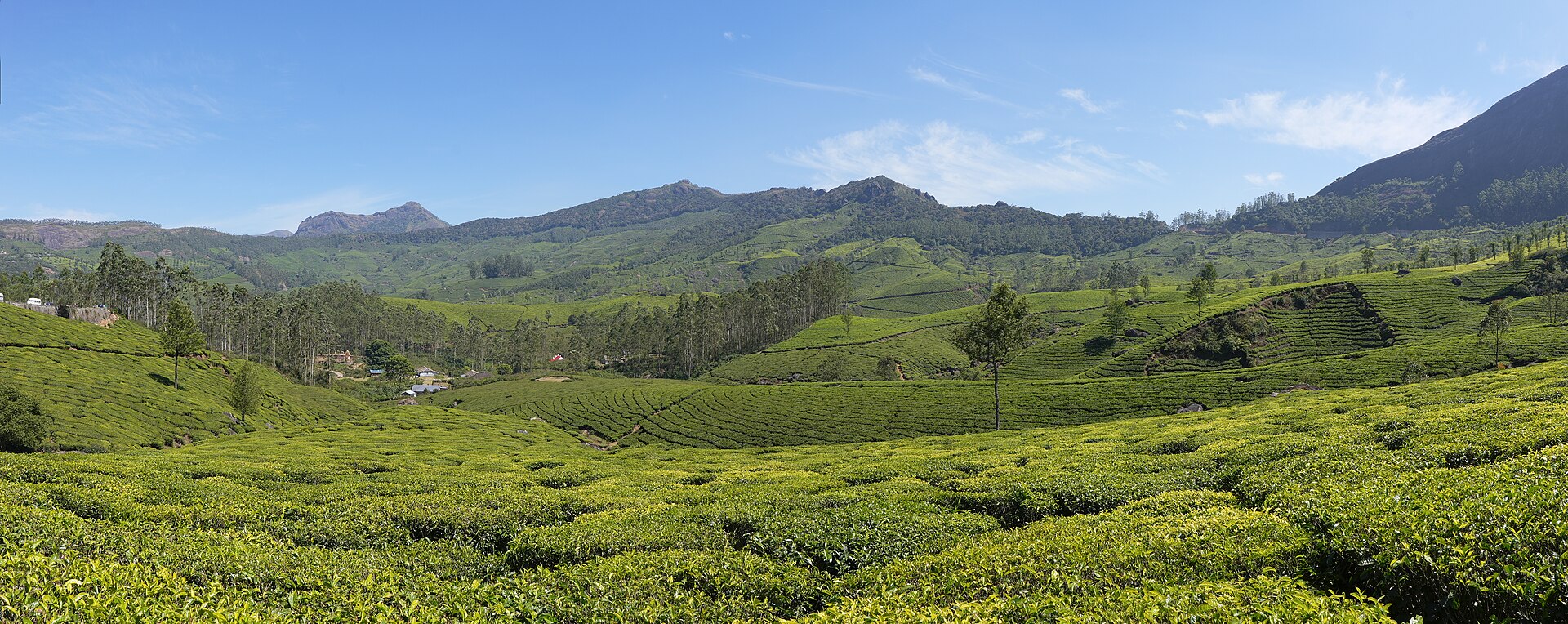
Pick one direction for that day. Mattupetty and Kundala work as a lake-and-viewpoint outing; Rajamala works for Eravikulam National Park. Trying to combine every lake, a tea visit and the park can turn the day into queues and driving.
Eravikulam’s official booking site lists Indian adult entry at Rs 200 and foreign-national entry at Rs 500, with additional charges for some services. Check the booking total. The tourism area is about 13 km from Munnar town, and wildlife sightings are never guaranteed.
The park normally closes during February and March for the Nilgiri tahr calving season; confirm the exact reopening notice before planning around it. Entry to the tourism area is not permission to roam into the wider protected landscape or climb Anamudi. Follow the marked visitor route.
For tea, choose a plantation or factory that explicitly admits visitors. Working estates are private workplaces, not open photo sets. A room advertised as being in Munnar can also be well outside town. Check its map location against the attractions you want, and ask about the approach road and dinner availability.
Cochin airport is roughly 120 km from Munnar according to Kerala Tourism. I would keep a generous half-day for that transfer, including stops, rather than promise a quick climb into the hills. Read our dedicated Munnar guide before choosing your base.
Thekkady: Plan Around the Forest Booking
Thekkady is the visitor gateway to Periyar, with accommodation and services around Kumily. This is a good stop for travellers who enjoy slow observation. I would not sell it to anyone as a guaranteed tiger sighting, or as a drive-through safari where wildlife appears on demand.
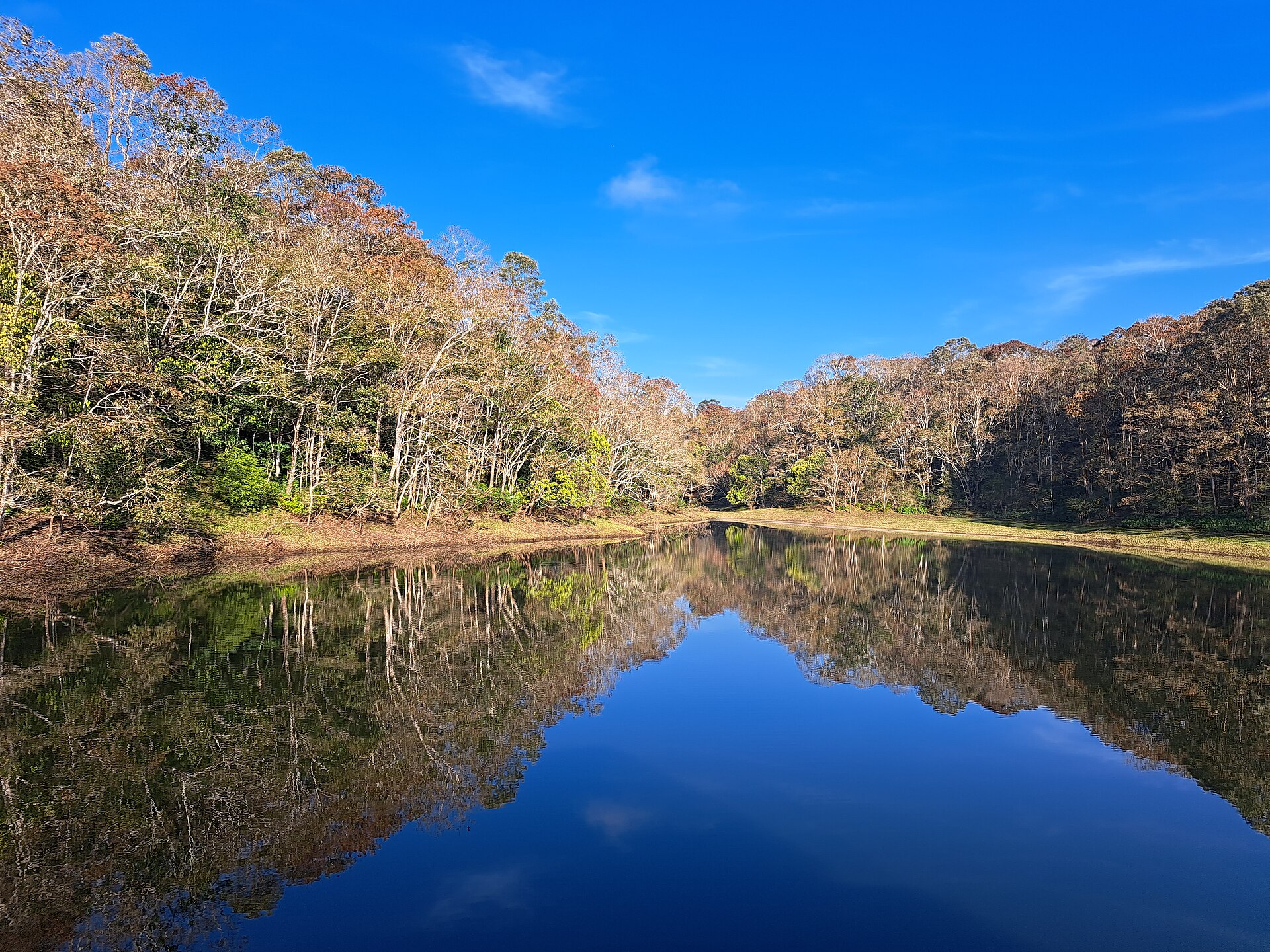
Periyar Tiger Reserve covers 925 square kilometres. The 350-square-kilometre national park is within the wider protected area; those figures describe different boundaries. For a visitor, the important decision is the activity: a lake boat ride, a guided walk or a longer programme suitable for your fitness.
The reserve’s official boating page lists a 90-minute trip at Rs 255 for adults and Rs 85 for children. Park entry and bus charges are extra. Available departures and the final payable amount should be checked on the booking screen.
There is a transfer before you reach the boat. Private vehicles stop at Anavachal, about 4 km from the landing, and visitors continue in reserve buses. The instructions require reporting at the parking-area ticket counter one hour before departure and at the boat landing 30 minutes before departure. Carry the same ID used for booking.
Life jackets are compulsory, and standing during the ride is prohibited. Book an activity first, then fit the travel day around it. A late arrival followed by an early departure gives very little room for cancellations or missed slots.
Two nights is my preference for this part of Kerala. Stay near Kumily if restaurants and easy transport matter; more isolated properties require greater dependence on your driver. A spice-garden visit can fill a free afternoon, but ask what the tour includes before paying. Our Periyar guide provides more background on the forest.
Thrissur: Leave Room for a Palace and an Unhurried Evening
Thrissur is a better choice for someone interested in Kerala’s cultural life than for someone collecting viewpoints. Start around the central Thekkinkadu Maidan and Vadakkunnathan Temple area, then build the rest of the day around the museum and city streets.
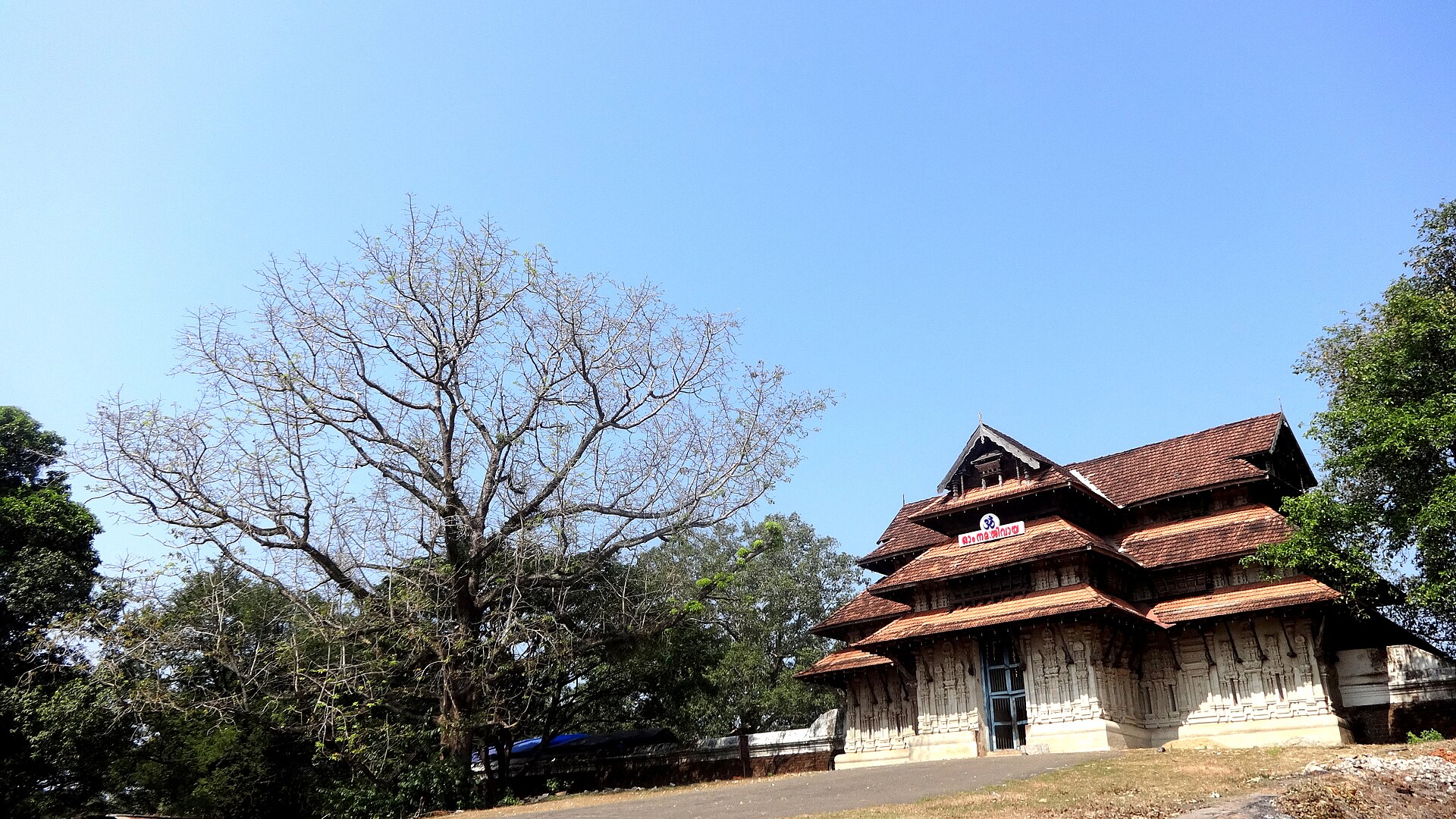
Shakthan Thampuran Palace gives the visit a useful historical centre. Its galleries include bronzes, sculpture and inscriptions connected with the former Kochi kingdom. Kerala Tourism lists museum hours of 9.30 am to 4.30 pm and a Monday closure. Reconfirm opening before travelling specifically for the museum.
Check temple admission and dress requirements locally before entering. The public space around a temple and its inner precincts are different places, so do not assume that access to one gives access to the other. Ask before photographing rituals or worshippers.
Thrissur Pooram is normally held in April or May, with percussion, parasol exchanges and large crowds. It is a separate kind of trip from an ordinary city break. Book accommodation around the announced programme, and think honestly about heat, noise and the comfort of children or older relatives.
One night is enough for an introductory city visit in my suggested route. A hotel around the centre or railway station is practical for onward travel. Do not automatically add distant waterfalls to the same day: a relaxed cultural stop can easily disappear behind another long transfer.
Kozhikode: Make Food Part of the Itinerary
Kozhikode, also known as Calicut, belongs in a northern Kerala trip. It is worth two nights if you enjoy eating your way through a city and exploring its trading history. Adding it as a rushed detour from Munnar is much harder to justify.
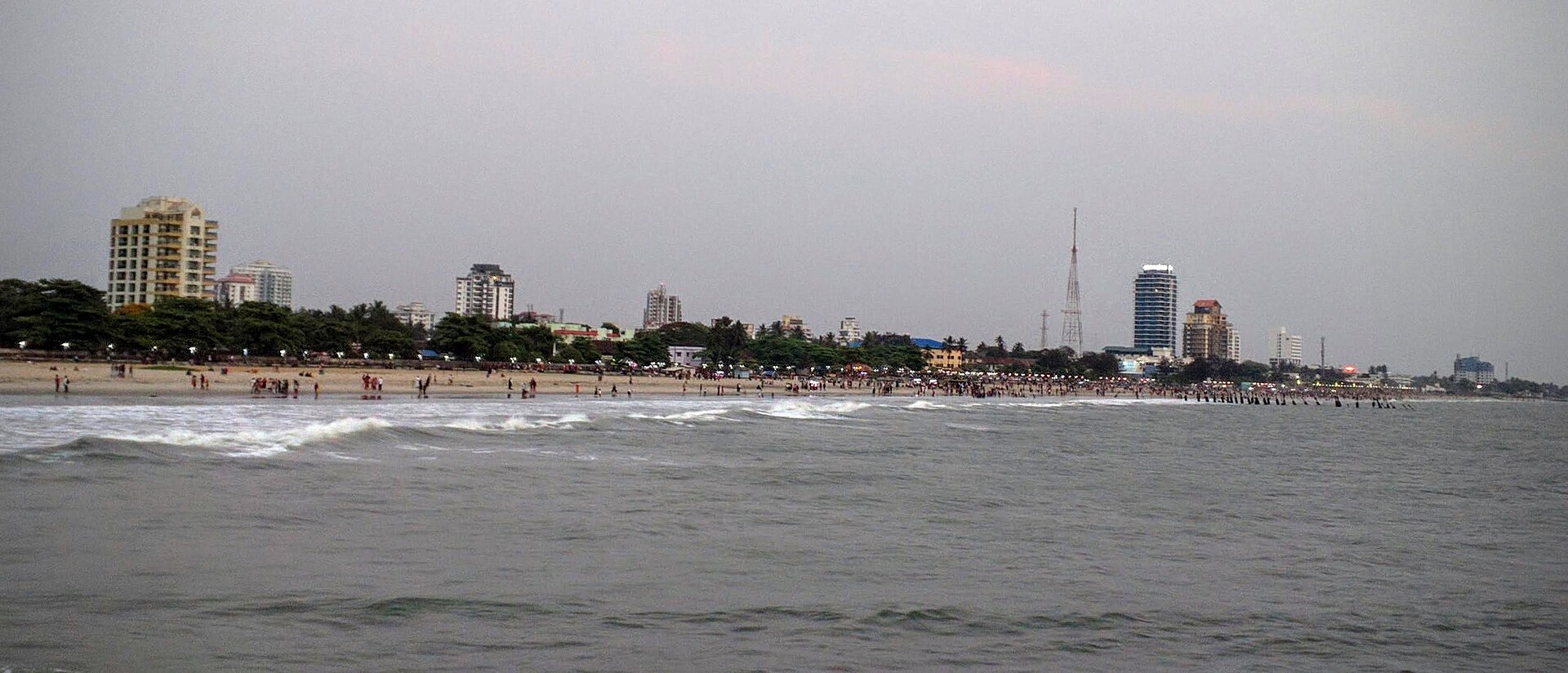
Keep a first afternoon for Mananchira, the market streets around SM Street and the beach towards evening. On another day, choose between Beypore’s maritime heritage and Kappad to the north. I would not combine both with a long list of waterfalls simply because their names appear in the same district guide.
Beypore is associated with wooden uru boat-building and longstanding Indian Ocean trade. Workshops are working spaces: ask permission rather than walking in expecting a staged demonstration. Kappad is traditionally associated with Vasco da Gama’s arrival in 1498. The region already had an established spice trade; his arrival did not introduce or discover spice cultivation.
Kozhikode is also recognised by UNESCO as a Creative City of Literature. That gives the city another reason to linger beyond the beach, particularly if a literary event overlaps your dates.
Make space for Malabar biryani, pathiri and a small halwa purchase rather than a suitcase-sized impulse buy. Ask about ingredients if you avoid meat or have dietary restrictions. For an inland extension, read our Wayanad travel guide and give it extra nights of its own.
When to Go, and What to Pack for Two Climates
December to February is my preferred starting point for a first Kerala trip across the coast and hills. Kerala Tourism describes these as the more pleasant months, but the coast is still tropical. Its general coastal and midland temperature range is about 25 to 36 degrees Celsius across the year, not a cool-weather guarantee.
March to May brings hotter, more humid conditions on the coast. Plan outdoor city walks early or late, and check air conditioning before booking a boat or room. Munnar offers a cooler setting, but altitude does not make midday sun harmless.
June to September needs a flexible itinerary for the southwest monsoon. Rain can affect hill roads, walking routes and boat operations. October and November can also be wet during the northeast monsoon. I would not choose a tightly packed monsoon road trip for a first visit with limited leave.
Pack light clothes for the coast, a warm layer for Munnar evenings and a waterproof outer layer. High-range winter temperatures can occasionally fall close to freezing, so check the forecast for your property’s location. Grippy shoes, mosquito repellent and a dry pouch for your phone are more useful than extra dress shoes.
Food, Beds and the Costs Worth Checking First
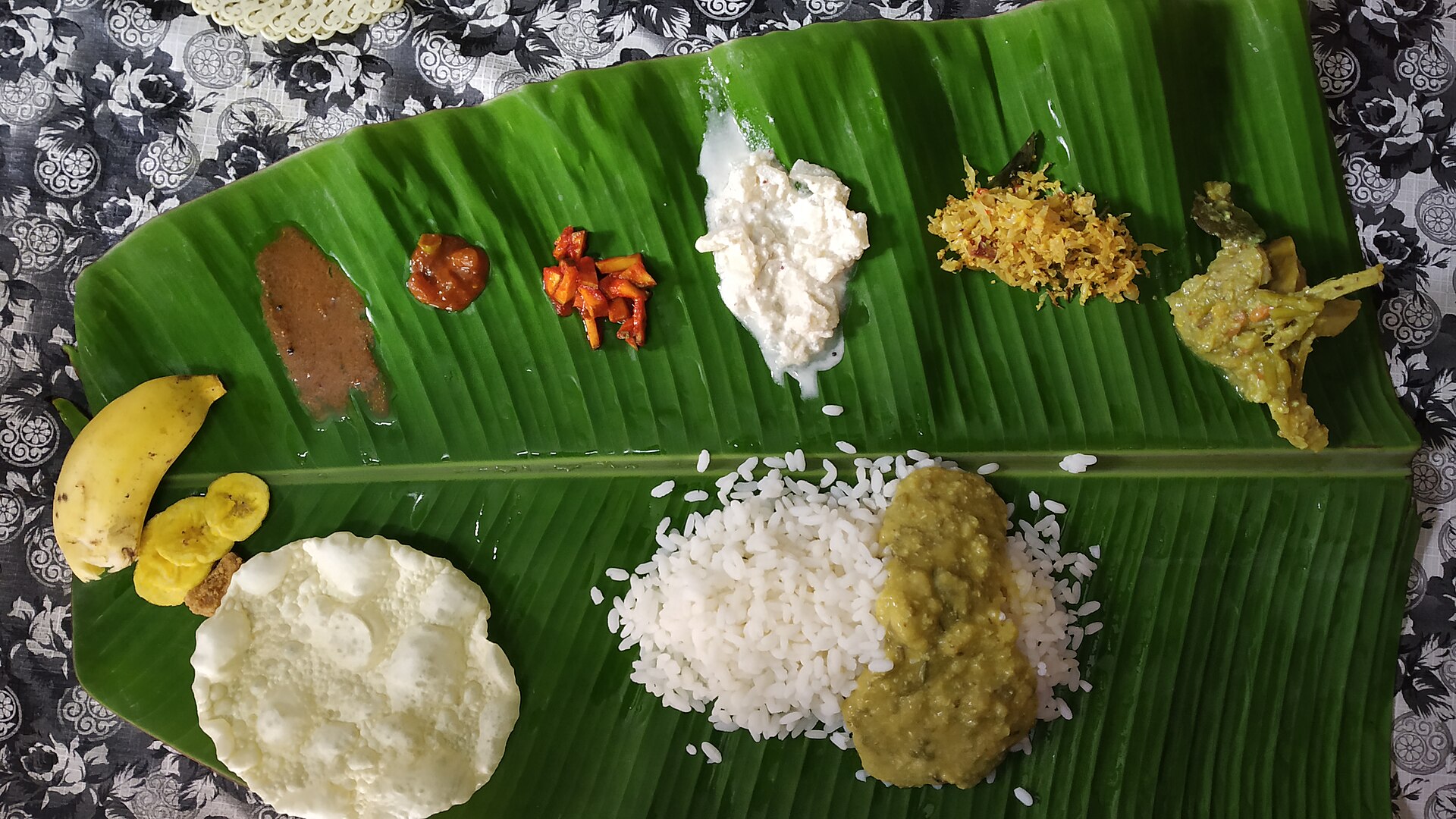
Kerala food deserves room in the plan. Try puttu with kadala curry for breakfast, appam with a suitable stew, and a vegetarian sadya when available. A sadya is a meal with multiple dishes, traditionally served on a banana leaf, rather than one particular curry. Our Kerala food guide is a starting point for the menu.
For budgeting, separate the room, intercity transport, meals and paid activities. The houseboat is often the conspicuous single expense: the Rs 9,500 to 12,000 reference above is for a boat booking, not a per-person hotel night. Compare that with a land stay and a shorter cruise before deciding.
I would request three room quotes for the exact dates instead of trusting a statewide average. Ask each property about breakfast, taxes, parking and access. In Munnar, a cheap room far from your chosen route can cost more once extra driving is included.
For a hired car, get the daily kilometre allowance, extra-kilometre charge, driver allowance, tolls and parking terms in writing. Rail travel works well between the coastal cities; Munnar and Thekkady need a road leg. Compare the whole journey, not just the flight fare into the cheapest airport.
- Keep cash for small vendors and local transport. Use town ATMs before a remote stay; do not rely entirely on mobile payments.
- Download tickets and maps before leaving town. Ask the hotel about the network you use and whether its Wi-Fi reaches the rooms.
- Carry photo ID for accommodation and booked forest activities. Check activity-specific conditions before paying.
- Keep arrival and departure days light. Add a buffer before flights rather than expecting every road journey to run to schedule.
For a first holiday, I would choose the tea hills, a forest morning and a backwater afternoon, then stop adding places. Thrissur and Kozhikode can anchor another Kerala journey. You will get more from a place when there is enough time to sit down for lunch without watching the driver check his watch.