

Planning a trip to Trimbakeshwar gives a unique spiritual experience that combines devotion, history, and breathtaking views for any vacationer. If you are a true devotee of Lord Shiva, visiting the 12 Jyotirlingas should likely be at the top of your travel bucket list. Of the 12 holy Jyotirlingas, Trimbakeshwar Temple is one of the most significant pilgrimage sites in India after Kedarnath, which is situated near Nashik in Maharashtra. The temple provides a tranquil heaven for both devotees and tourists, surrounded by the serene Brahmagiri hills and lush greenery.
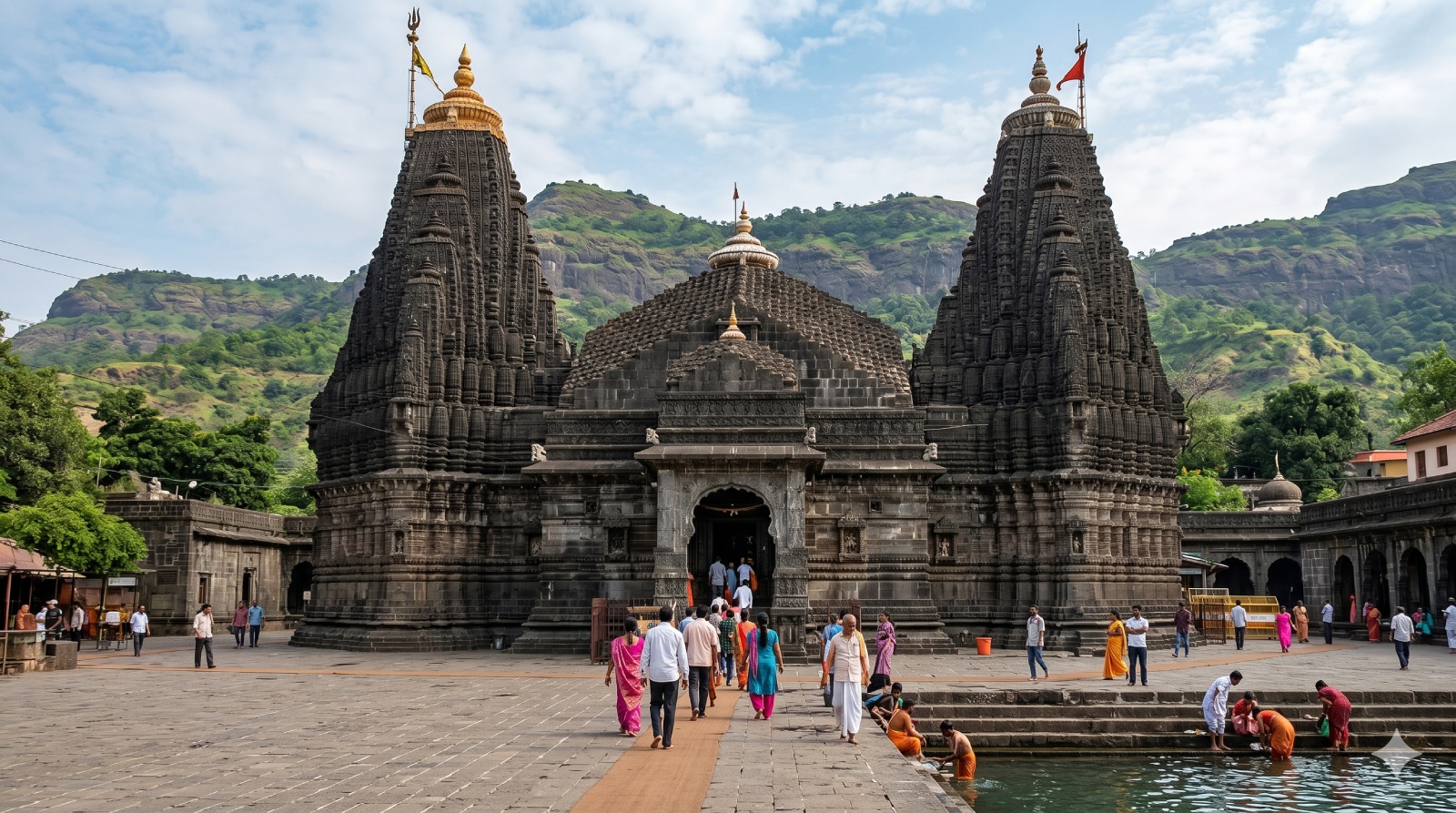
This place is also the origin of the sacred Godavari River, which adds religious significance to your vacation. This blog will help you organise the ideal trip to Trimbakeshwar, whether you are planning a spiritual retreat or a quick escape from Mumbai or Pune.
History of Trimbakeshwar Temple
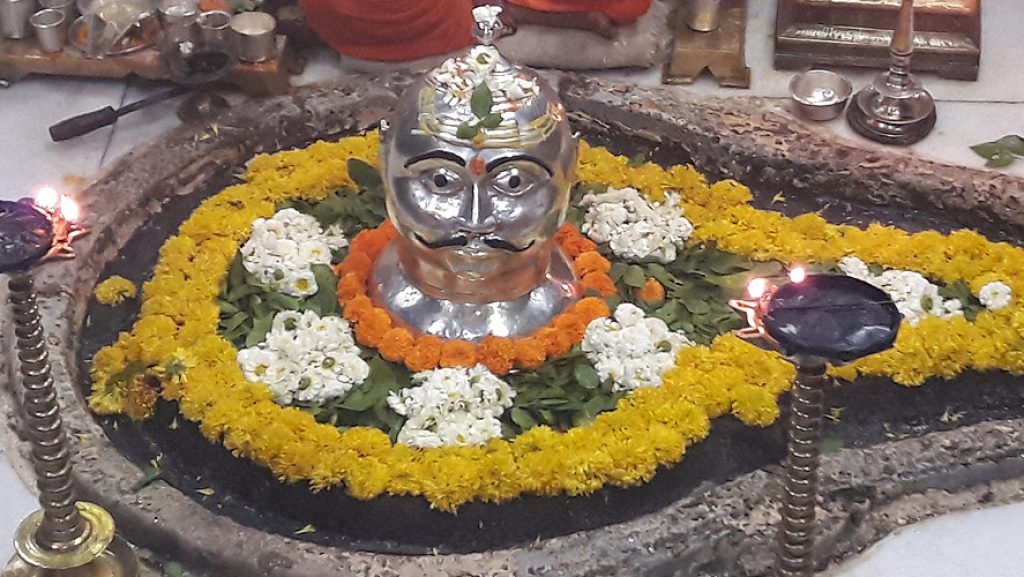
Trimbakeshwar’s history is deeply rooted in Hindu mythology and covers countless centuries. The Trimbakeshwar Jyotirlinga has three faces, which sets it apart from other Jyotirlingas. The Hindu divine trinity is represented by these faces: Lord Rudra (Shiva, the Destroyer), Lord Vishnu (the Preserver), and Lord Brahma (the Creator). A golden mask of the Trideva is put over the lingam, which is covered with a jewelled crown that is connected with the Pandavas.
Mythology and other gurus say that Sage Gautama performed heavy meditation here to bring the Ganga River to earth, which subsequently became the Godavari River. A trip to Trimbakeshwar is both meaningful and revealing because of the temple’s spiritual aura and mythological origins.
Architecture Marvel
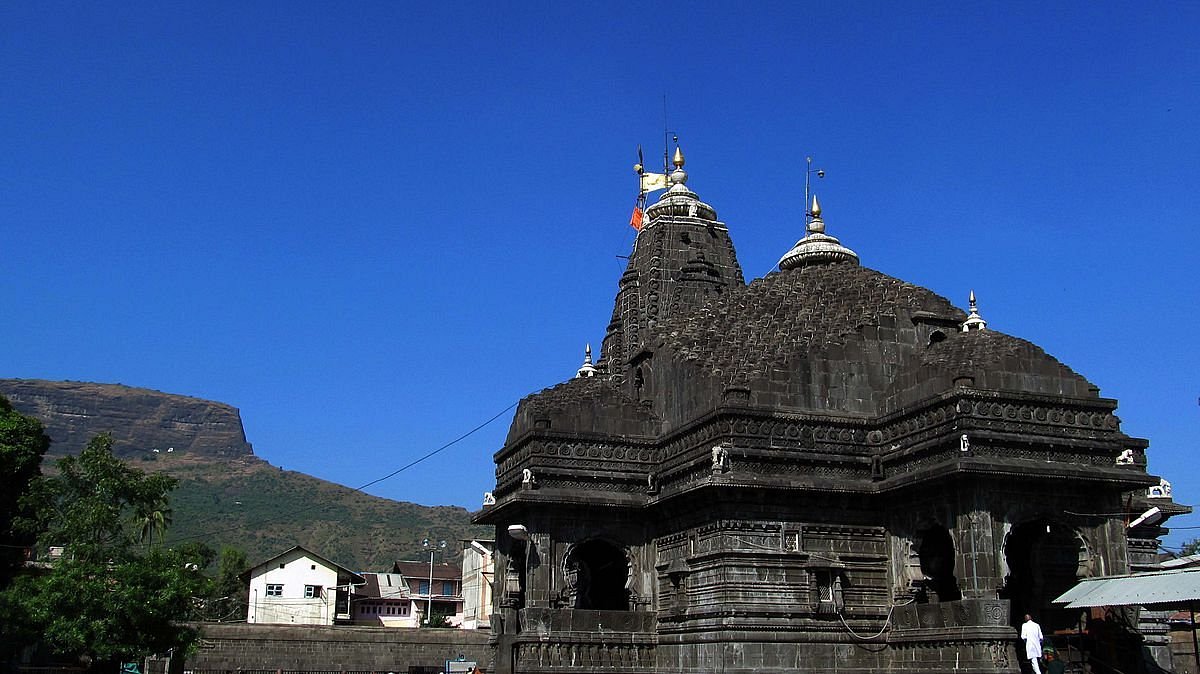
During your trip to Trimbakeshwar, you will be amazed by the architectural history. The current temple was built in the 18th century by Peshwa Balaji Baji Rao, also known as Nana Saheb, using traditional black stone architecture from that time period. It is a stunning example of Maratha and Hemadpanti architectural styles, constructed using black basalt stone. The temple features intricate carvings, mythological motifs, a grand shikhara (spire), and a large mandapa (hall). A striking black stone statue of Nandi, Lord Shiva’s mount, guards the entrance.
Also Read: Divine Tour of Kedarnath Dham: An Eternal Hindu Pilgrimage Site of India
Darshan Timings and Temple Rituals
Trimbakeshwar is famous for unique pujas such as Narayan Nagbali Puja, Kaal Sarp Dosh Puja, and Mahamrityunjaya Jaap. Devotees often plan their trip to Trimbakeshwar specifically to perform these rituals.
Temple Timings
Opening Time: 5:30 AM
Closing Time: 9:00 PM
Aarti Timings
Morning Aarti: Around 5:30 AM
Afternoon Pooja: 1:00 PM
Evening Aarti: 7:00 PM
Places to Visit Near Trimbakeshwar
Brahmagiri Hills
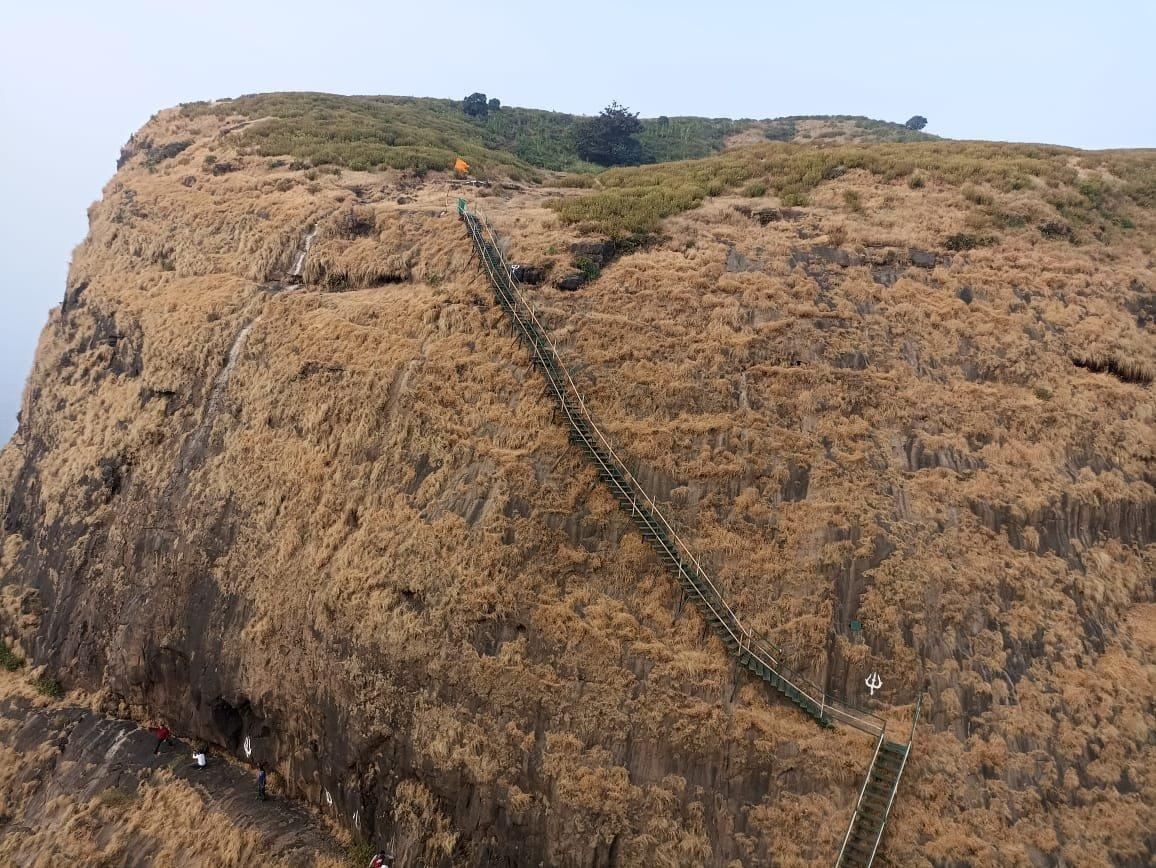
The Brahmagiri Hills are sacred mountains located around 3 km from the Trimbakeshwar Bus Station. Popular for the origin of the Godavari River, they offer a great trekking spot for nature lovers. It is reached via about 750 concrete stairs and is frequently referred to as a hard but worthwhile trek close to Nashik.
Gangadwar
Don’t forget to visit Gangadwar, a serene and picturesque spiritual location in the stunning Brahmagiri Hills, during your trip to Trimbakeshwar. One of the biggest attractions of Gangadwar is the “Godavari Udgam Sthan,” which is said to be the sacred source of the Godavari River. Watching the water flow from the hills, surrounded by old stone monuments, creates an overwhelming spiritual aura. It is one of those locations where devotion, nature, and legend all blend flawlessly.
108 Swayambhu Shiv Lingas.
Gangadwar also houses 108 Swayambhu Shiv Lingas, naturally formed Shiva Lingas that hold immense devotional significance to Shiva devotees. The entire place radiates calmness, majesty, and spirituality.
Gorakhnath Temple
Another significant site here is the old Gorakhnath Temple, which is affiliated with the Nath religious group. Surrounded by hills and cold mountain air, the temple provides a calm escape from the overcrowded temple streets.
Kushavarta Kund
If you are visiting the Trimbakeshwar Jyotirlinga Temple, Kushavarta Kund is considered the spiritual core of the journey. Kushavarta Kund is thought to be the sacred origin of the Godavari River. According to Hindu legend, here is where the holy river first appeared on Earth, making it one of Trimbakeshwar’s most spiritually significant landmarks.
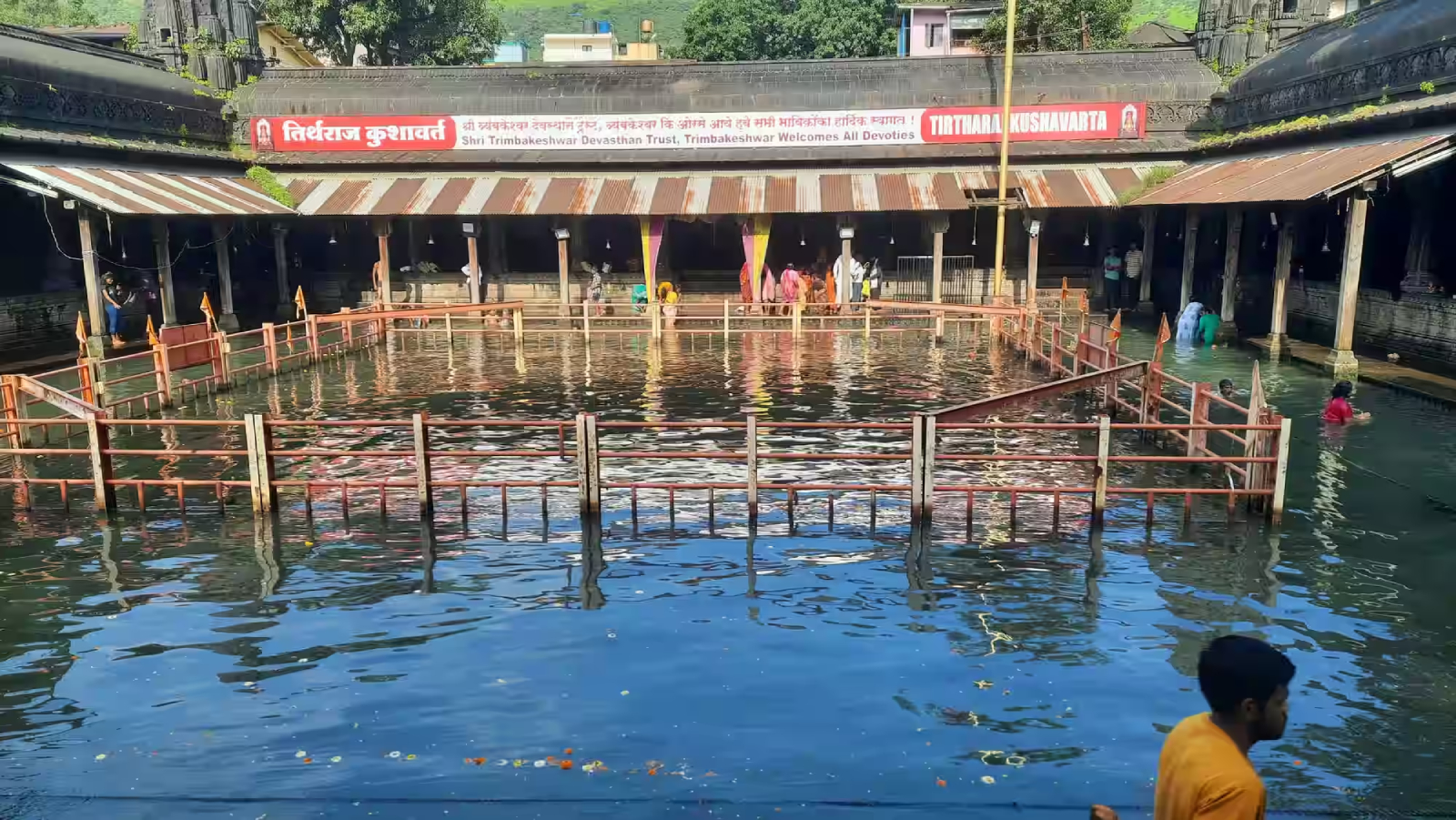
Many devotees begin their Trimbakeshwar trip by taking a holy bath in the kund before reaching the Jyotirlinga shrine. Bathing in the holy waters is said to remove sins and offer spiritual serenity. The environment surrounding the kund is serene, holy, and intimately related to old customs. Priests performing ceremonies, followers making prayers, and the sound of temple bells combine to create a divine aura.
Anjaneri Hills
This is where Mata Anjani gave birth to Lord Hanuman, according to Hindu belief. The hill has significant religious significance and draws a large number of devotees all year round. After trekking to the top, you will discover the Hanuman temple from ancient times.
Small shrines and caves. This is a calm place to meditate, surrounded by the natural world.
How to Reach Trimbakeshwar
By Air
Nashik (Ozar) Airport (ISK), which is roughly 50 to 56 km away, is the closest airport to Trimbakeshwar Shiva Temple. Many people prefer the Chhatrapati Shivaji Maharaj International Airport (BOM) in Mumbai, which is around 170 – 180 km away (4 – 5 hours by road), because there aren’t many flights at Nashik. From there, you can hire a cab or take a bus.
By Train
The well-connected Nashik Road Railway Station (NK) is roughly 30 to 40 km away. It is well-connected to major cities like Mumbai, Pune, and Delhi. From the station, local taxis and buses are easily available.
By Road
Triambakeshwar is well-connected by road. You can easily plan a road trip, especially for people who reside near Pune, Nashik, or Central Maharashtra. If you really love bike riding, you must go by road, as the Brahmagiri Hills’ breathtaking scenery is the main attraction of a road trip from Nashik to Trimbakeshwar.
The distance from Mumbai to Trimbakeshwar is 170 km
The distance from Pune to Trimbakeshwar is 240 km
The distance from Nashik to Trimbakeshwar is 30 km
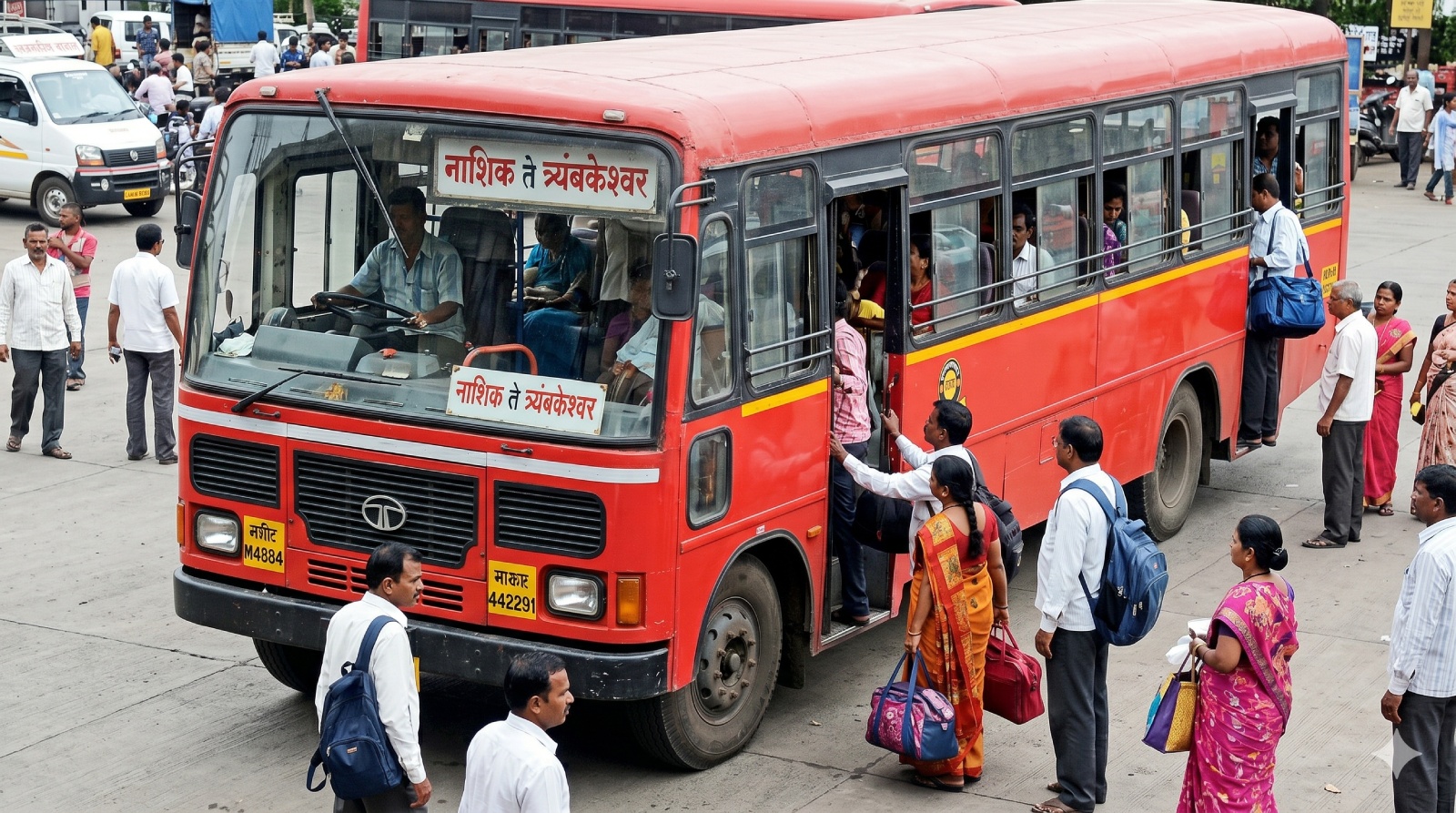
Note: Regular MSRTC buses and private taxis are available, making your trip to Trimbakeshwar smooth and convenient.
- From Nashik (CBS-2): Several MSRTC Ordinary Express buses run every 30 minutes between 5:00 AM and 10:00 PM, taking approximately an hour to get there.
- From Pune: There are daily buses that take about six hours to get there. Early morning departures (1:00 AM) and midday departures (17:15) are available.
- From Mumbai/Thane: Daily services (including Lalpari/Ordinary) depart in the morning from locations including Borivali.
- From Shirdi: A direct MSRTC bus typically departs around 11:30 AM, taking about 3 hours and 45 minutes.
Online Booking: You can check the official MSRTC website for buying tickets and other information.
Travel Type: Although there may be some Shivshahi (AC) alternatives, the majority are Ordinary/Lalpari (Non-AC).
Also Read: Top 5 Places To Visit In Maharashtra
Best Time for a Trip to Trimbakeshwar
October to March is the best time because of the comfortable weather. July to September is the monsoon season, which brings greenery and scenic beauty but significant rains. April to June is the summer season, which can be hot but is still tolerable for darshan. If you want a comfortable and peaceful trip to Trimbakeshwar, winter is the ideal season.
Where to Stay
Trimbakeshwar offers a range of accommodation options. You can check budget lodges and dharamshalas near the temple. Some of the free dharamshalas near the temple I am mentioning are located approx. 270 to 500 meters from the temple location. Trimbakeshwar Bhakta Niwas, Gajanan Maharaj Bhakt Niwas, Maheshwari Bhakt Niwas, and Shree Gagangiri Maharaj Ashram offer clean rooms, hot water, and basic facilities.
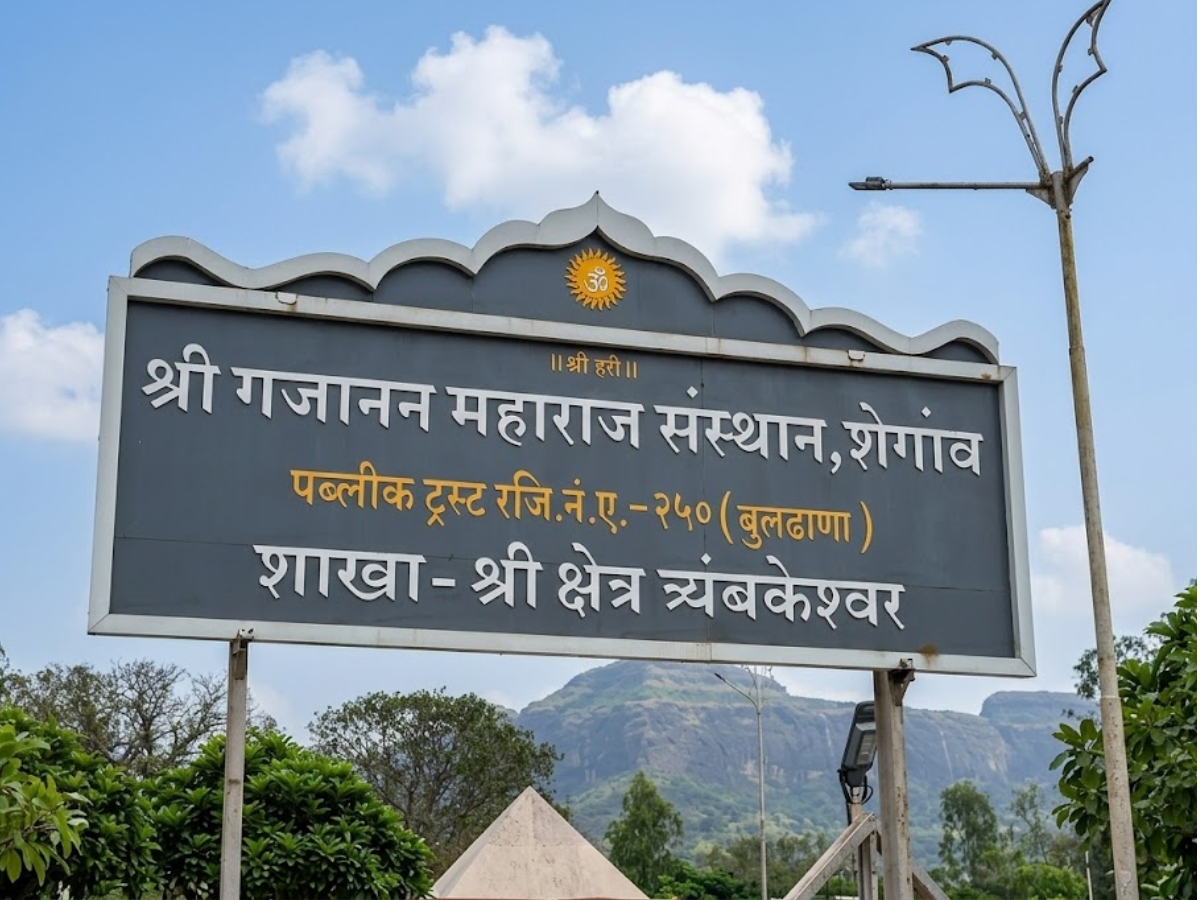
From my travel experience, it’s best to pre-book your stay during peak seasons like the Sawan month. However, if you arrive early, you can explore the temple market area, where you’ll find many budget-friendly accommodation options. These include hourly stays, places to safely keep your essentials, and dormitories available for around Rupees 500, which is ideal if you’re visiting only for darshan.
Food and Local Cuisine
You will find simple vegetarian food near the temple area. Popular options include Maharashtrian thali, Poha, and Upma; South Indian dishes; and street food like Vada Pav. Food is affordable and easily available, making your trip to Trimbakeshwar hassle-free.
Inside the temple of Trimbakeshwar, Prasad is provided. Bring water and small snacks if you intend to remain for a long period.
Indiaimagine has suggested a small itinerary for its readers from Nashik for a trip to Trimbakeshwar. We hope this helps.
Day 1 – Arrive in Nashik, travel to Trimbakeshwar, have evening darshan, and enjoy local hopping.
Day 2 – Attend morning aarti and see the temple premises, and snap pictures outside the temple with historical architecture. After that, you can visit Brahmagiri Hills & Kushavarta Kund. Finally, you can shop with locals and return to Nashik with good memories. This simple itinerary ensures you make the most of your trip to Trimbakeshwar.
Also Read: Visit Karjat: Hidden Retreat For Nature Lovers at Maharashtra
Travel Advice Before Planning a Trip To Trimbakeshwar
- To avoid the crowds, go early in the morning and stay near the temple premises.
- Wear traditional and modest clothing for temple entry.
- Avoid weekends and festivals for fewer crowds
- Book accommodation in advance during peak season
- Carry cash, as small vendors may not accept digital payments.
- If you intend to take a holy bath in Kushavarta Kund, bring a spare set of clothes.
- If you are visiting in March – April, bring Umerallas, caps, keep yourself hydrated, and try to wear summer clothes.
- The location gets incredibly lively and religious during Sawan and Mahashivratri, so expect to stand in long queues.
- There are a few assistants and guides available. They can assist you with specific pujas like Rudrabhishek or inform you where to go.
Final Words
A trip to Trimbakeshwar is more than just visiting a temple; it’s about experiencing spirituality, history, and nature all in one place. From sacred rituals and ancient legends to peaceful surroundings and scenic beauty, this destination offers something for every traveler. You’re seeking divine blessings or a calm escape from daily life, Trimbakeshwar is a place that leaves a lasting impression on your heart and soul. Plan your journey wisely, and let this sacred destination give you an unforgettable experience.