

India is not a country you simply visit – it is a country you feel. It arrives all at once: the scent of cardamom and incense, the blare of rickshaw horns, the flash of a thousand saris in a market lane, the hush of a marble mausoleum at dawn. Few destinations on earth pack this much variety inside a single border. In one trip you can float past palm-fringed backwaters, trek Himalayan passes above 5,000 metres, watch fire-lit prayer ceremonies on the Ganges, and sleep in a palace that once belonged to a maharaja.
And the world has clearly caught on. Nearly ten million international travelers visited India in 2024, and arrivals in 2025 climbed even faster – proof that India’s post-pandemic comeback is in full swing. Rajasthan remains the firm favorite among foreign visitors, while a new generation of travelers is heading further out, to Ladakh’s lunar valleys, Sikkim’s monasteries, and Meghalaya’s living root bridges.
This guide to the best places to visit in India was written specifically for travelers who have never set foot in the country. For each of the 20 tourist destinations below, you’ll find an honest description, the top things to do, the best time to visit, how to get there, how long to stay, and hard-won tips that make the difference between a good trip and a great one. But first, the practical stuff – because a little preparation goes a very long way in India.
India Travel Essentials: Visa, Money, Transport & Etiquette
The e-Visa is easy. Citizens of more than 180 countries can apply online for an Indian e-Tourist Visa before arrival – no embassy queues required. A 30-day e-Tourist Visa costs around US$25 for most nationalities (and drops to roughly US$10 during the April-June low season), a one-year multiple-entry visa is about US$40, and a five-year visa runs US$80, plus a small bank transaction charge. Fees vary slightly by nationality, so check the amount for your passport. Apply through the official Indian government portal at least four days before you fly, and carry a printed copy of your approval. Beware of look-alike websites that charge inflated “service fees” – always use the official one.
Money. The currency is the Indian Rupee (₹), trading at roughly ₹85-95 to the US dollar. Cards work fine at hotels, malls, and bigger restaurants, and ATMs are everywhere in cities. The catch: everyday India now runs on UPI, a QR-code payment system that generally doesn’t accept foreign cards. So keep ₹2,000-5,000 in cash on you at all times for rickshaws, chai stalls, tips, and temple shoe-minders. Small notes are gold – nobody ever has change.
Getting around. India’s domestic flight network is extensive and affordable, which makes hopping between distant regions painless. For shorter journeys, though, take the train at least once – it’s the classic Indian experience, and watching the countryside slide past with a paper cup of chai in hand is a memory in itself. Foreign tourists get a special “Foreign Tourist Quota” that reserves confirmed berths on popular routes, bookable online or at International Tourist Bureaus in Delhi, Mumbai, Chennai, and Kolkata. Choose the air-conditioned classes (First AC, 2-Tier, 3-Tier, or Chair Car) for comfort. Within cities, app-based taxis like Uber and Ola spare you the fare negotiations.
Best overall season. October to March is the sweet spot for most of the country – dry, sunny, and comfortable. Summer (April-June) is brutally hot across the plains, and the monsoon (July-September) drenches most regions, though it turns Kerala and the Western Ghats gloriously green.
Cultural etiquette. Remove your shoes before entering temples, mosques, gurdwaras, and homes. Dress modestly at religious sites – shoulders and knees covered – and carry a scarf for your head at Sikh shrines. Eat, give, and receive with your right hand. Ask before photographing people, and never point a camera at military installations or airports. A warm “Namaste” with palms pressed together opens doors everywhere. And remember that some states, including Gujarat and Bihar, are alcohol-free.
Health & safety. Never drink tap water. Stick to sealed bottled water (check the cap), skip ice from unknown sources, and ease into street food gradually – busy stalls with high turnover are your safest bet. India is generally safe for tourists, including solo travelers, but the usual common sense applies: agree on fares in advance, be polite but firm with touts at monuments and stations, and keep valuables close in crowds.
With the groundwork laid, let’s get to the destinations themselves.
Quick Guide: The Top 20 Tourist Places in India at a Glance
| # | Destination | State / Region | Best For | Ideal Season |
|---|---|---|---|---|
| 1 | Taj Mahal & Agra | Uttar Pradesh | Iconic monument | Oct-Mar |
| 2 | Jaipur | Rajasthan | Forts & palaces | Oct-Mar |
| 3 | Udaipur | Rajasthan | Lakes & romance | Sep-Mar |
| 4 | Jodhpur | Rajasthan | Blue city & fort | Oct-Mar |
| 5 | Jaisalmer | Rajasthan | Desert safari | Nov-Feb |
| 6 | Delhi | National Capital | History & food | Oct-Mar |
| 7 | Varanasi | Uttar Pradesh | Spirituality | Oct-Mar |
| 8 | Kerala Backwaters | Kerala | Houseboats | Oct-Mar |
| 9 | Munnar | Kerala | Tea hills | Sep-Mar |
| 10 | Goa | Goa | Beaches & nightlife | Nov-Feb |
| 11 | Amritsar | Punjab | Golden Temple | Nov-Mar |
| 12 | Mumbai | Maharashtra | City life & Bollywood | Nov-Feb |
| 13 | Ladakh | Ladakh | High-altitude adventure | May-Sep |
| 14 | Rishikesh & Haridwar | Uttarakhand | Yoga & rafting | Sep-Nov, Feb-Apr |
| 15 | Ranthambore | Rajasthan | Tiger safari | Oct-Apr |
| 16 | Hampi | Karnataka | Ancient ruins | Oct-Feb |
| 17 | Khajuraho | Madhya Pradesh | Temple art | Oct-Mar |
| 18 | Darjeeling & Sikkim | West Bengal / Sikkim | Himalayan views | Mar-May, Oct-Nov |
| 19 | Andaman Islands | Andaman & Nicobar | Beaches & diving | Oct-May |
| 20 | Ajanta & Ellora | Maharashtra | Rock-cut caves | Nov-Mar |
1. The Taj Mahal & Agra, Uttar Pradesh
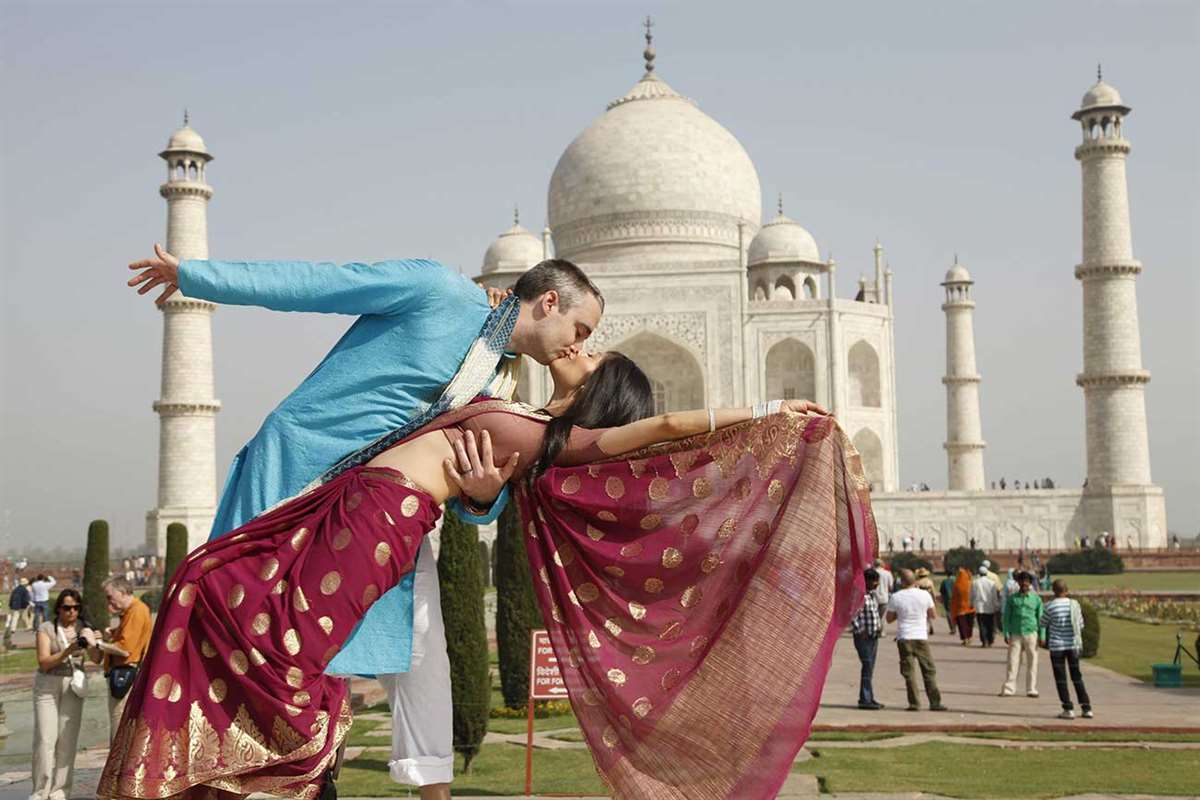
No monument on earth is more photographed, and yet nothing prepares you for the real thing. The Taj Mahal – built by Mughal Emperor Shah Jahan as a tomb for his beloved wife Mumtaz Mahal – seems to change color through the day: blush pink at dawn, blinding white at noon, honey-gold at dusk. It’s a UNESCO World Heritage Site, and for most travelers it’s the emotional centerpiece of a first India trip.
Top things to do: Watch sunrise over the Taj from inside the complex; explore the mighty Agra Fort, a UNESCO site in its own right; catch the Taj at sunset from Mehtab Bagh, the garden across the Yamuna River; and pick up marble inlay handicrafts and Agra’s famous petha sweets.
Entry fees & timings: Foreign visitors pay ₹1,100, plus ₹200 to step inside the main mausoleum; children under 15 enter free. Gates open 30 minutes before sunrise and close 30 minutes before sunset, and the whole complex is closed on Fridays for prayers. Book your ticket online and enter through the quieter East Gate – your foreigner ticket includes shoe covers and a bottle of water.
Best time to visit: October to March, and always at sunrise if you can drag yourself out of bed. The light is softer and the crowds are a fraction of what they become by mid-morning.
How to get there: Agra anchors the Golden Triangle route. It’s a 3.5-4 hour drive from Delhi on the Yamuna Expressway, or under two hours on the fast Gatimaan and Vande Bharat trains to Agra Cantt. The nearest major international airport is Delhi.
Time needed: One full day, or better, an overnight stay so you can catch both sunset and sunrise.
Insider tip: Only hire a government-licensed guide (ask to see the ID card), politely wave off everyone else, and never plan your visit for a Friday.
Also Read: Taj Mahal The Wonder Of India.
2. Jaipur, Rajasthan – The Pink City
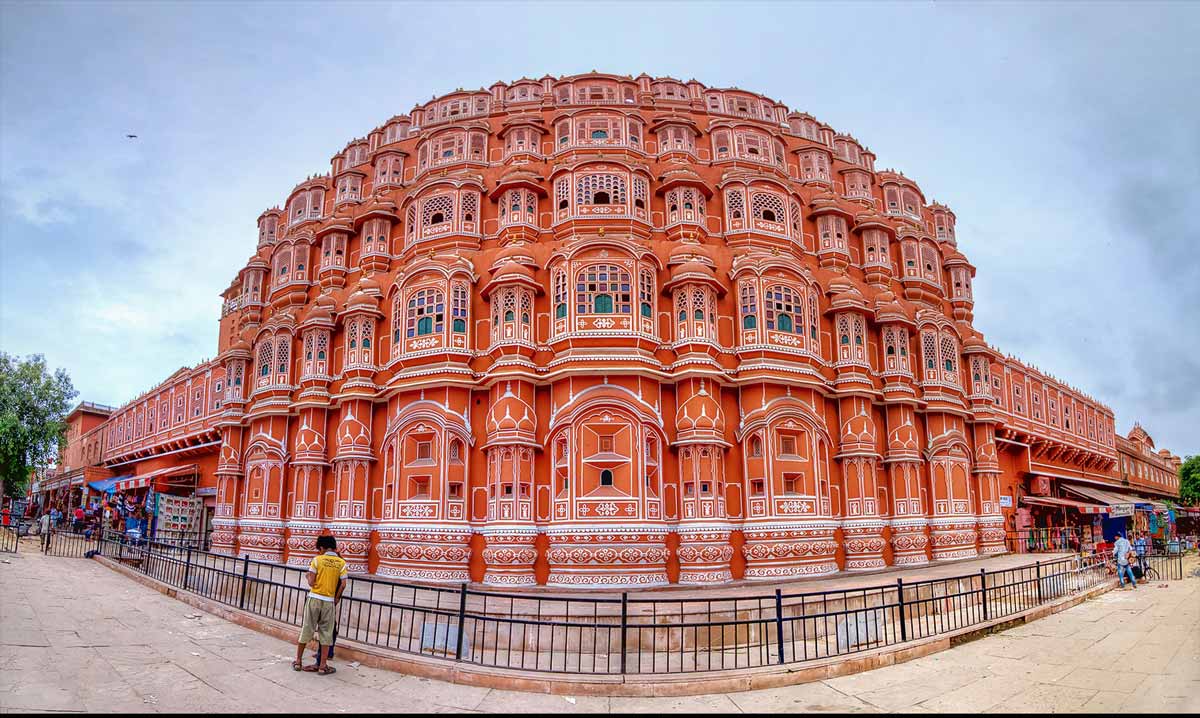
The capital of Rajasthan and the third point of the Golden Triangle, Jaipur is a swirl of rose-pink façades, hilltop forts, and bazaars piled high with gemstones, block-printed textiles, and blue pottery. If you want a crash course in India’s royal Rajput heritage, it starts here.
Top things to do: Spend a morning at the magnificent Amber Fort with its dazzling mirror-work Sheesh Mahal; photograph the honeycomb façade of the Hawa Mahal, the “Palace of Winds” with its 953 tiny windows; tour the City Palace, still home to Jaipur’s royal family; and puzzle over the enormous astronomical instruments at Jantar Mantar, a UNESCO site where an 18th-century sundial still keeps time to within two seconds.
Entry fees: Expect around ₹500 for Amber Fort, ₹700 for the City Palace museum, and about ₹200 for the Hawa Mahal. The composite tourist ticket (roughly ₹1,000 for foreigners) covers seven monuments and is excellent value. Prices do change, so confirm at the counter.
Best time to visit: October to March, when days hover between a pleasant 10 and 27°C.
How to get there: Jaipur’s international airport sits about 30 minutes from the center, and frequent trains and buses connect the city with Delhi (5-6 hours) and Agra.
Time needed: 2-3 days.
Insider tip: Skip the elephant rides up to Amber Fort – animal welfare concerns are well documented. Walking up takes ten minutes, and jeeps run the same route.
Also Read: 10 Reasons To Visit Bikaner – The Ancient City in Rajasthan
3. Udaipur, Rajasthan – The City of Lakes
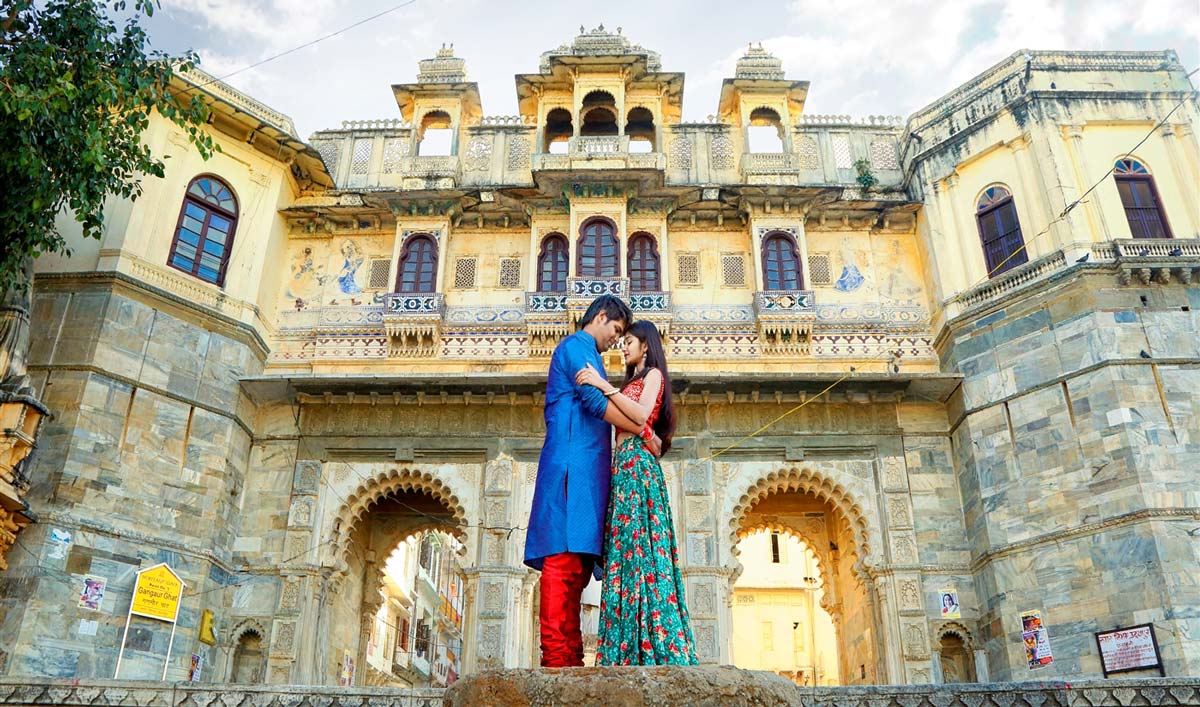
Often called the most romantic city in India, Udaipur is a dreamscape of shimmering lakes, whitewashed palaces, and the rolling Aravalli hills. The Lake Palace appears to float on the water, rooftop cafés glow at sunset, and the whole city seems designed for lingering.
Top things to do: Take a boat ride on Lake Pichola in the golden hour; wander the sprawling City Palace complex; visit the lively Jagdish Temple; browse the old city’s miniature-painting studios; and day-trip out to the massive walls of Kumbhalgarh Fort or the intricately carved Jain temples of Ranakpur.
Best time to visit: September to March. Udaipur is also one of the few Rajasthani cities that shines in the monsoon, when the lakes fill up and the hills turn green.
How to get there: Udaipur has its own domestic airport and good rail connections. The drive from Jodhpur takes about five hours and passes some beautiful countryside.
Time needed: 2 days.
Insider tip: Budget for one sunset drink at a lakeside heritage hotel. It isn’t cheap, but the view across Lake Pichola is one of the finest in India.
Also Read: Udaipur – Explore The Land Of Lakes And Princely Palaces
4. Jodhpur, Rajasthan – The Blue City
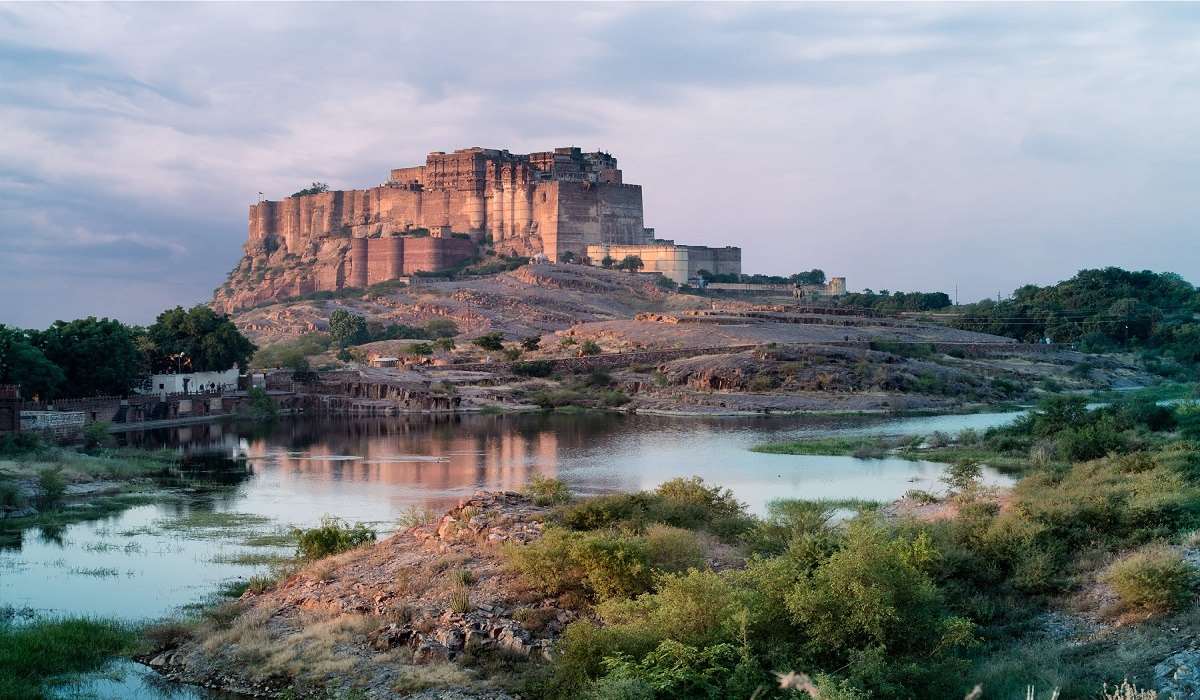
Jodhpur’s old town is a maze of indigo-washed houses spread beneath Mehrangarh Fort, a colossus of sandstone rising four hundred feet from a rocky outcrop. At dawn, when low light hits the blue lanes, it’s one of the most photogenic cities anywhere.
Top things to do: Explore Mehrangarh, arguably the best-preserved and best-curated fort in India; visit the white marble cenotaph of Jaswant Thada; get happily lost in the lanes around the clock tower and Sardar Market; and admire Umaid Bhawan Palace, part royal residence, part museum, part luxury hotel.
Best time to visit: October to March. Give April-June a wide berth – desert temperatures can push toward 50°C.
How to get there: Jodhpur has a domestic airport and solid rail links with Jaipur, Udaipur, and Delhi.
Time needed: 1-2 days.
Insider tip: The zip-line circuit over Mehrangarh’s ramparts and desert lakes is professionally run and a genuinely thrilling way to see the fort from angles most visitors never do.
Also Read: Remarkable Places in Jodhpur That Make Your Rajasthan Trip Complete!
5. Jaisalmer, Rajasthan – The Golden City
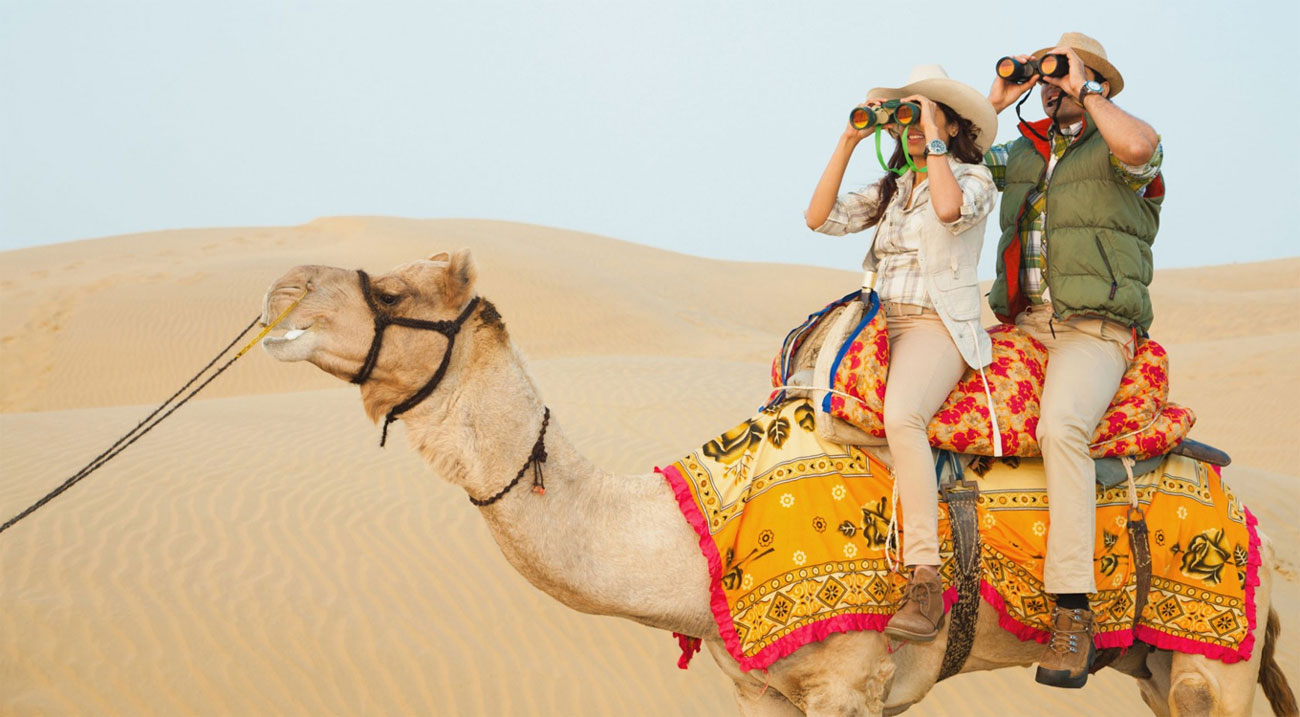
Deep in the Thar Desert near the Pakistan border, Jaisalmer rises from the sand like a mirage carved from golden sandstone. Its 12th-century fort is a living one – families, shops, temples, and guesthouses still fill the lanes within its walls.
Top things to do: Explore Jaisalmer Fort and its delicately carved Jain temples; admire the ornate façades of Patwon Ki Haveli, a cluster of wealthy merchants’ mansions; and – the real highlight – head into the Sam Sand Dunes by camel or jeep for a night at a desert camp under an absurd number of stars.
Best time to visit: November to February. The Desert Festival in February fills the dunes with folk music, camel races, and turban-tying contests.
How to get there: Jaisalmer has a small airport with seasonal flights, but most travelers take the overnight train from Jodhpur or Delhi – a classic journey.
Time needed: 2 days, including one night in the desert.
Insider tip: Pick a camp set deeper in the dunes, away from the crowded strip near Sam village. You’ll trade a little convenience for silence and a far darker sky.
Also Read: Visit Jaisalmer — The Golden City of Rajasthan
6. Delhi – The Capital of Contrasts
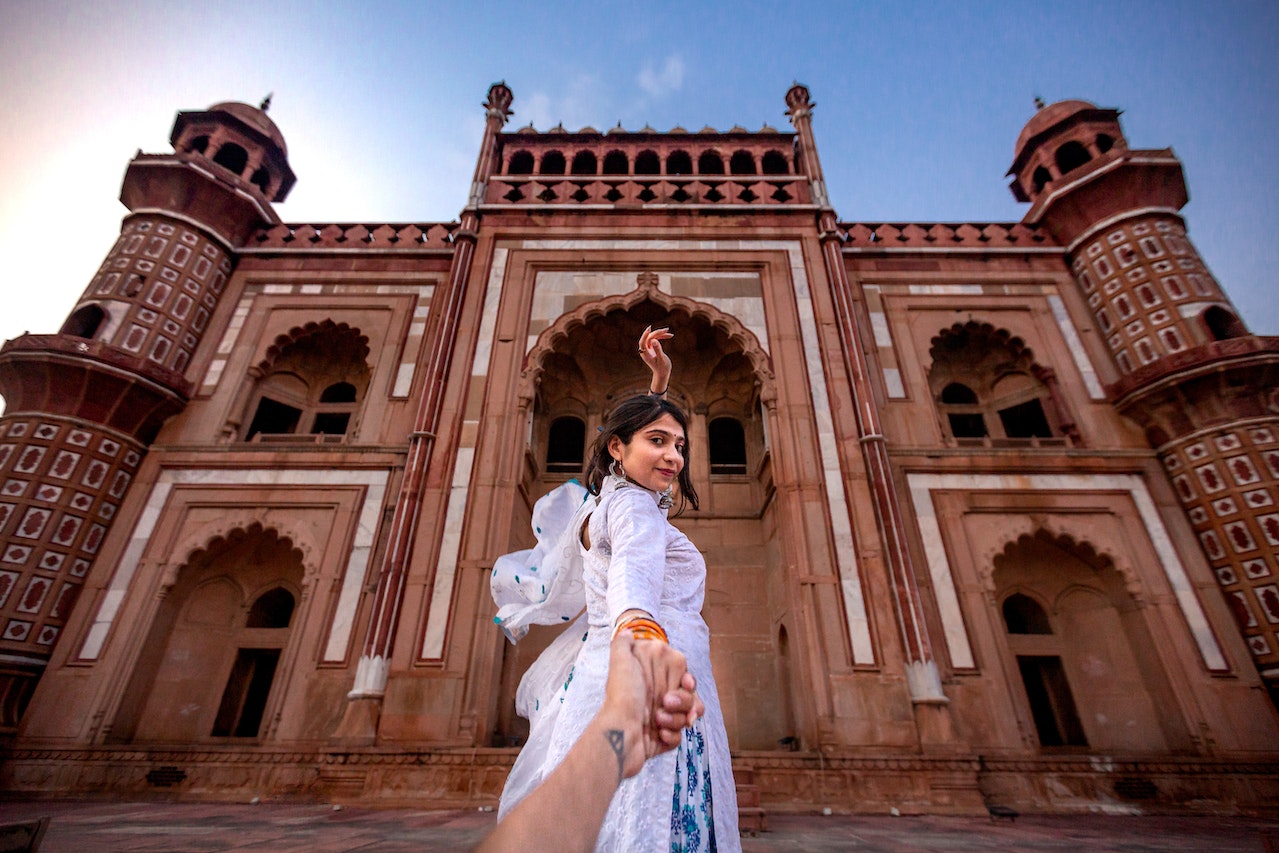
Most India journeys begin in Delhi, and the capital rewards travelers who give it more than a transit stop. This is a city layered like geology: 13th-century sultanate ruins beside Mughal masterpieces, colonial boulevards beside glass towers, all stitched together by a modern metro.
Top things to do: Tick off the UNESCO trio of the Red Fort, Humayun’s Tomb (the elegant garden tomb that inspired the Taj Mahal), and the Qutub Minar, the world’s tallest brick minaret at 72.5 metres; plunge into Old Delhi’s Chandni Chowk by cycle rickshaw; climb the steps of the mighty Jama Masjid; find quiet at the Lotus Temple; and pay your respects at Raj Ghat, the memorial to Mahatma Gandhi.
Best time to visit: October to March, when days sit comfortably between 15 and 25°C. Summer is punishing, and early winter can bring smoggy air, so pack accordingly.
How to get there: Indira Gandhi International Airport is India’s busiest hub, connected to nearly everywhere. The clean, cheap Delhi Metro reaches most major sights.
Time needed: 2-3 days.
Insider tip: Book a guided Old Delhi food walk for your second or third day, once your stomach has had time to adjust. Choose the busy stalls – turnover is the best hygiene certificate there is.
Also Read: Top 5 Places To Visit In Delhi
7. Varanasi, Uttar Pradesh – The Spiritual Soul of India
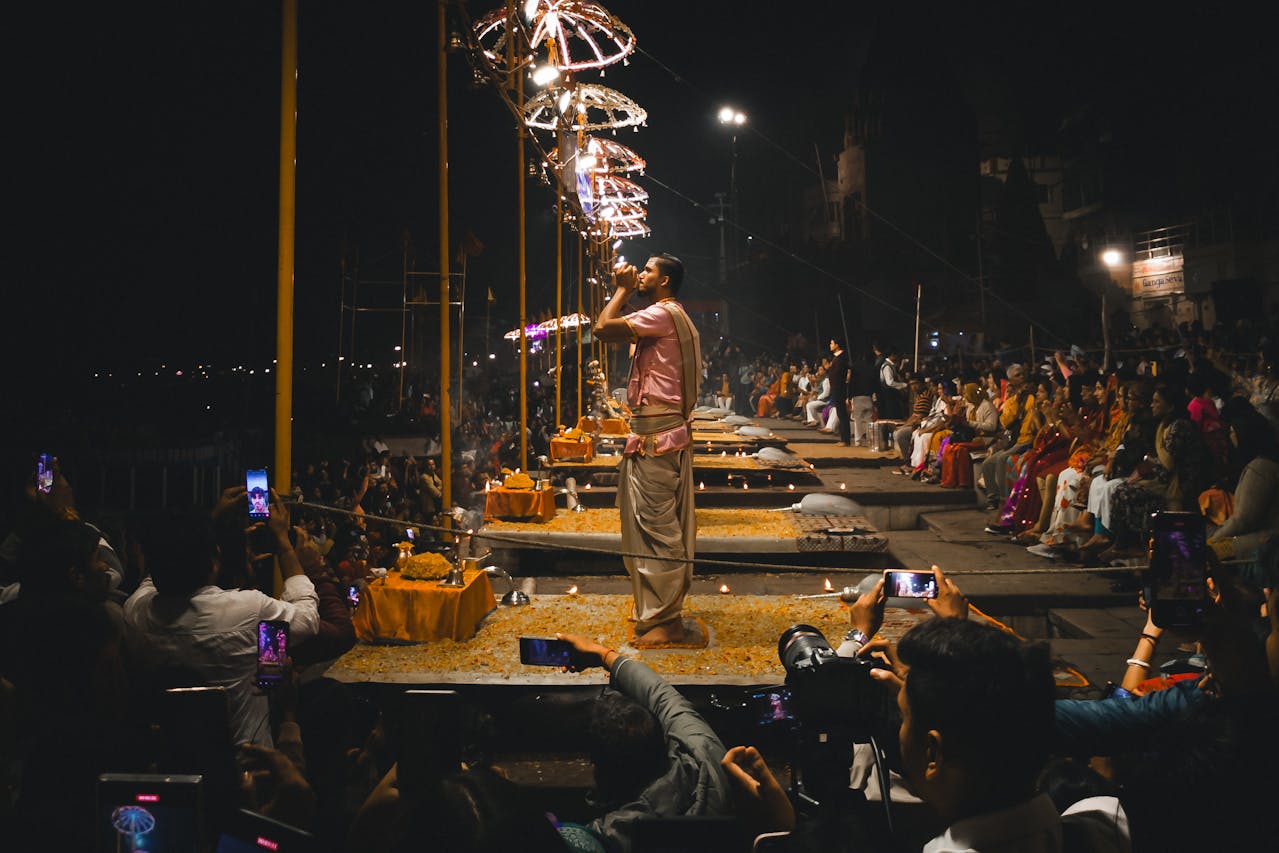
One of the oldest continuously inhabited cities on earth, Varanasi is the beating spiritual heart of Hinduism. Along the ghats – the great stone steps descending to the Ganges – pilgrims bathe, priests chant, laundry dries, and funeral pyres burn, all within a few hundred metres of each other. Life and death share the same stage here, and few places move visitors more deeply.
Top things to do: Take a rowboat along the ghats at sunrise, when the city glows amber and pilgrims wade into the river; return in the evening for the Ganga Aarti at Dashashwamedh Ghat, a hypnotic fire ceremony performed in perfect synchrony by seven priests with tiered brass lamps; visit the Kashi Vishwanath Temple; and make the short trip to Sarnath, where the Buddha delivered his first sermon.
Best time to visit: October to March. Winter mornings bring a soft mist over the river that photographers dream about. The evening aarti starts around 6 PM in winter and 7 PM in summer.
How to get there: Varanasi has an airport with plentiful domestic connections and a major railway junction linked to Delhi, Agra, and Kolkata.
Time needed: 2 nights.
Insider tip: At Manikarnika, the main cremation ghat, put your camera away entirely and keep a respectful distance – this is a sacred funeral site, not a spectacle. Book boats through your hotel or the fixed-price stands to avoid the hard-selling touts.
Also Read: Flavours of the Ganges: Discovering the Delicacies That Carry the Heritage of Varanasi
8. The Kerala Backwaters (Alleppey & Kumarakom)
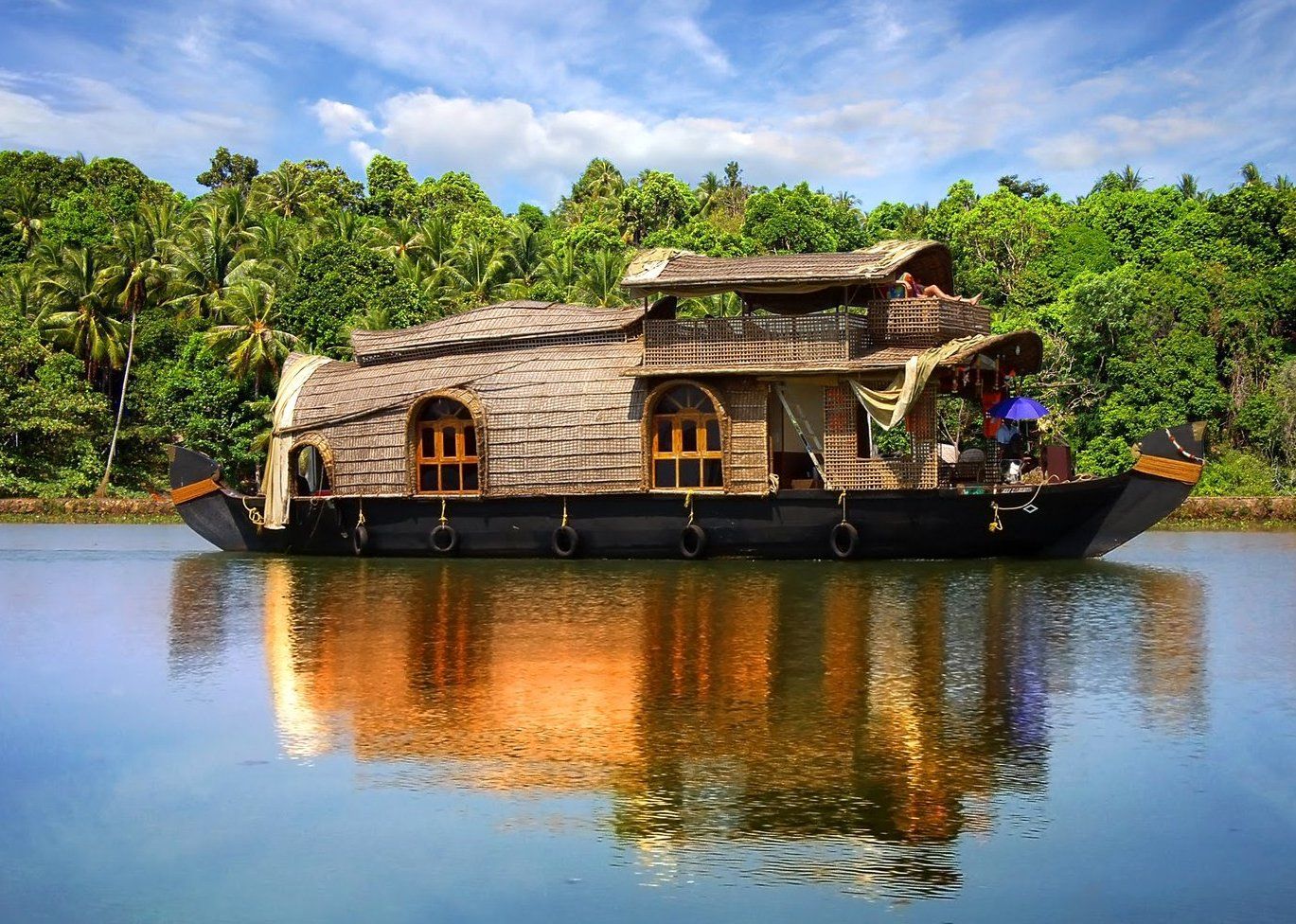
In the far south, a labyrinth of palm-lined canals, lagoons, and lakes threads through villages so green they barely look real. Drifting through this watery world on a converted rice barge – a kettuvallam houseboat – while kingfishers dart past and village life unfolds on the banks is one of Asia’s great slow-travel experiences.
Top things to do: Spend a night aboard a houseboat out of Alleppey, meals of fresh fish and coconut curry included; take a small canoe into the narrow village canals a houseboat can’t reach; watch the sun sink into Vembanad Lake; and go birdwatching in Kumarakom, where herons and painted storks gather between October and February.
Best time to visit: October to March for calm water and dry skies. Houseboat operations wind down during the rough monsoon months of June to August.
How to get there: Fly into Cochin International Airport, then drive about 1.5-2 hours south to Alleppey. The town is also on the rail network.
Time needed: 1-2 nights on the water, folded into a longer Kerala itinerary.
Insider tip: Alleppey suits first-timers who want the classic experience; Kumarakom is the quieter, more upscale base for honeymooners and birders. Inspect your houseboat (or at least recent photos and reviews) before paying – quality varies enormously.
Also Read: Top 9 Beaches In Kerala You Must Visit
9. Munnar, Kerala – Rolling Tea Hills
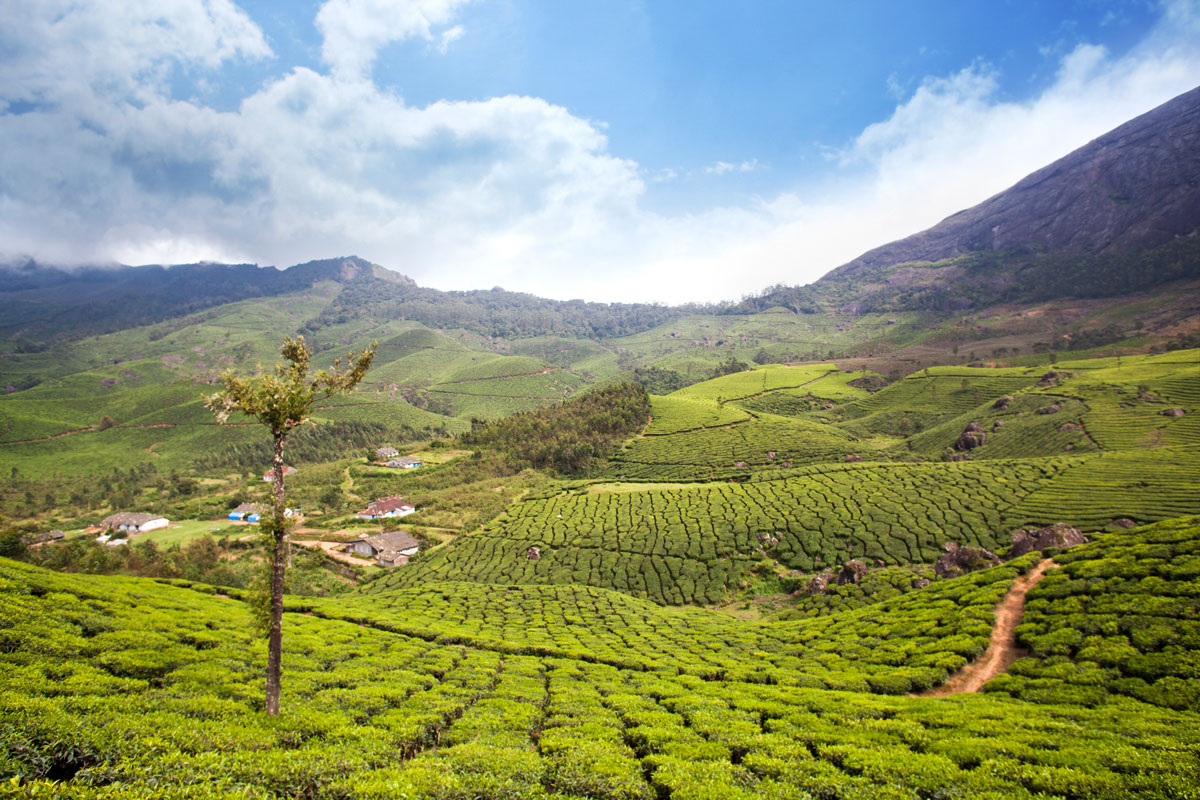
High in the Western Ghats, Munnar is a cool, misty world of tea plantations rolling to the horizon like green corduroy. After the heat of the plains, the mountain air alone feels like a holiday.
Top things to do: Walk the tea estates and visit a working tea factory and museum; look for the endangered Nilgiri tahr, a rare mountain goat, at Eravikulam National Park; drive up to the panoramic viewpoint at Top Station; and paddle a boat on Mattupetty Dam.
Best time to visit: September to March. And if you’re extraordinarily lucky with timing, the Neelakurinji flower blankets these hills in violet just once every twelve years.
How to get there: Cochin is the nearest airport, about four hours away by a winding, waterfall-studded mountain road that’s an attraction in itself.
Time needed: 2 days, pairing naturally with the backwaters.
Insider tip: The classic Kerala circuit – Kochi for heritage, Munnar for hills, Thekkady for wildlife, Alleppey for backwaters – fits neatly into a week and covers astonishing variety.
Also Read: Weekend Getaway To Alleppey Via Munnar – My Travel Diary
10. Goa – India’s Beach Capital
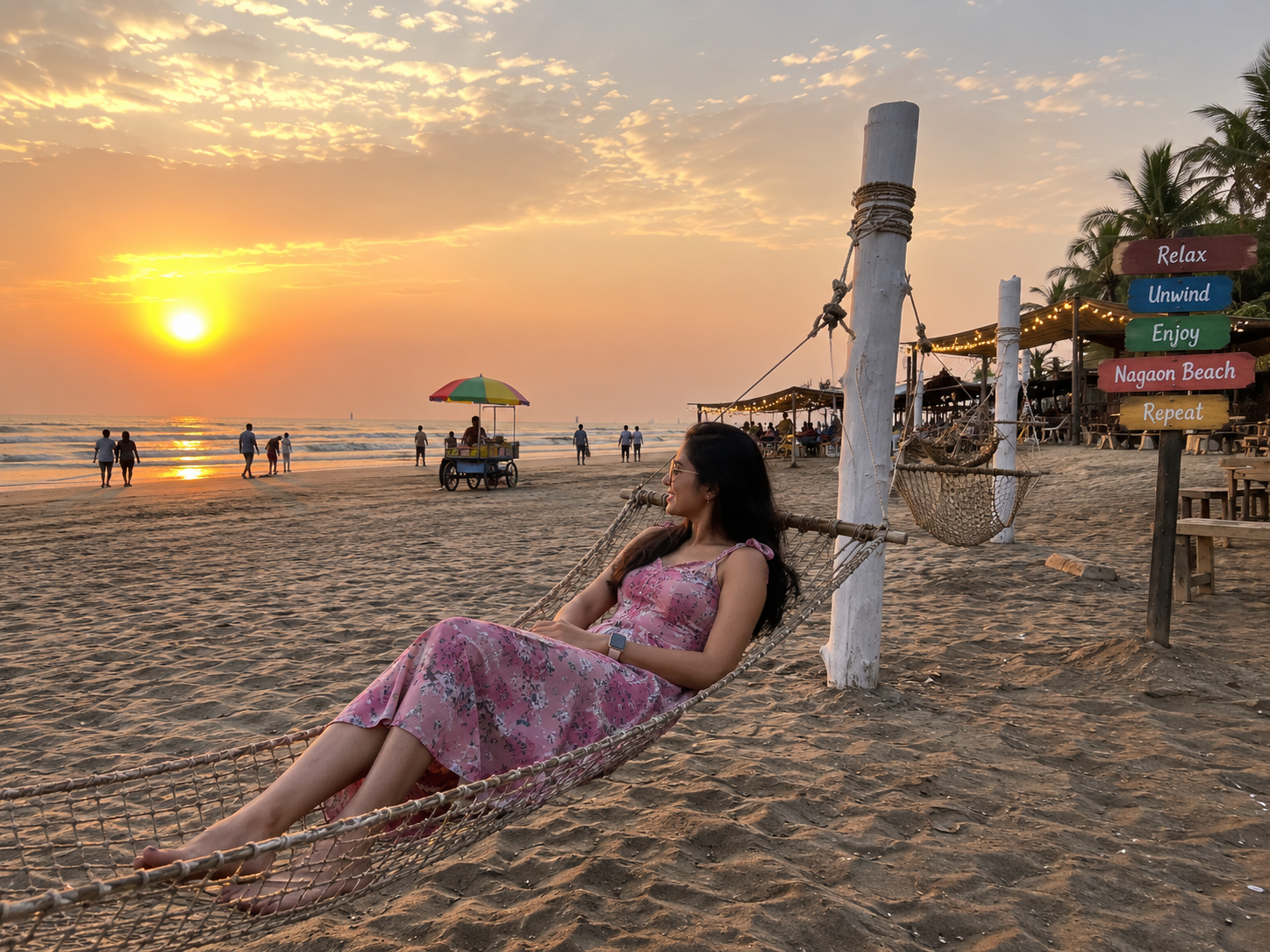
India’s smallest state squeezes golden beaches, 450 years of Portuguese heritage, whitewashed churches, seafood shacks, and legendary nightlife into one laid-back coastal ribbon. The rule of thumb: North Goa buzzes, South Goa breathes.
Top things to do: Beach-hop from lively Baga and Calangute down to serene Palolem and Agonda; explore the grand UNESCO-listed churches of Old Goa; wander Fontainhas, Panjim’s Latin Quarter, with its ochre-and-blue Portuguese houses; try parasailing or jet-skiing; and make the trek to the four-tiered Dudhsagar Falls.
Best time to visit: November to February, when the sun is reliable and the events calendar – including major music festivals – is in full swing. The monsoon months are lush, moody, and cheap, but many beach shacks close.
How to get there: Goa now has two airports, with wide domestic and growing international connectivity. The Konkan Railway from Mumbai is one of India’s most scenic train rides.
Time needed: 4-7 days.
Insider tip: Rent a scooter. Goa’s taxis are famously expensive, and two wheels give you the freedom to find your own empty stretch of sand.
Also Read: Goa – An Indian State That Redefined Tourism
11. Amritsar, Punjab – The Golden Temple
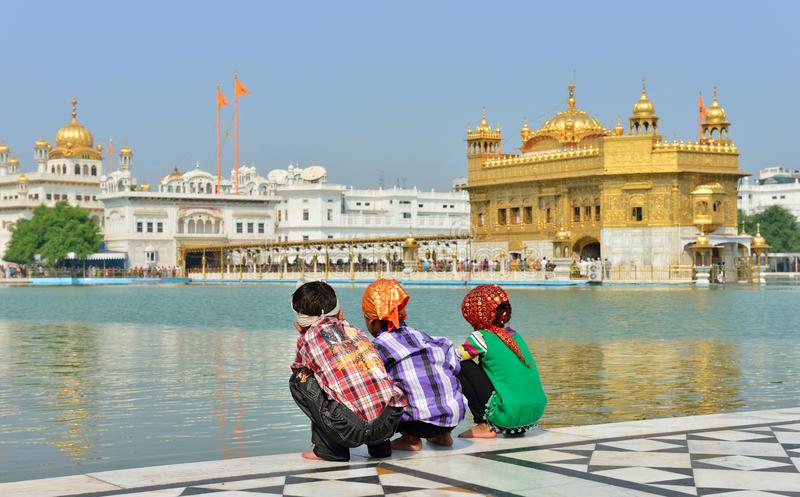
The Golden Temple is the holiest shrine of Sikhism and, for many travelers, the most spiritually affecting place in all of India. Its gold-plated sanctum glows in the middle of a sacred pool, hymns drift across the water day and night, and visitors of every faith and nationality are welcomed without question, around the clock, free of charge.
Top things to do: Walk the marble path around the sacred pool as the temple reflects in the water; sit down for langar, the temple’s free community kitchen, which serves simple hot meals to roughly 100,000 people every single day, all cooked and served by volunteers; consider rolling up your sleeves and volunteering yourself; visit the sobering Jallianwala Bagh memorial next door; and in the late afternoon, drive out to the Wagah border for the gloriously theatrical flag-lowering ceremony facing Pakistan.
Best time to visit: November to March. Come back after dark, when the illuminated temple doubles itself in the still water.
How to get there: Amritsar’s international airport has direct flights from several countries, and fast trains connect the city with Delhi in about six hours.
Time needed: 1-2 days.
Insider tip: Cover your head (free scarves are provided), remove your shoes, and wash your feet at the entrance. No alcohol, tobacco, or meat is allowed anywhere in the complex. Wear slip-on shoes – you’ll thank yourself.
Also Read: Punjabi Foods: Finger-licking Cuisines You Can Not Miss It
12. Mumbai, Maharashtra – The City of Dreams
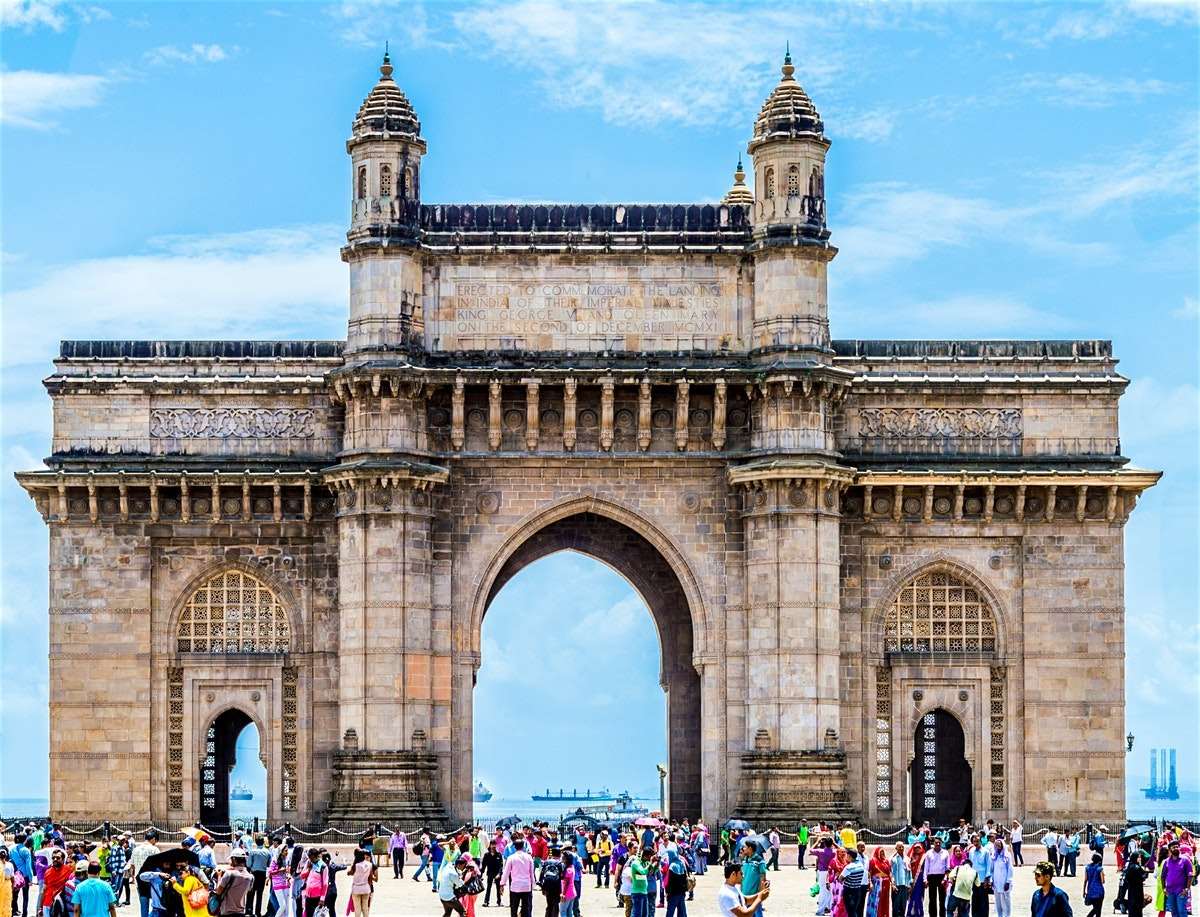
India’s financial capital and the home of Bollywood, Mumbai is a high-voltage metropolis where Victorian Gothic architecture, Art Deco seafronts, staggering wealth, and improvised ingenuity all crowd the same island. It’s intense, glamorous, exhausting, and addictive.
Top things to do: Photograph the Gateway of India; join the evening crowds strolling Marine Drive, the curving seafront nicknamed the Queen’s Necklace; admire the UNESCO-listed Victorian and Art Deco ensembles and the cathedral-like Chhatrapati Shivaji Maharaj Terminus railway station; ferry out to the ancient rock-cut Elephanta Caves (closed Mondays; foreigners pay ₹600, and the boat from the Gateway takes about an hour each way); and take a respectful, resident-led tour of Dharavi to understand the extraordinary micro-economy of one of Asia’s largest informal settlements.
Best time to visit: November to February. The monsoon from June to September is dramatic but disruptive.
How to get there: Mumbai’s international airport is a major global gateway, and the city’s brand-new second airport at Navi Mumbai, opened in late 2025, has added even more capacity.
Time needed: 2 days.
Insider tip: Avoid the suburban trains at rush hour – they’re an experience, but not a gentle one. App taxis are cheap and spare you the traffic negotiations.
Also Read: Top 5 Places To Visit In Maharashtra
13. Ladakh – The Land of High Passes
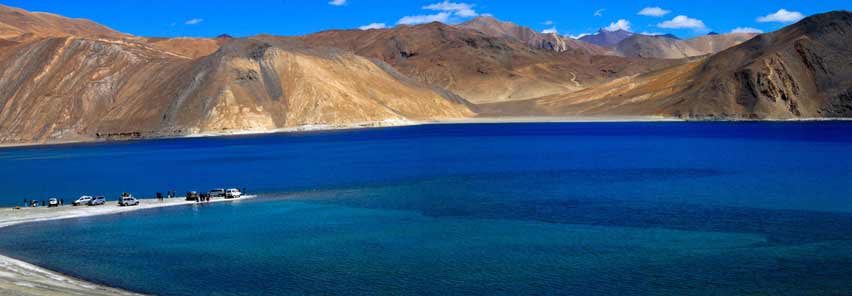
In India’s far north, beyond the main Himalayan wall, Ladakh is a high-altitude desert of jagged peaks, cobalt lakes, and whitewashed Buddhist monasteries clinging to cliff faces. It looks like Tibet, feels like the moon, and sits firmly on every adventurer’s list.
Top things to do: Base yourself in Leh and explore its old town and palace; visit the great monasteries of Thiksey and Hemis, ideally in time for morning prayers; drive the spectacular road to Pangong Lake, whose water shifts from turquoise to deep blue through the day; cross one of the world’s highest motorable passes into the Nubra Valley, where sand dunes and double-humped camels sit beneath snow peaks; and if you’re fit and prepared, tackle a multi-day trek.
Best time to visit: May/June to September, when the passes are open. Ladakh largely shuts down from November to March.
How to get there: Fly into Leh, one of the world’s highest commercial airports at about 3,250 metres. The overland routes from Manali and Srinagar are legendary road trips, open only in summer.
Time needed: 5-7 days.
Insider tip: Take altitude seriously. Do nothing strenuous for your first 24-48 hours in Leh, drink 3-4 litres of water a day, skip alcohol, and talk to your doctor about altitude medication before you travel. Foreigners need a Protected Area Permit for Pangong and Nubra – since 2026 it can be arranged on arrival at Leh airport, though any hotel or agency will happily sort it for you.
Also Read: Ladakh – A Must See Place For Adventurers
14. Rishikesh & Haridwar, Uttarakhand – Yoga Capital of the World
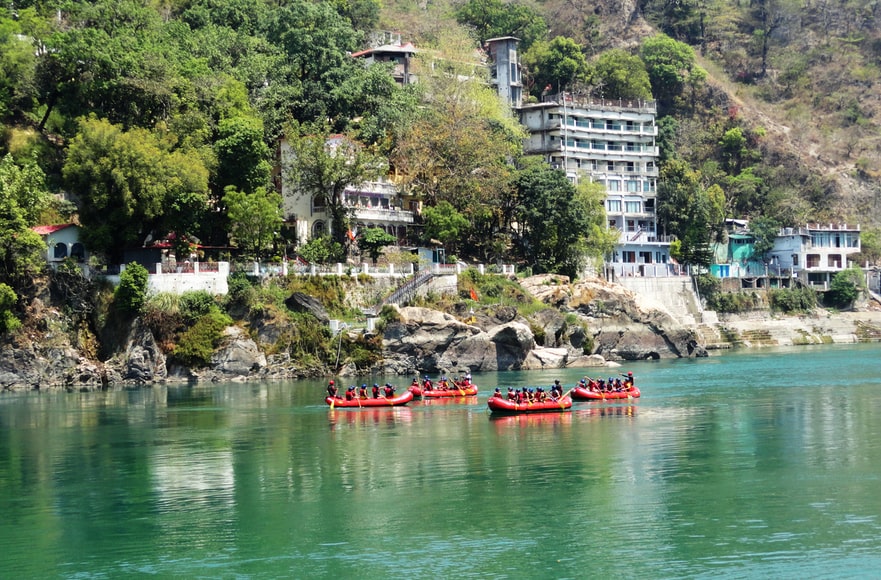
Where the Ganges comes crashing out of the Himalayas onto the plains, Rishikesh has drawn sages and seekers for thousands of years – and the whole world’s attention since the Beatles came to study meditation here in 1968. Today it balances ashrams and yoga schools with white-water rafting and mountain adventure. Half an hour downstream, Haridwar is one of Hinduism’s seven holiest cities.
Top things to do: Take a yoga or meditation course, from a single drop-in class to a month-long teacher training; join the evening Ganga Aarti at Parmarth Niketan or Triveni Ghat; walk the iconic suspension bridges of Lakshman Jhula and Ram Jhula; raft the Ganges rapids (roughly late September through June); explore the graffiti-covered ruins of the Beatles Ashram; and in Haridwar, witness the grand fire ceremony at Har Ki Pauri as thousands of oil lamps drift downriver.
Best time to visit: September to November and February to April. The International Yoga Festival takes over the town every March.
How to get there: Dehradun’s airport is only 20 km away, and Rishikesh and Haridwar are both on the rail network, about 5-6 hours from Delhi by road.
Time needed: 2-4 days – longer if a yoga course tempts you.
Insider tip: Rishikesh is entirely vegetarian and alcohol-free; lean into it, because the café scene is superb. It’s also one of India’s most relaxed and safest towns for solo travelers, and English is spoken everywhere in the yoga world.
Also Read: Rishikesh – The City Of Yoga And Hill Station
15. Ranthambore National Park, Rajasthan – Tiger Country
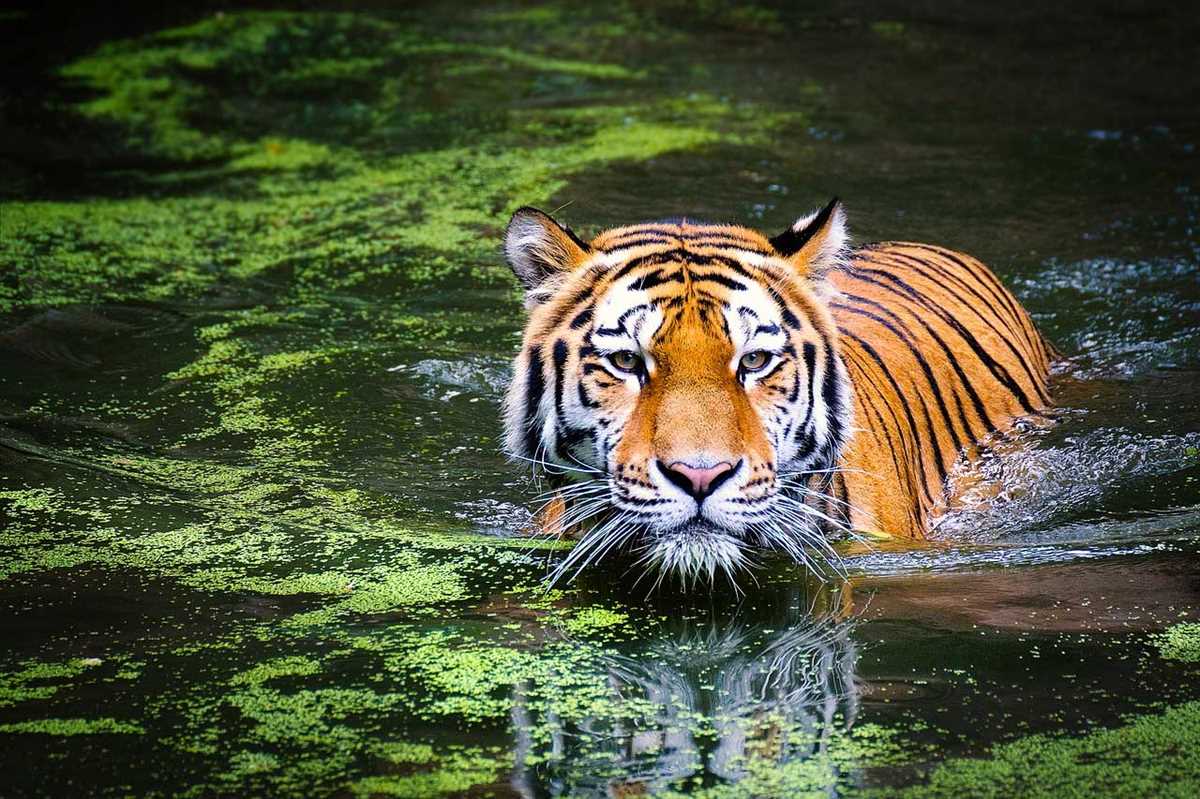
If seeing a wild Royal Bengal tiger is on your list – and it should be – few places give you better odds than Ranthambore. Its dry, relatively open forest, dotted with lakes and crowned by a thousand-year-old hilltop fort, makes sightings more frequent here than in India’s denser jungles. There’s something cinematic about a tiger padding past crumbling ruins.
Top things to do: Take morning and afternoon safaris in an open jeep (six seats) or larger canter (twenty seats) through the park’s zones; climb up to Ranthambore Fort between drives; and keep your camera ready for leopards, sloth bears, crocodiles, and a huge cast of birdlife even when the tigers stay hidden.
Best time to visit: The park opens from October to June and closes for the monsoon. October to April brings the kindest weather, while the hot months of March to May actually improve sightings, as animals gather at shrinking waterholes.
How to get there: The gateway town, Sawai Madhopur, sits on the main Delhi-Mumbai rail line – an easy add-on to a Golden Triangle trip. Jaipur, about three hours away, has the nearest airport.
Time needed: 2 nights, enough for three or four safaris.
Insider tip: Book safaris as far ahead as you can – up to 90 days for peak season – and note that foreign visitors must book with passport details and carry the passport itself on safari. Zones 1-6 have historically produced the most tiger sightings.
Also Read: Ranthambore National Park- Best Spot For Tiger Safari In India
16. Hampi, Karnataka – Ruins of a Lost Empire
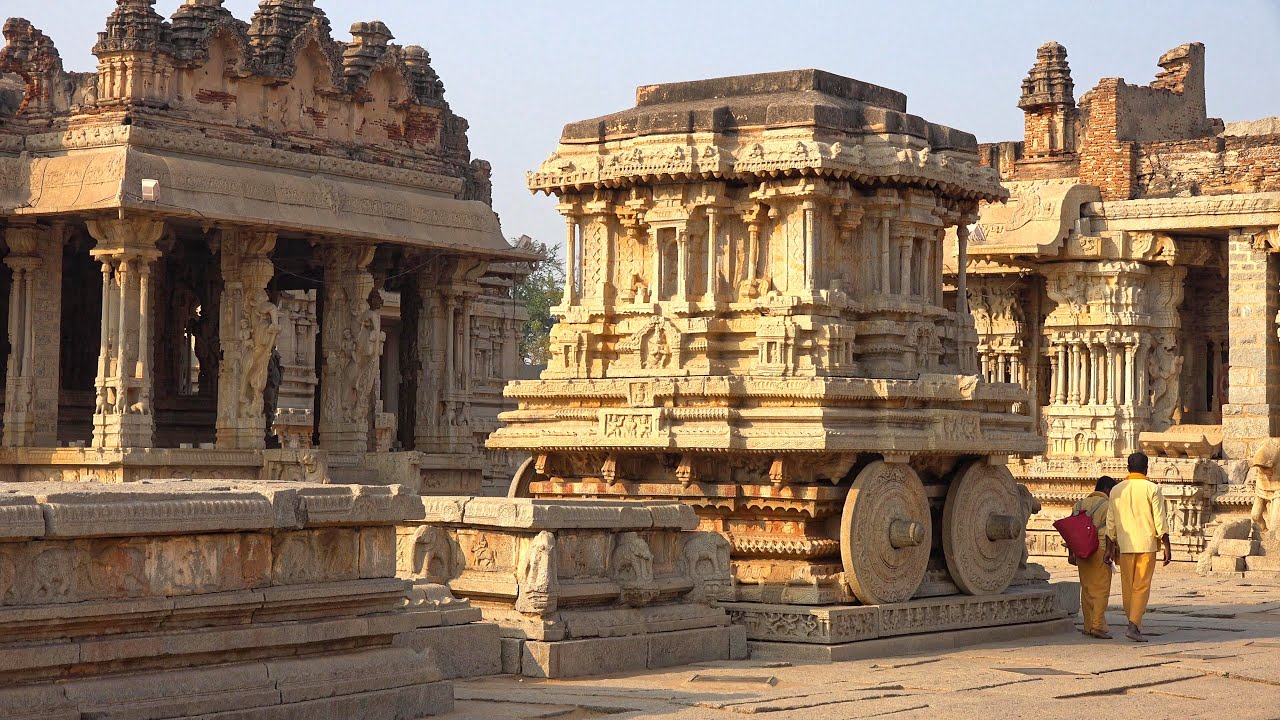
Hampi looks like the work of giants: enormous golden boulders heaped across the landscape, with the ruins of Vijayanagara – once among the largest and richest cities on earth – scattered between them. Temples, royal baths, elephant stables, and market streets sprawl over miles of surreal terrain, all with a mellow backpacker soundtrack. It’s a UNESCO World Heritage Site and unlike anywhere else in India.
Top things to do: Stand before the stone chariot at the Vittala Temple and its famously resonant “musical” pillars; visit the Virupaksha Temple, still active after seven centuries; scramble up Matanga Hill for a sunrise you won’t forget; rent a bicycle or scooter to roam the ruins at your own pace; and spin across the Tungabhadra River in a round coracle boat.
Best time to visit: October to February. Summer here is fierce, with temperatures regularly above 35°C on shadeless stone.
How to get there: The nearest railhead is Hosapete (Hospet), about 13 km away, with trains from Bengaluru, Hyderabad, and Goa. The nearest airports are Hubli and Bengaluru.
Time needed: 2-3 days.
Insider tip: Sturdy shoes, a hat, sunscreen, and more water than you think you need – exploring Hampi means hours of walking and climbing over sun-baked rock.
Also Read: The Ruins of Hampi – Historical & Architectural Marvel of Karnataka
17. Khajuraho, Madhya Pradesh – Temples of Art & Passion
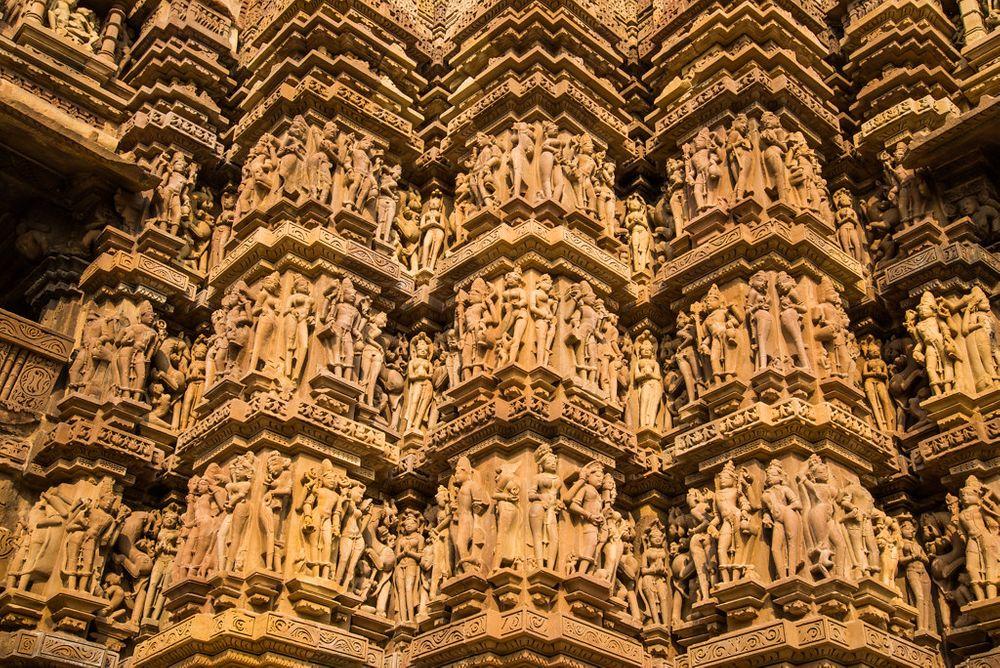
Built by the Chandela dynasty between roughly 950 and 1050 CE, the temples of Khajuraho carry some of the finest stone carving humanity has ever produced – including the famously sensual sculptures that celebrate love, life, and the divine with startling frankness. Of the original 85 temples, about 25 survive, and the best of them will stop you in your tracks. The whole ensemble is a UNESCO World Heritage Site.
Top things to do: Spend a slow morning in the Western Group, home to the soaring Kandariya Mahadeva and Lakshmana temples; cross town to the quieter Jain temples of the Eastern Group; and return in the evening for the sound-and-light show that tells the Chandela story against the floodlit stone.
Entry fee: Foreign visitors pay ₹600 for the Western Group; children under 15 enter free.
Best time to visit: October to March. In February, the Khajuraho Dance Festival brings India’s greatest classical dancers to perform with the temples as a backdrop – worth planning around.
How to get there: Khajuraho has its own airport and railway station, both about 5 km from the temples, with connections to Delhi and other major cities.
Time needed: 1-2 days.
Insider tip: Go early for soft light and empty courtyards, and hire a guide – the carvings are dense with symbolism you’d otherwise walk straight past. Travelers with children should know some sculptures are explicit.
Also Read: Know About Khajuraho – The Mythical Indian City of Love & Spirituality
18. Darjeeling & Sikkim – The Eastern Himalayas
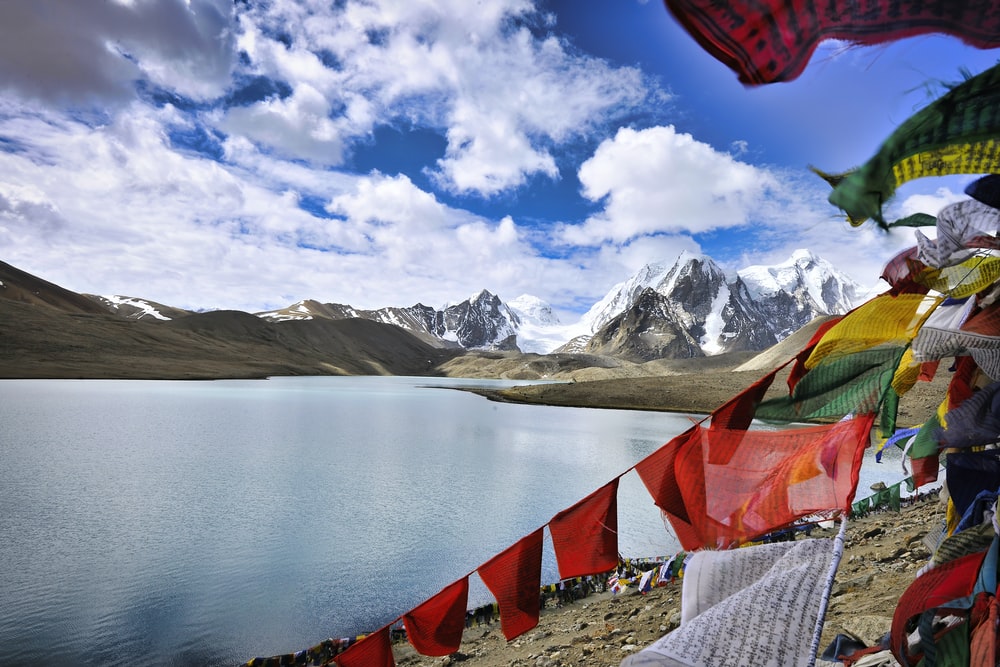
Tucked into India’s northeast, this is a different Himalaya altogether: tea gardens draped over steep ridges, prayer flags snapping in the wind, and – on clear mornings – the colossal white mass of Kanchenjunga, the world’s third-highest mountain, filling the sky. Darjeeling is the quintessential colonial-era hill station; neighboring Sikkim is a fully organic mountain state of monasteries and sacred lakes.
Top things to do: Ride the UNESCO-listed Darjeeling Himalayan Railway, the beloved “toy train” that has puffed up these hills since 1881; rise before dawn for sunrise over Kanchenjunga from Tiger Hill; tour a working tea estate and taste the difference between first and second flush; and across the border in Sikkim, explore Gangtok, visit the great monastery at Rumtek, and climb to the sacred, glacier-fed Tsomgo Lake.
Best time to visit: March to May and October to November, when the mountain views are clearest. The summer monsoon brings landslides to these steep hills, so it’s best avoided.
How to get there: Fly to Bagdogra or take the train to New Jalpaiguri near Siliguri; from either, it’s a winding 3-4 hour drive up to Darjeeling or Gangtok.
Time needed: 4-6 days for both.
Insider tip: Foreigners need a permit for Sikkim – easily arranged through hotels and agencies – but permits for North Sikkim take a couple of working days, so build that into your plan.
Also Read: Top 5 Places To Visit In Sikkim
19. The Andaman Islands – Tropical Paradise

Far out in the Bay of Bengal, closer to Myanmar than to mainland India, the Andaman Islands deliver the country’s most pristine beaches, glass-clear turquoise water, and its best diving and snorkeling by a distance. Radhanagar Beach on Havelock Island regularly ranks among the finest beaches in Asia – and once you’ve watched the sun melt into the sea there, you’ll understand why.
Top things to do: Dive or snorkel the coral reefs off Havelock and Neil Islands, whether you’re a complete beginner or logging your hundredth dive; do absolutely nothing on Radhanagar Beach; confront the islands’ dark colonial history at the Cellular Jail in Port Blair, where India’s freedom fighters were once imprisoned; and, in season, take a boat toward Barren Island, India’s only active volcano.
Best time to visit: October to May, when the seas are calm and visibility is superb. Sea turtles nest on several beaches between November and March.
How to get there: Fly to Port Blair from Chennai, Kolkata, or Delhi, then catch a ferry (1.5-2.5 hours) to Havelock.
Time needed: 4-6 days.
Insider tip: Ferries and flights genuinely sell out in peak season, so book both well ahead. Give yourself a buffer day before your international flight home – island weather has its own opinions about schedules.
Also Read: Andaman and Nicobar Islands – A Perfect Family Vacation Spot
20. Ajanta & Ellora Caves, Maharashtra – Rock-Cut Masterpieces
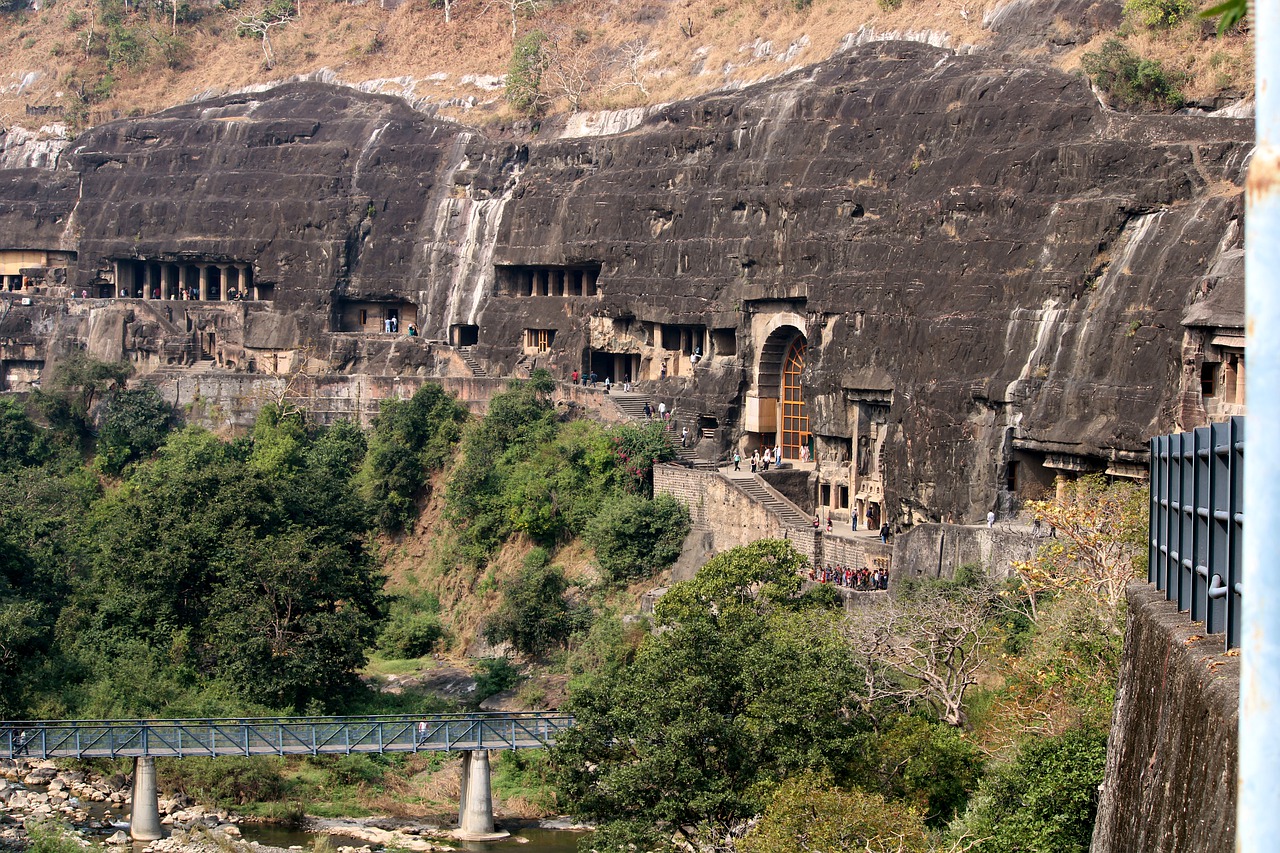
Near Aurangabad in the Deccan interior lie two of the greatest achievements in the history of art – both UNESCO World Heritage Sites, both carved by hand into solid rock. Ajanta’s 29 Buddhist caves shelter paintings up to two thousand years old, their colors somehow still alive in the darkness. Ellora’s 34 caves span Buddhism, Hinduism, and Jainism, and culminate in the Kailasa Temple – a full-scale, multi-storey temple complex sculpted downward from the top of a cliff, out of a single piece of stone. Standing in its courtyard, you simply won’t believe it was made without machines.
Top things to do: Trace the ancient murals of Ajanta by torchlight; give yourself a full hour just for the Kailasa Temple at Ellora; and wander the quieter sculpted halls on either side, where you’ll often have masterpieces entirely to yourself.
Timings: Ajanta closes on Mondays, Ellora on Tuesdays; both otherwise run from about 9 AM to 5:30 PM. The two sites are roughly 100 km apart, so plan a day for each.
Best time to visit: November to March. The monsoon makes the surrounding ravines dramatically green, if you don’t mind some rain.
How to get there: Base yourself in Aurangabad, a short flight or a comfortable overnight train from Mumbai. Ellora is about 30 km from the city; Ajanta is around 100 km.
Time needed: 2 days.
Insider tip: Bring a small flashlight for Ajanta’s dim interiors, wear shoes you can slip off easily, and start early – the caves get hot and busy by midday.
Also Read: Witness the Cultural Heritage of India at Ajanta & Ellora Caves
Beyond the Twenty: Places That Nearly Made the List
India could fill five lists like this one. If you have more time, consider Mysore (Mysuru), whose fairytale palace blazes with nearly a hundred thousand light bulbs on Sunday evenings and throughout the Dussehra festival; Shimla and Manali for Himalayan hill-station charm and adventure sports; Kolkata for colonial grandeur, intellectual café culture, and the best sweets in India; Hyderabad for the Charminar, Golconda Fort, and legendary biryani; Kashmir, with its houseboats on Dal Lake and alpine meadows; and Meghalaya, where villagers have trained living tree roots into bridges across jungle rivers. India rewards return visits for a lifetime – most travelers who come once end up planning the second trip on the flight home.
How to Plan Your India Itinerary
A little structure helps in a country this size. Some proven frameworks:
First-timers (10-14 days): The Golden Triangle – Delhi, Agra, Jaipur – plus either Varanasi for spirituality or Kerala for a gentle landing into Indian life.
Culture and heritage (2-3 weeks): The Golden Triangle, then deeper into Rajasthan through Udaipur, Jodhpur, and Jaisalmer, finishing in Varanasi.
Nature and beaches (2 weeks): Kerala’s backwaters and Munnar paired with Goa – or swap Goa for the Andamans if underwater life calls to you.
Adventure (2 weeks): Ladakh in summer, or Rishikesh combined with the Eastern Himalayas.
Fly between distant regions to save time, ride trains for the shorter scenic hops, and always build in buffer days – India has a way of rearranging plans, usually in your favor.
Frequently Asked Questions About Travelling in India
What is the best time to visit India?
October to March is the best time to visit India for most destinations. Days are dry and comfortable across Rajasthan, the Golden Triangle, Kerala, and Goa. The Himalayan regions of Ladakh and Sikkim reverse this pattern, opening up between May and September.
How many days do you need to see India properly?
Plan for at least 10 to 14 days on a first visit. That is enough for the Golden Triangle plus one additional region. Two to three weeks lets you add Rajasthan’s desert cities or a southern loop through Kerala without rushing.
Is India safe for foreign tourists?
Yes. India is broadly safe for international visitors, including solo travellers, and violent crime against tourists is rare. The realistic risks are petty scams, overcharging, and stomach upsets. Agree fares in advance, book guides and safaris through licensed operators, and stick to sealed bottled water.
Do I need a visa to visit India?
Almost certainly, yes. Citizens of more than 180 countries can apply for an Indian e-Tourist Visa online before departure, with 30-day, one-year, and five-year options. Apply through the official government portal at least four days before you fly.
What is the cheapest time to travel to India?
April to September is the low season, with the lowest flight and hotel prices, plus reduced e-Visa fees between April and June. The trade-off is intense heat on the plains and monsoon rain, though Ladakh and the Himalayas are at their best in exactly these months.
Which part of India should a first-time visitor choose?
Start with the Golden Triangle: Delhi, Agra, and Jaipur. The three cities are close together, well set up for foreign travellers, and cover Mughal, Rajput, and modern India in under a week. Add Varanasi for spirituality or Kerala for a gentler pace.
How much money do you need per day in India?
India remains excellent value. Budget travellers manage on US$25-40 per day, mid-range travellers on US$60-120, and luxury heritage-hotel trips run from US$250 upward. Monument entry fees for foreigners are usually the largest fixed cost.
Conclusion: Your Indian Adventure Awaits
India doesn’t just show you sights – it changes the way you see. Whether you’re tracking a tiger through golden grass, drifting past coconut palms at dawn, or standing wordless before the Taj Mahal as the sun climbs, this is a country that imprints itself on you. The twenty destinations in this guide are the perfect starting point, but the real magic lives in the moments between them: the chai pressed into your hands by a stranger, the temple bell at dusk, the unexpected kindness on a crowded train.
Ready to plan the trip of a lifetime? Explore our detailed destination guides, itineraries, and travel tips right here on IndiaImagine.com – and start turning your Incredible India dream into a journey. Namaste, and happy travels!