

India’s national parks reopening season runs from the start of October to the middle of November, and if you want a good jeep slot at Bandhavgarh or a night at Dhikala, the booking window has already started. Permits for the most popular zones sell out within minutes of release, not days.
This guide gives the actual national parks reopening dates for 2026-27, taken from the forest departments’ own booking portals rather than from last season’s blog posts, plus the booking dates you need to have in your calendar. Where an official 2026 date has not been published yet, I say so instead of guessing.
Quick Answer: National Parks Reopening Dates at a Glance
| Park | State | Reopens |
|---|---|---|
| Kanha, Bandhavgarh, Pench, Satpura | Madhya Pradesh | 1 October 2026 |
| Ranthambore | Rajasthan | 1 October 2026 |
| Corbett, Bijrani zone | Uttarakhand | 15 October 2026 |
| Corbett, Dhikala / Durgadevi / Sonanadi / Pakhro | Uttarakhand | 15 November 2026 |
| Corbett, Jhirna / Dhela / Garjia | Uttarakhand | Open all year |
| Kaziranga | Assam | Around 1 November 2026 (see the caveat below) |
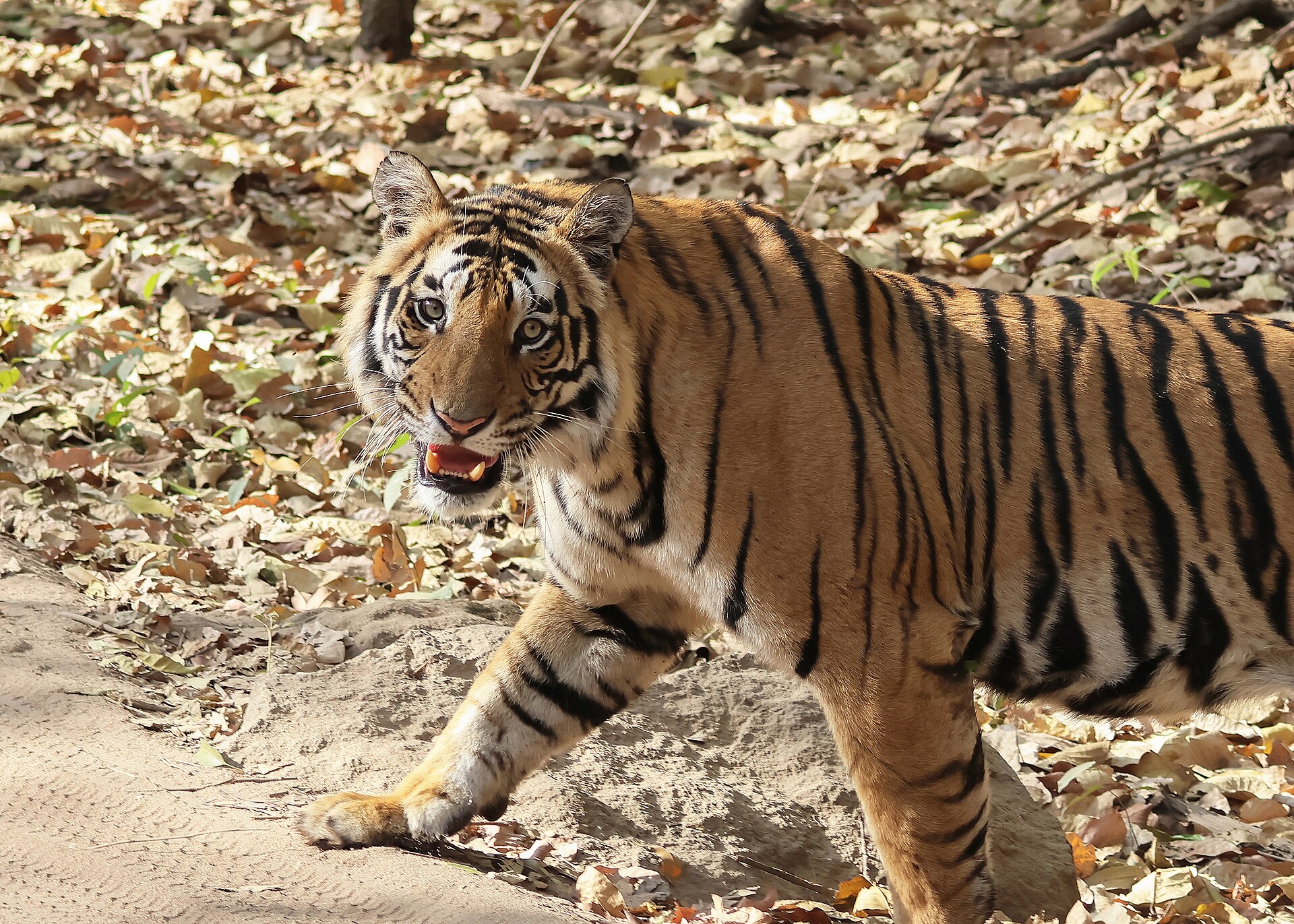
Madhya Pradesh: Kanha, Bandhavgarh, Pench and Satpura
Madhya Pradesh calls itself the tiger state and the numbers back it up. Its national parks reopening date is 1 October 2026, after the monsoon closure.
The important part is the booking calendar, because MP releases permits in monthly blocks well ahead of the season. On the Forest Department’s own portal, the notice reads: advance permit bookings for 1 October to 31 October 2026 opened on 1 August 2026 at 11:00 AM, and advance bookings for 1 November 2026 onwards open on 1 September 2026 at 11:00 AM.
Read that again if you are planning a November or December trip, because it is the single most useful date in this article. Set an alarm for 1 September, 11:00 AM. Core zone permits for Bandhavgarh’s Tala and Kanha’s Kisli go in the first few minutes.
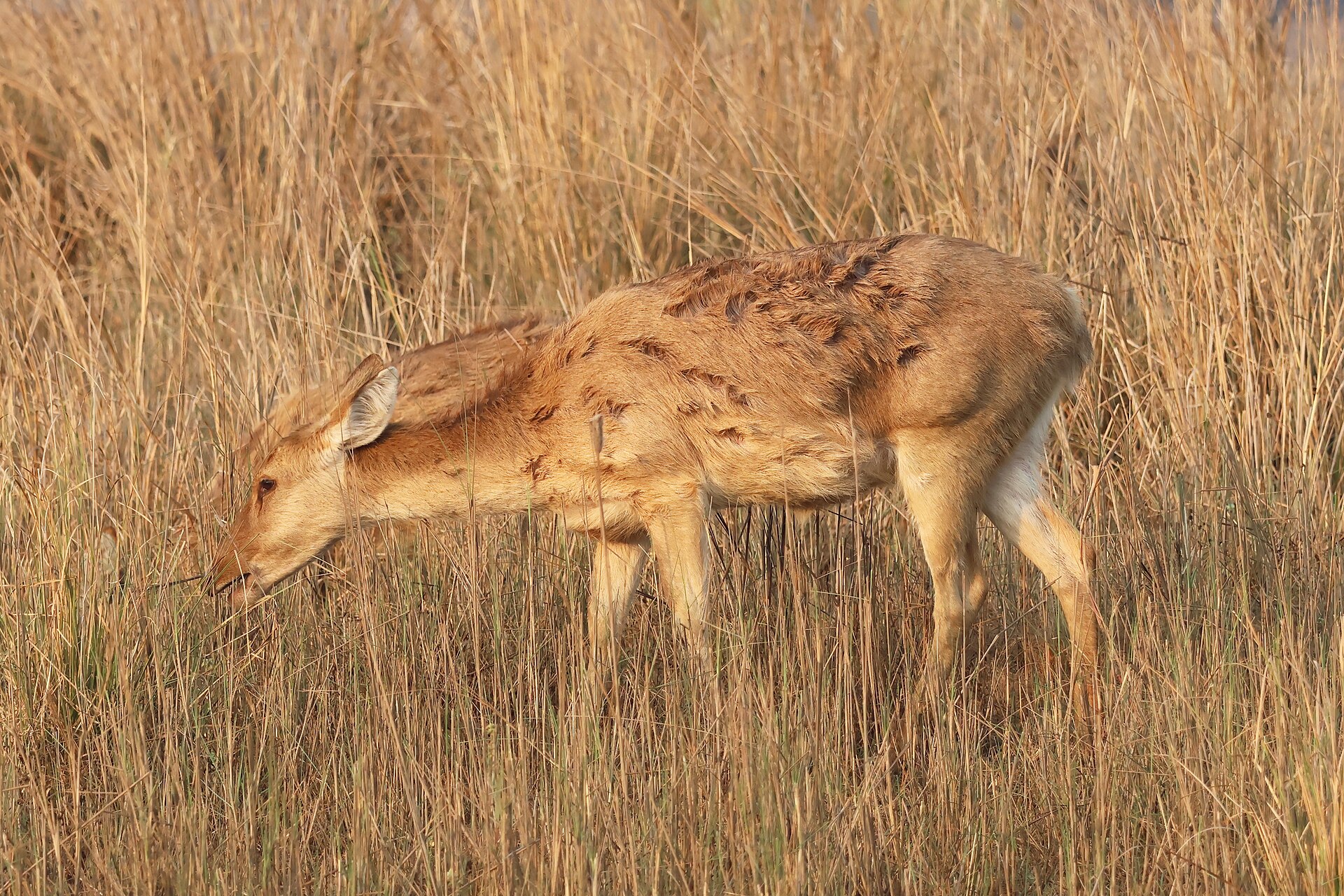
A few practical notes from the MP system. Bookings run on a rolling window, so the portal will also show the next 120 days opening each morning at 11:00. You need ID details for every person on the permit at the time of booking, and names cannot be changed later, so do not book with placeholder names. Core zones are closed on Wednesday evenings. Buffer zones stay open longer into the monsoon and are far easier to book, and honestly the buffer sightings at Bandhavgarh and Pench have been very good in recent seasons.
Which park for what: Bandhavgarh for the highest tiger density and the best odds on a short trip. Kanha for scale, sal forest and the barasingha, the swamp deer it saved from extinction. Pench for the Mowgli landscape and fewer crowds. Satpura for something different, since it is the one major MP park that allows walking safaris and boat safaris.
Also Read: Bandhavgarh National Park, Home of the Royal Bengal Tiger
Rajasthan: Ranthambore
Ranthambore closes for the monsoon from 1 July and reopens on 1 October 2026. It is the most convenient big-cat park in India for most travellers, roughly four hours from Jaipur by road and directly connected by train to Delhi.
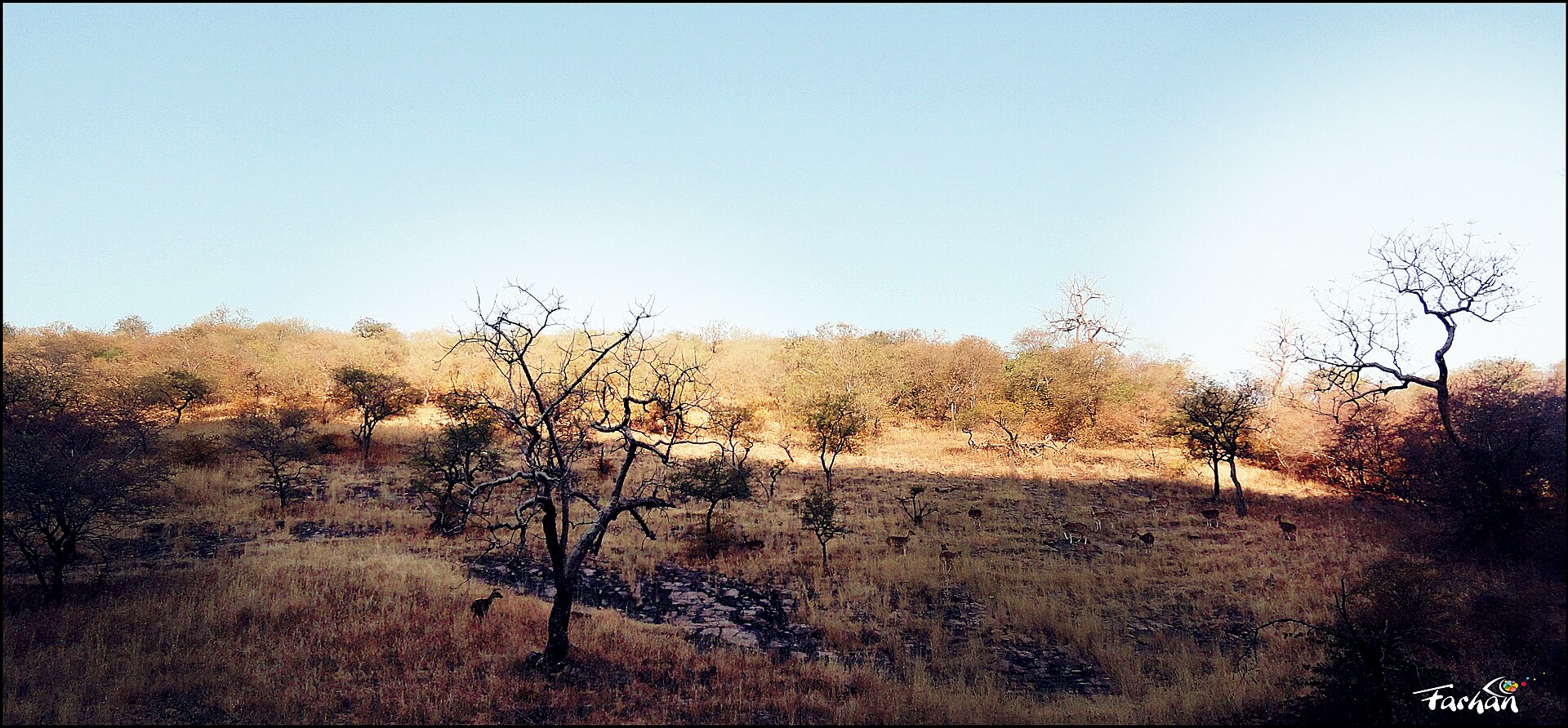
Ranthambore is divided into ten zones. Zones 1 to 5 are the classic core, with the lakes and the fort backdrop that produce the photographs everyone recognises, and they are the hardest to book. Zones 6 to 10 are less famous but have produced consistently good sightings in recent years and are far easier to get.
Two things to know. First, zone allocation on shared safaris is done by a computerised system, so you cannot simply pay more for zone 3 on a shared canter; private full-vehicle bookings give you more control at a higher price. Second, October is still green and humid here and the grass is high, which makes spotting harder. November through March is the better window, and April to June is the hottest but statistically the best for sightings because animals concentrate at water.
Also Read: Ranthambore National Park, Best Spot for Tiger Safari in India
Uttarakhand: Jim Corbett and Its Zone-by-Zone Dates
Corbett is the park people get wrong most often, because it does not have one reopening date. It has eight zones and three different schedules, and turning up expecting Dhikala in October is a common and expensive mistake.
These are the zone timings from the official Corbett Tiger Reserve site, with entry gates and nearest towns.
| Zone | Entry Gate | Open | Nearest Town |
|---|---|---|---|
| Jhirna | Dhela | All year | Ramnagar |
| Dhela | Dhela | All year | Ramnagar |
| Garjia | Garjiya | All year | Ramnagar |
| Bijrani | Amdanda | 15 Oct to 30 June | Ramnagar |
| Dhikala | Dhangari | 15 Nov to 15 June | Ramnagar |
| Durgadevi | Durgadevi | 15 Nov to 15 June | Ramnagar |
| Sonanadi | Vatanvasa | 15 Nov to 15 June | Kotdwar |
| Pakhro | Pakhro | 15 Nov to 15 June | Kotdwar |
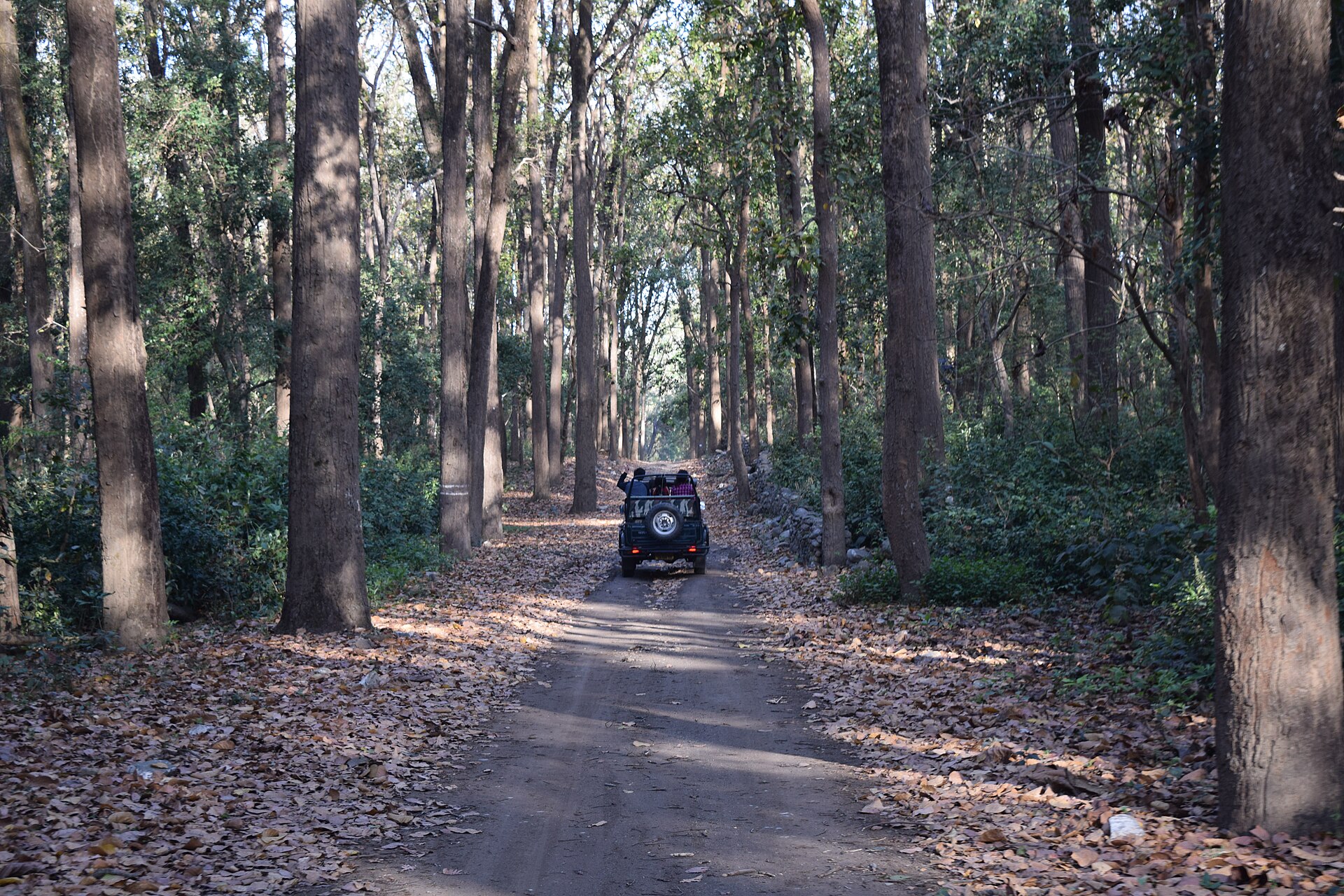
So for the October national parks reopening, your realistic options at Corbett are Jhirna, Dhela, Garjia and, from the 15th, Bijrani. Dhikala does not open until 15 November, and Dhikala is the one most people actually want, because staying overnight inside the forest rest house on the Ramganga grasslands is the signature Corbett experience.
Dhikala night stays are booked separately from day safaris and are genuinely hard to get. The reserve releases them in advance and they are gone quickly. Note also that Dhikala is a full-day or overnight commitment, not a two-hour drive.
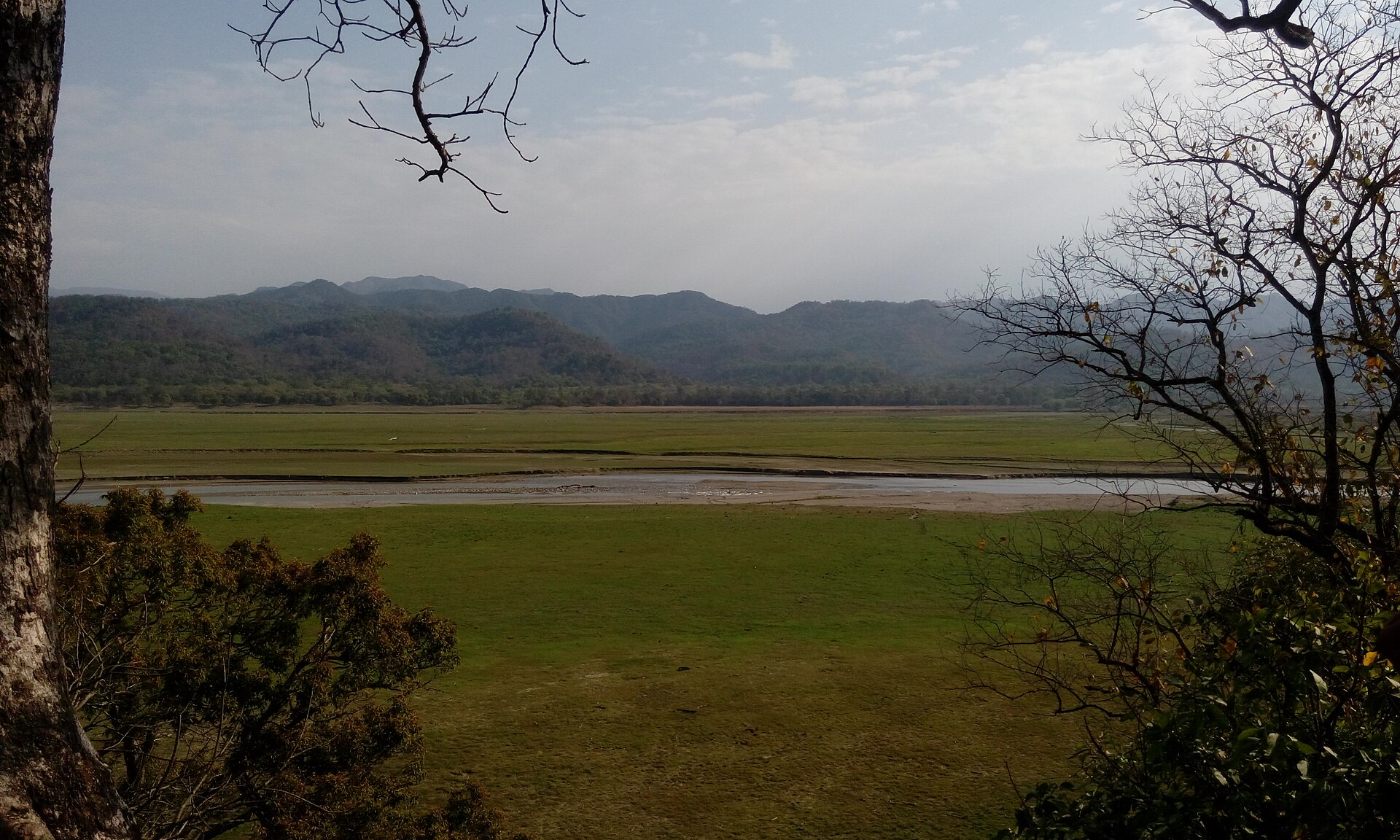
A warning worth taking seriously. Corbett’s official website carries a notice about booking scams, and asks visitors to book only through the official reserve site rather than through third-party agents. Corbett is one of the most heavily touted parks in India, and fake permit sites are a real problem. The reserve also publicly cancels night-stay bookings made under partial or false names, and it publishes the cancelled order numbers. Book in your own full name, on the official portal, and keep the confirmation.
Also Read: Jim Corbett National Park, Home to Bengal Tigers
Assam: Kaziranga
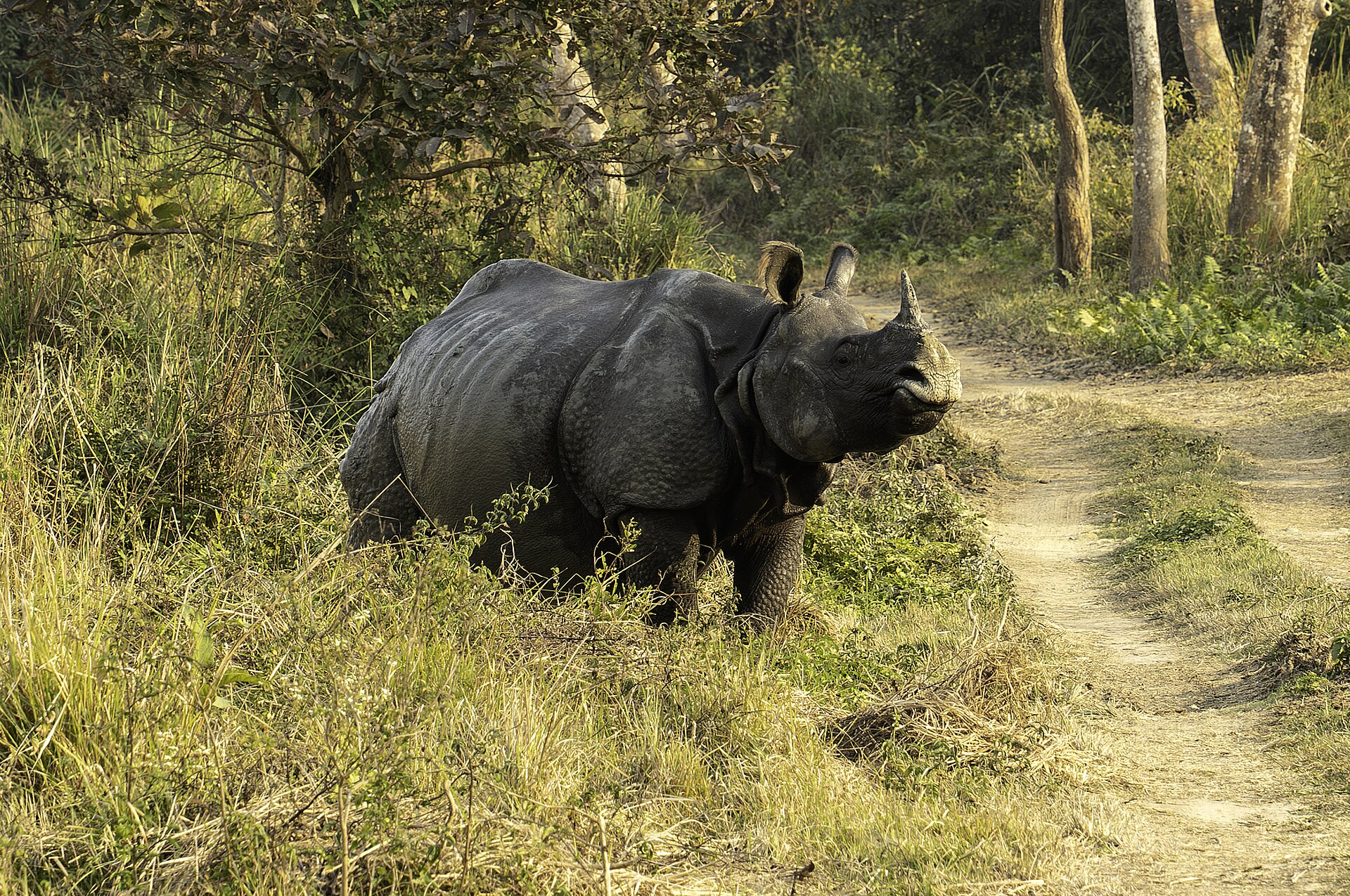
Kaziranga closes through the monsoon, when the Brahmaputra floods a large part of the park, and normally reopens around 1 November.
Here I have to be straight with you, because this is exactly where most articles state a date with more confidence than the evidence supports. At the time of writing, the Assam authorities had not published a confirmed 2026 reopening date, and the sources that do quote one contradict each other, some saying the park is closed May to October and others June to September. On top of that, last season Kaziranga opened part of the park early, with jeep safaris in the Bagori (Western) Range starting in late September.
What that means practically: plan for early November, but check with the Assam Forest Department or your lodge before you book flights, and do not be surprised if one range opens earlier than the rest. If you are going for the rhinos, Kaziranga holds roughly two thirds of the world’s greater one-horned rhinoceros population, and the Central (Kohora) Range is the classic first-timer’s choice.
Also Read: Kaziranga National Park, Home to the One-Horned Rhinoceros
How to Book a Safari Permit Without Getting Burned
Most of the frustration around Indian safari booking comes from a handful of avoidable mistakes. Here is what actually matters.
Book on the official state portal. Madhya Pradesh uses forest.mponline.gov.in. Corbett uses corbettgov.org, which states plainly that it is the only official site. Rajasthan handles Ranthambore through the state forest department’s own booking system. Everything else is an agent, and while good agents exist and are genuinely useful for lodges and transfers, plenty of sites are designed to look official and are not.
Know your release date, not just your travel date. This is the mistake that costs people the trip. MP releases November onwards on 1 September at 11:00 AM. If you plan a Bandhavgarh trip in December and start looking in November, the core zones will be gone.
Use exact ID names. Permits are tied to government ID and names cannot be edited afterwards. Corbett cancels night-stay bookings made with partial names, publicly. Carry the same ID you booked with.
Understand the vehicle types. A jeep or gypsy takes six people and can be booked privately or on a shared basis. Canters are larger shared buses, cheaper, and used heavily at Ranthambore. If you are serious about photography, book a full private jeep and take the window seats behind the driver.
Two safaris beat one. Sightings are luck. A single morning drive is a coin toss; three or four drives across two days changes the odds substantially. Build the trip around at least two full days in the park.
Morning over evening, usually. Morning drives are longer and cooler and animals are more active. Evening drives are shorter but can be excellent in summer when animals come to water.
Choosing Your Month After the National Parks Reopening
October and early November. The forest is at its greenest and most beautiful after the monsoon, the light is lovely, and the parks are quiet. The trade-off is thick vegetation and high grass, which makes spotting harder, plus some zones still closed.
November to February. The comfortable choice. Pleasant daytime temperatures, all zones open, good activity. Mornings in central India get genuinely cold in December and January, so carry a proper jacket for open-jeep drives, which surprises a lot of first-time visitors.
March to June. Hot, dusty, uncomfortable, and statistically the best time to see a tiger. Water sources shrink, the forest thins out, and animals concentrate. If sighting a tiger is the entire point of your trip, go in April or May and accept the heat.
July to September. Core zones closed almost everywhere. Buffer zones and the year-round Corbett zones stay open, and the landscape is spectacular, but this is not the season to plan a dedicated safari trip around.
What a Safari Trip Actually Costs
Safari costs after the national parks reopening vary a lot by park, vehicle and season, so treat these as planning ranges rather than quotes. A shared jeep safari per person typically runs in the low thousands of rupees, while a full private jeep for six, including permit, vehicle and a compulsory guide, generally runs several times that per drive. Foreign nationals pay higher permit rates than Indian citizens at every park. Accommodation is the bigger variable, from simple forest department rest houses and budget lodges near the gates to luxury properties that cost more per night than the entire safari component.
Budget for the guide tip, which is customary and appreciated, and remember that camera fees have been dropped at some parks and retained at others. Check current rates on the official portal when you book, because permit fees are revised periodically.
Beyond the Big Five Parks
If the famous parks are full when the national parks reopening rush starts, and in peak season they will be, India has excellent alternatives that are far easier to book. Satpura in Madhya Pradesh offers walking and boat safaris. Tadoba in Maharashtra has become one of the most reliable tiger parks in the country. Bandipur and Nagarhole in Karnataka combine tigers with elephants and are a comfortable drive from Bengaluru or Mysuru. Sunderbans in West Bengal is a completely different proposition, a mangrove delta explored by boat. Gir in Gujarat is the only place on earth to see Asiatic lions in the wild.
Also Read: 11 Best Wildlife Safari Tours in India
Frequently Asked Questions
When is the national parks reopening date in India for 2026?
Most parks reopen on 1 October 2026, including Kanha, Bandhavgarh, Pench and Ranthambore. Corbett staggers its national parks reopening by zone, with Bijrani from 15 October and Dhikala from 15 November, while Kaziranga usually follows at the start of November.
Why do Indian national parks close in the monsoon?
The closure from roughly July to September covers the monsoon and the breeding season. Tracks become impassable, and the break gives wildlife an undisturbed period to raise young. Buffer zones and a few year-round zones stay open.
How far in advance should I book a safari permit?
As early as the portal allows. Madhya Pradesh released November onwards permits on 1 September, and popular core zones sell out within minutes. For a peak-season trip, book the day permits are released rather than the month before you travel.
Can I book a safari after I arrive at the park?
Sometimes, but do not plan around it. A limited number of current-day permits are released at some parks, and lodges can occasionally help, but core zones in peak season are booked out well in advance.
Are the parks open on all days of the week?
Not always. Core zones in Madhya Pradesh are closed on Wednesday evenings, and individual reserves may close on specific days or for festivals. Check the official portal for your dates before booking flights.
Before You Book
National parks reopening dates and booking rules do change, and forest departments occasionally shift them at short notice for weather or management reasons. Everything above was taken from the official portals, but confirm on the day you book. The three sites worth bookmarking are the Madhya Pradesh Forest Department booking portal, the official Corbett Tiger Reserve site, and your destination state’s forest department page.
The national parks reopening calendar rewards people who plan early. If you take one thing from this article, make it the alarm for 1 September at 11:00 AM for Madhya Pradesh’s November onwards release. That single booking window decides whether most people get the safari they wanted or the one that was left over.