

Guys, if there is one festival in Europe that every traveller should experience at least once, it is Oktoberfest in Munich. I am not saying this because it is famous. I am saying it because nothing prepares you for the scale of it. Around six million people come to one open ground in Munich over 16 days, sit at long wooden tables with total strangers, and sing songs in a language most of them do not speak.
In 2026 the festival runs from 19 September to 4 October. The dates shift a little every year, but the pattern is fixed. It always starts on a Saturday in the second half of September and ends on the first Sunday of October. So if you are planning a Europe trip for late September, you can build the whole itinerary around it.
This guide is written for first timers, and especially for Indian travellers. I will cover how the tents actually work, whether you need a reservation, what a day honestly costs, what vegetarians can eat, and the visa and booking timelines that matter. Two honest warnings from my side before we start. Accommodation prices in Munich triple during the festival, and the tents are loud, packed and very drunk by late afternoon. Plan for both.
What Exactly Is Oktoberfest?
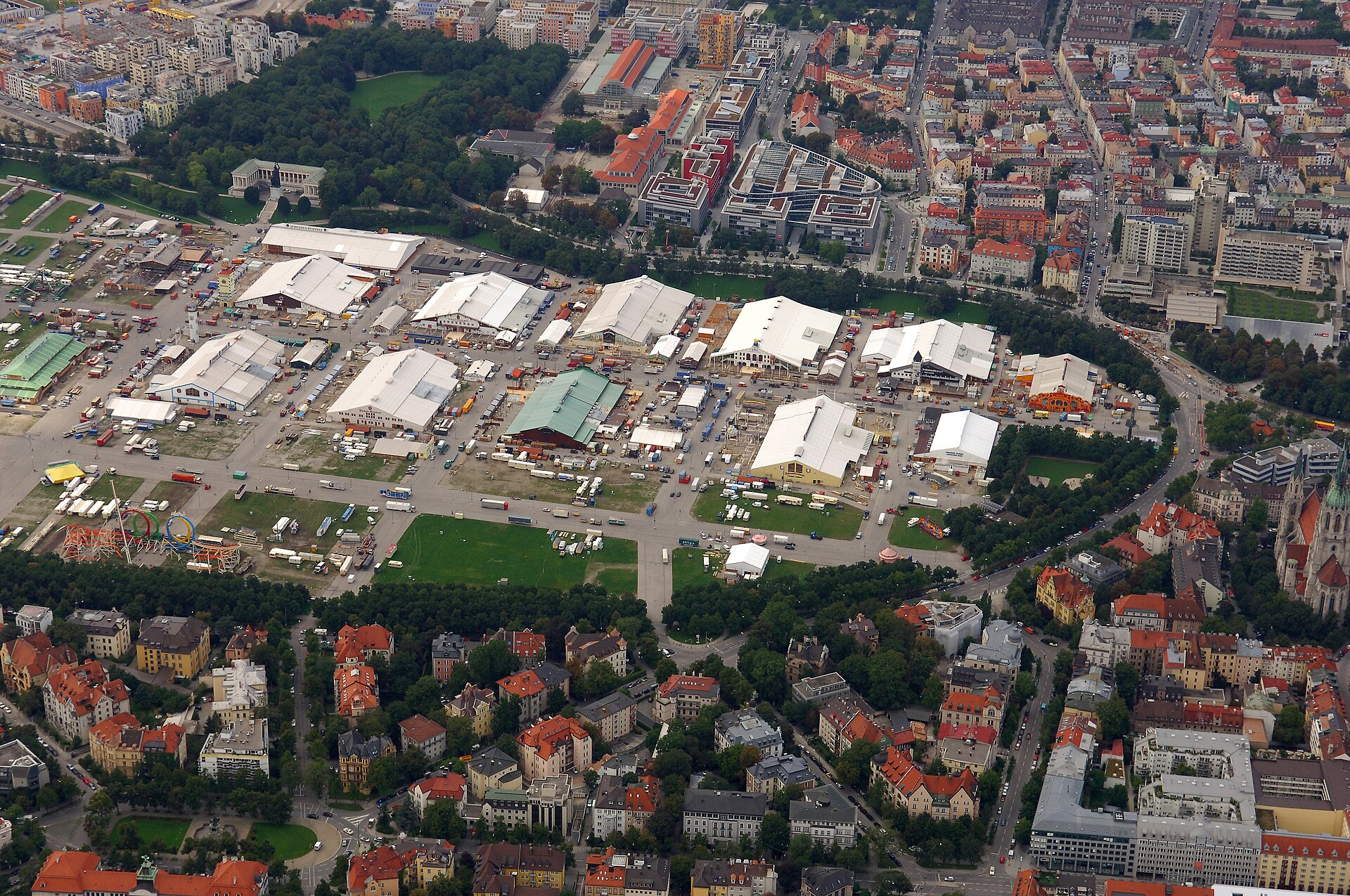
Locals call it die Wiesn, after Theresienwiese, the 42 hectare ground where it happens. The first one was held in October 1810 to celebrate the wedding of Crown Prince Ludwig of Bavaria, and the party simply never stopped. Over two centuries it grew into the largest folk festival in the world, a mix of giant beer halls, fairground rides, roast chicken and brass bands.
One rule keeps it authentic. Only six Munich breweries are allowed to serve here: Augustiner, Hacker-Pschorr, Hofbraeu, Loewenbraeu, Paulaner and Spaten. Each big tent pours beer from exactly one of them, brewed slightly stronger for the festival. There is no entry fee for the grounds or the tents. You pay only for what you eat, drink and ride, which surprises most first timers. Munich itself deserves a couple of extra days too, and I have covered the city separately in my Munich culture and Oktoberfest guide.
Oktoberfest Dates, Timings and the Opening Ceremony
The festival opens at noon on the first Saturday, when the Mayor of Munich taps the first keg in the Schottenhamel tent and shouts O’zapft is, which means it is tapped. Not a single beer is served anywhere on the grounds before that moment. If you want to witness the opening, reach the tents by 9 am. Locals queue from 7.
On weekdays the tents serve from 10 am to 10.30 pm, and the grounds stay open till 11.30 pm. On weekends everything starts at 9 am. My honest suggestion is to go on a Tuesday or Wednesday morning. You get the same beer, the same bands and half the crowd. By 3 pm on any Saturday the big tents shut their doors because they are full, and you will be standing outside wondering why you did not listen.
The Beer Tents: Where Should a First Timer Sit?
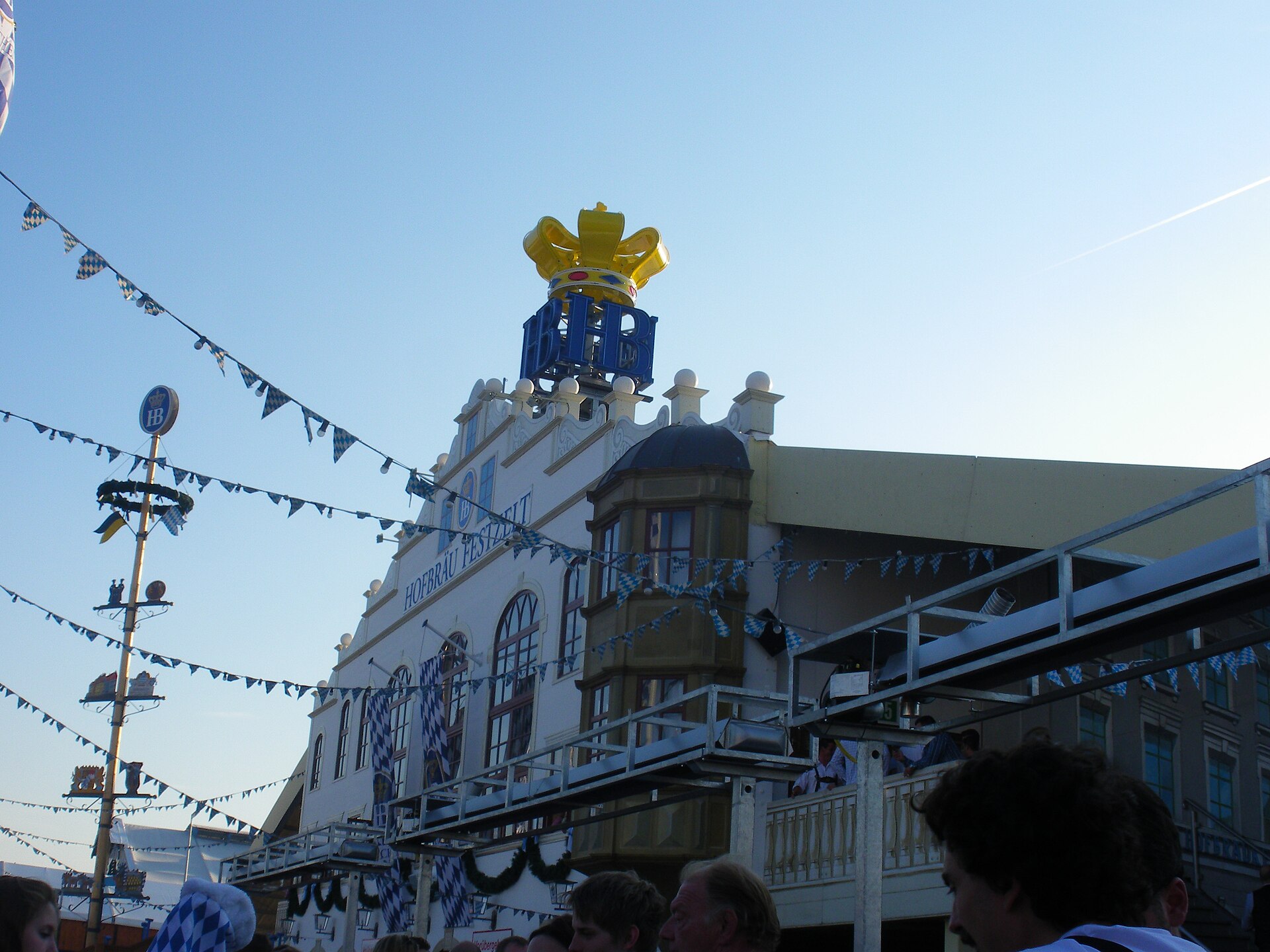
There are 17 big tents and around 21 smaller ones, and each has its own character. Hofbraeu Festzelt is the one international visitors flock to. It holds close to 10,000 people and has the only standing area in front of the band, so it is the rowdiest room on the grounds. Great fun once, but not the place for a quiet conversation.
Hacker-Pschorr’s tent, painted with clouds and nicknamed the Heaven of Bavaria, is my pick for atmosphere. Augustiner-Festhalle is where Munich families go, and the beer still comes from wooden barrels. Schottenhamel is the historic one where the first keg is tapped. If a tent is full, do not stand at the door arguing with security. Walk two minutes to the next one. Nobody visits only one tent anyway.
Do You Need a Reservation?
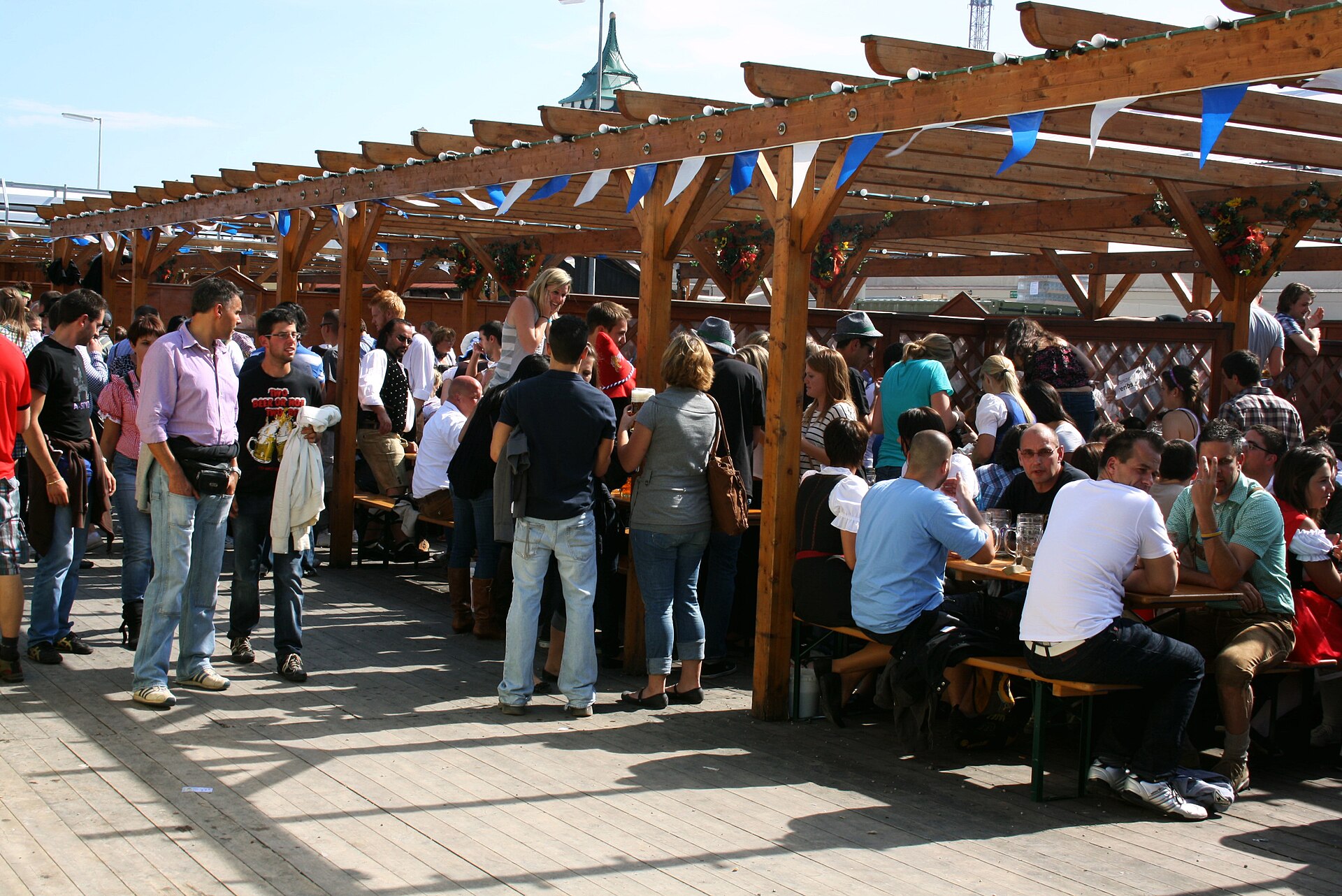
No, and I want to be clear about this because agents in India sell Oktoberfest packages as if entry is ticketed. It is not. Tents keep a quarter of their seats free for walk-ins by law, and the beer gardens outside every tent are entirely first come, first served. Reservations themselves cost nothing. You only buy food and drink vouchers in advance, usually worth 30 to 40 euros per seat, and tables are booked in blocks of 8 to 10 directly on each tent’s own website from spring.
For a couple or a small group visiting on a weekday, walking in before noon works almost every time. Come as a group of ten on a Saturday evening with no reservation, and you will be drinking in the outdoor garden, weather permitting. One more thing: you are only served beer if you are seated. Standing and ordering does not work, so finding a bench is the actual game.
What Oktoberfest Actually Costs
Entry is free, but the festival is not cheap. A Mass, the one litre mug that is the only size served, costs roughly 14.80 to 15.90 euros depending on the tent, which is about Rs 1,500. Half a roast chicken, the classic Wiesn meal, is around 20 to 22 euros. A giant pretzel is 6 to 8 euros. Add a couple of rides at 5 to 12 euros each, and a full day comfortably crosses 80 to 100 euros per person.
Waiters expect a small tip, so hand over 16 euros for a Mass and you are fine. Carry cash. Most tents now take cards, but the queues move faster with notes, and the smaller food stalls are still cash first. There are ATMs on the grounds, with festival crowds around every one of them.
Inside the Tents: What It Is Actually Like
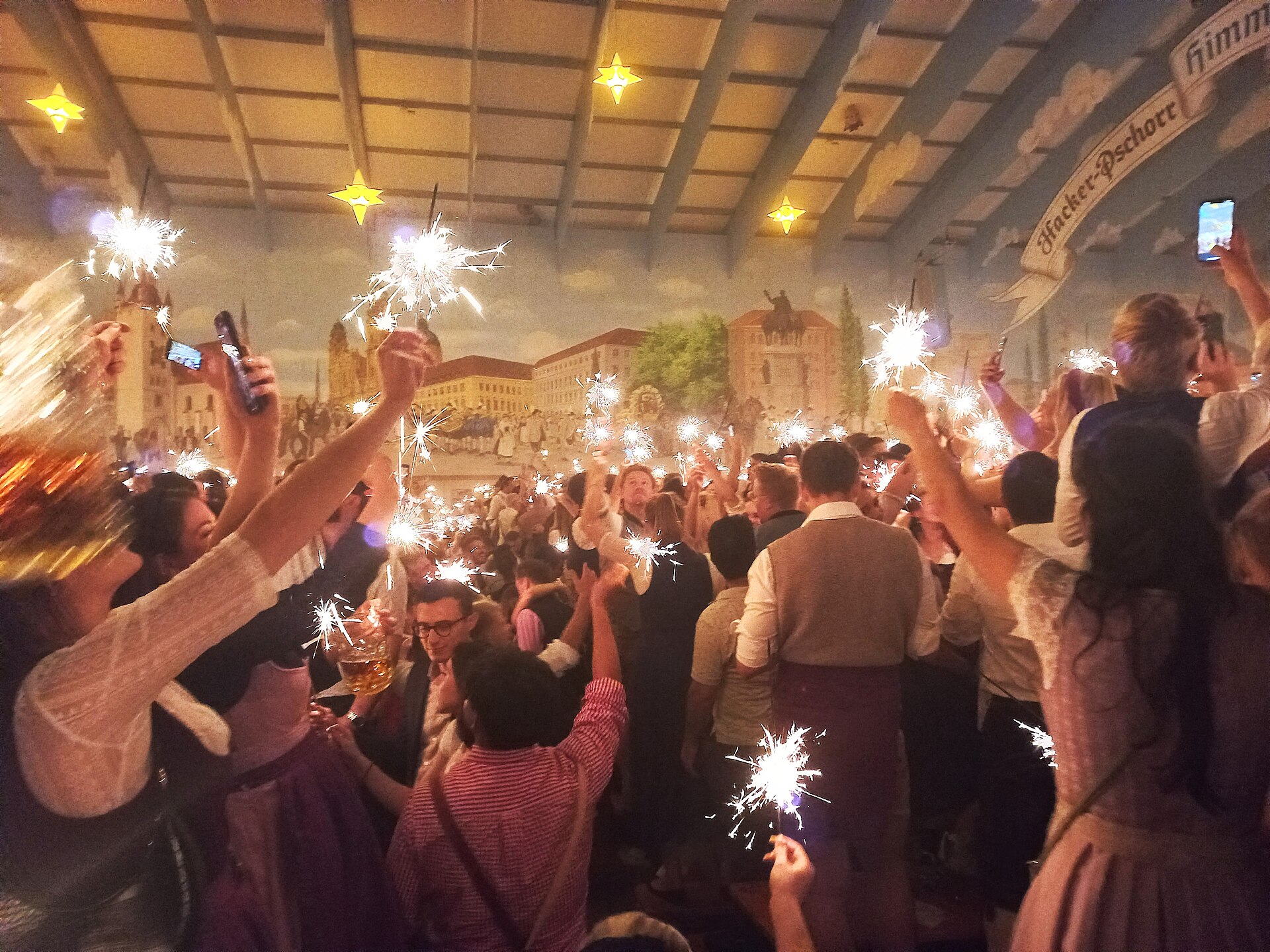
Every tent has a brass band that plays a mix of Bavarian classics and pop covers. Roughly every twenty minutes they play Ein Prosit, and the entire hall of thousands stands up, clinks mugs and drinks together. You will know the song by your second Mass whether you want to or not.
Etiquette is simple. Standing on the bench is fine and everyone does it. Standing on the table gets you thrown out. Clink mugs at the base, look people in the eye, and never wave money at the waiters. If the noise gets too much, the Oide Wiesn section at the southern end charges 4 euros entry and recreates the festival as it looked a century ago, with old rides, calmer music and families. It is genuinely the nicest corner of the grounds by evening.
Vegetarian Food at the Wiesn
This matters for a lot of Indian travellers, so let me say it clearly. You will not go hungry as a vegetarian. Kaesespaetzle is the dish to order, a Bavarian version of mac and cheese with crispy fried onions, filling and available in every tent. Beyond that there are giant pretzels, potato soup, cheese platters called Obatzda, corn on the cob, roasted almonds and about a dozen dessert stalls. Vegan options have grown every year too. What you should not expect is anything Indian, and honestly, do not look for it. Eat Bavarian for a day.
How to Reach Oktoberfest from India
Lufthansa flies direct to Munich from Delhi, Mumbai and Bengaluru, with one-stop options on Air India, Emirates, Qatar Airways and Etihad usually cheaper. Return fares in late September hover around Rs 55,000 to 75,000 if booked two to three months out. You need a Schengen visa, and September is peak application season, so apply at least six to eight weeks before you fly. Germany is a brilliant country to build a longer trip around, and my Germany travel guide covers what to pair with Bavaria. Berlin is an easy four hour train ride away.
Within Munich, take the U4 or U5 metro to Theresienwiese station and you surface at the gates. Do not book a hotel near the grounds unless money is no object. Stay anywhere along the U-Bahn network, even 20 minutes out, and you will save half the room rate. Book accommodation the moment your dates are fixed. Rooms for the festival window start selling out by early summer.
Day Trips If You Have Extra Days
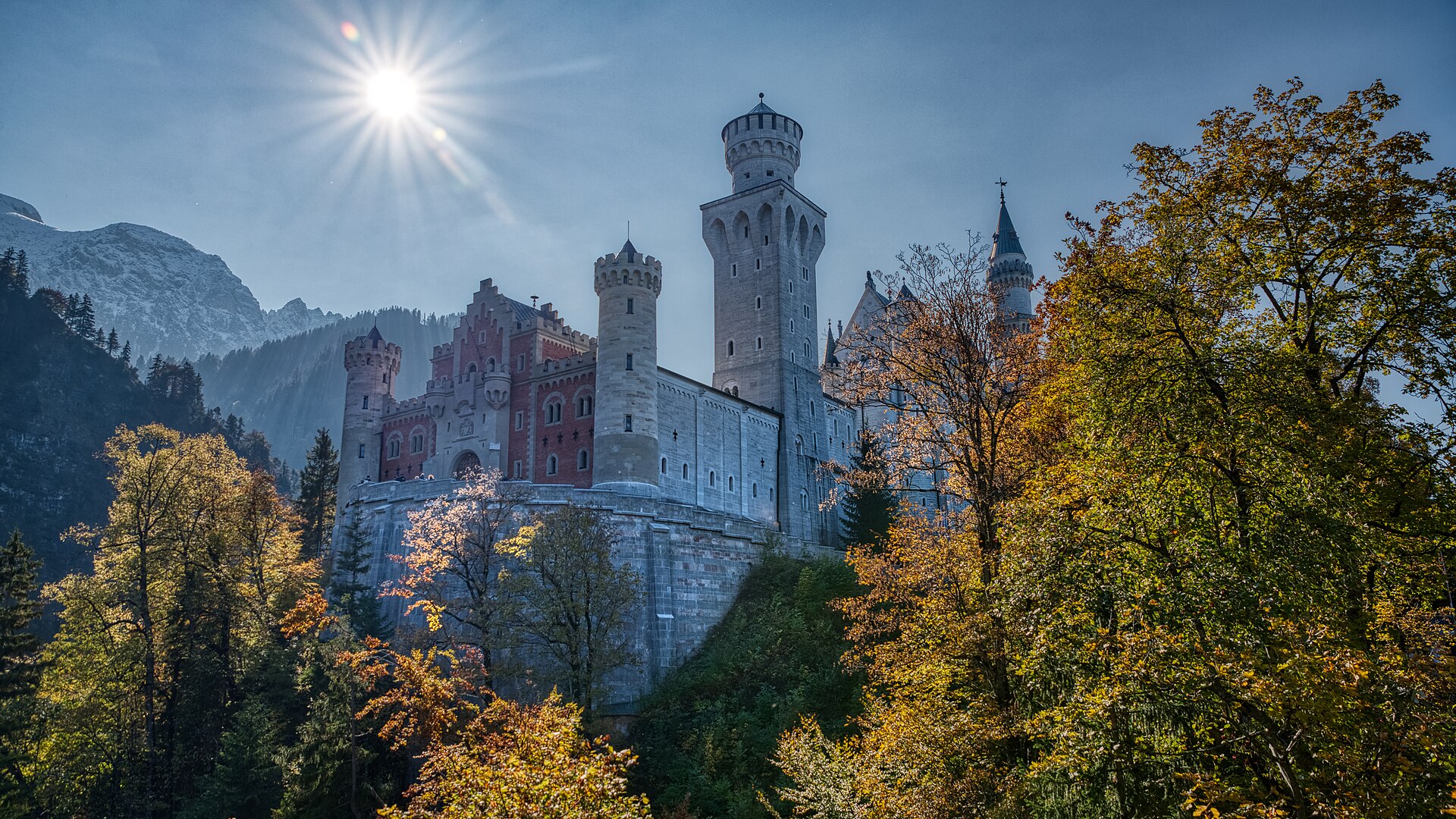
Munich is the perfect base for southern Bavaria. Neuschwanstein, the castle that inspired Disney, is two hours away and looks unreal against the autumn colours of late September. I have written about it among the most beautiful castles in the world, and it earns that spot. Salzburg in Austria is under two hours by train, and the Zugspitze, Germany’s highest peak, makes a great clear-day excursion. Book Neuschwanstein entry slots online in advance. Walk-up tickets are usually gone by mid-morning in this season.
Weather, Packing and Family Days
Late September in Munich is proper autumn. Daytime temperatures sit between 12 and 18 degrees, nights drop to 6 to 8, and a couple of rainy days in your week are almost guaranteed. Carry a light jacket and shoes you can stand in for hours. The tents are warm inside, so layers work better than one heavy coat. Cloakrooms at the tent entrances store bags for a couple of euros, and note that large backpacks are not allowed on the grounds at all.
Travelling with kids? Both Tuesdays are official family days until 7 pm, with ride and food prices cut roughly in half. The fairground half of the Wiesn is a full amusement park with a giant ferris wheel, toboggan slides and a historic flea circus, so children genuinely enjoy the place. Mornings are stroller friendly. After 6 pm, the mood turns adult quickly, and I would plan to be heading out with the family by then.
Travel Tips for First Timers
- Go on a weekday morning. It is the single best decision you can make at the Wiesn.
- Buy or rent traditional dress if you like, but nobody will judge jeans and a shirt. Avoid the cheap costume versions sold online, locals notice.
- Keep your phone and wallet in front pockets. Pickpockets work the crowds every year.
- Eat before your first Mass. The festival beer is stronger than it tastes.
- Download the official Oktoberfest app for tent maps and live capacity updates, and check oktoberfest.de for tent booking links.
- The last beer is served around 10.30 pm. Trains run all night on weekends, so getting home is easy.
- Sunday and Monday mornings after the big weekends are the quietest slots of the whole festival.
Oktoberfest is one of those experiences that sounds overrated until you are standing on a bench with a litre of beer, singing along to a song you learned an hour ago. Go once, do it properly, and you will understand why six million people keep coming back. Pair it with a castle, a mountain and a couple of Bavarian towns, and late September in Germany becomes a trip you will talk about for years. If a longer Europe swing is on your mind, my guide to the best places to visit in England pairs well with a Munich trip on the same Schengen-plus-UK itinerary.