

Rann Utsav is back, and this time the dates are out well in advance. The official Tent City at Dhordo runs from 1 November 2026 to 7 March 2027, and bookings are already open on the official website. If you have been putting off the white desert trip for years, this is the season to actually do it, because the booking window for full moon nights closes faster than most people expect.
I have put this guide together from the official Rann Utsav sources, the Gujarat government’s permit portal, and the practical details that most articles skip, like what the entry permit costs and whether you even need to stay in the Tent City at all. Honest answers, verified numbers, no recycled last-year information.
Guys, one thing before we start. The white Rann is not a place you squeeze into a two-hour halt. Plan at least one night, ideally around a full moon, and the desert will repay you properly.
Rann Utsav 2026-27: Quick Facts
| Detail | Information |
|---|---|
| Season dates | 1 November 2026 to 7 March 2027 |
| Venue | Tent City, Dhordo village, Kutch district, Gujarat |
| Packages start from | Rs 6,300 (1 night), Rs 12,600 (2 nights), Rs 18,900 (3 nights) |
| White Rann entry permit | Rs 100 per adult, Rs 50 for children 6 to 12, plus Rs 25 to 50 per vehicle |
| Nearest airport / railhead | Bhuj, roughly 80 to 85 km from Dhordo |
| Best nights | Full moon nights: around 24 Nov, 23 Dec, 22 Jan and 20 Feb |
What Exactly Is Rann Utsav?
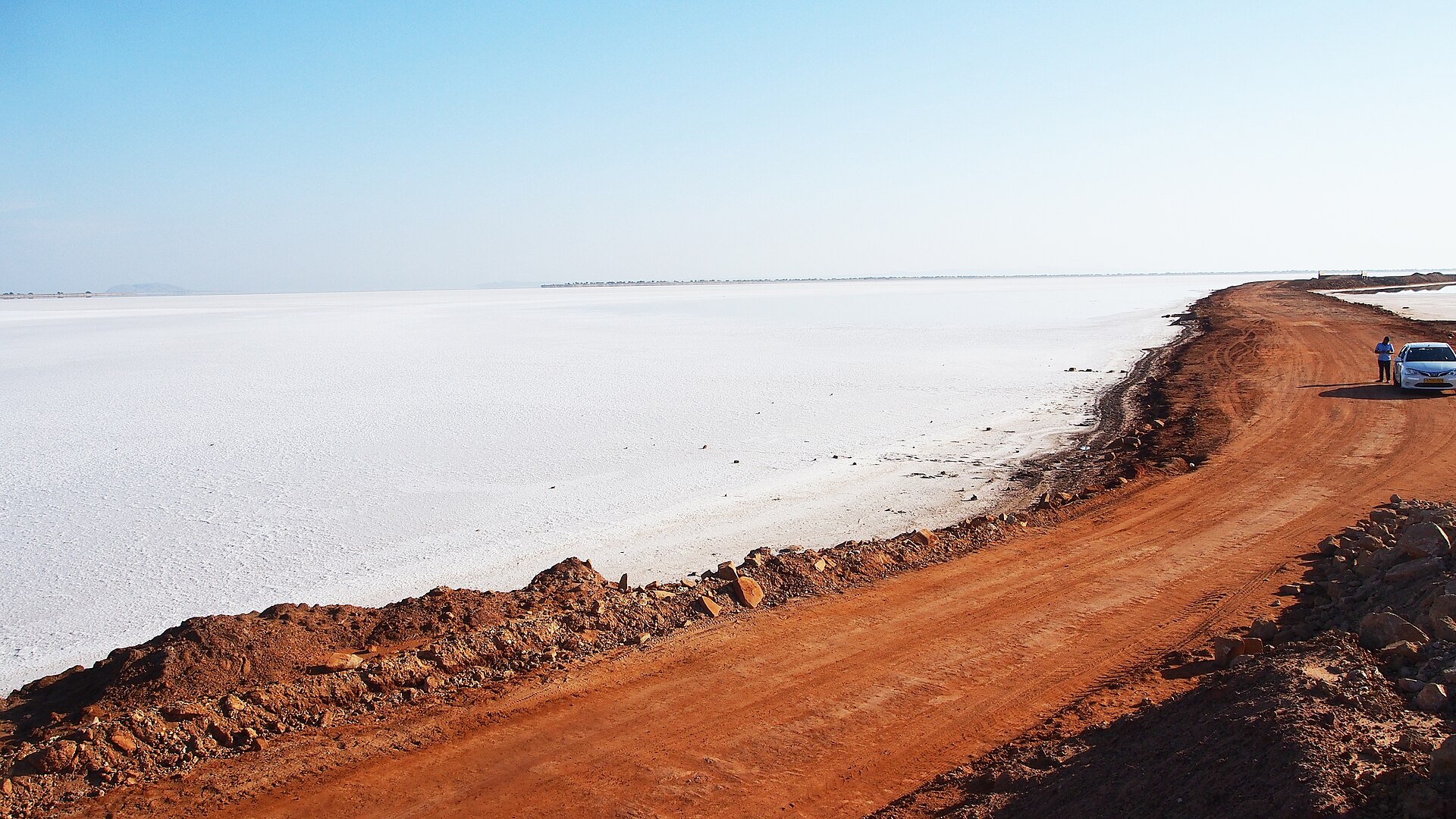
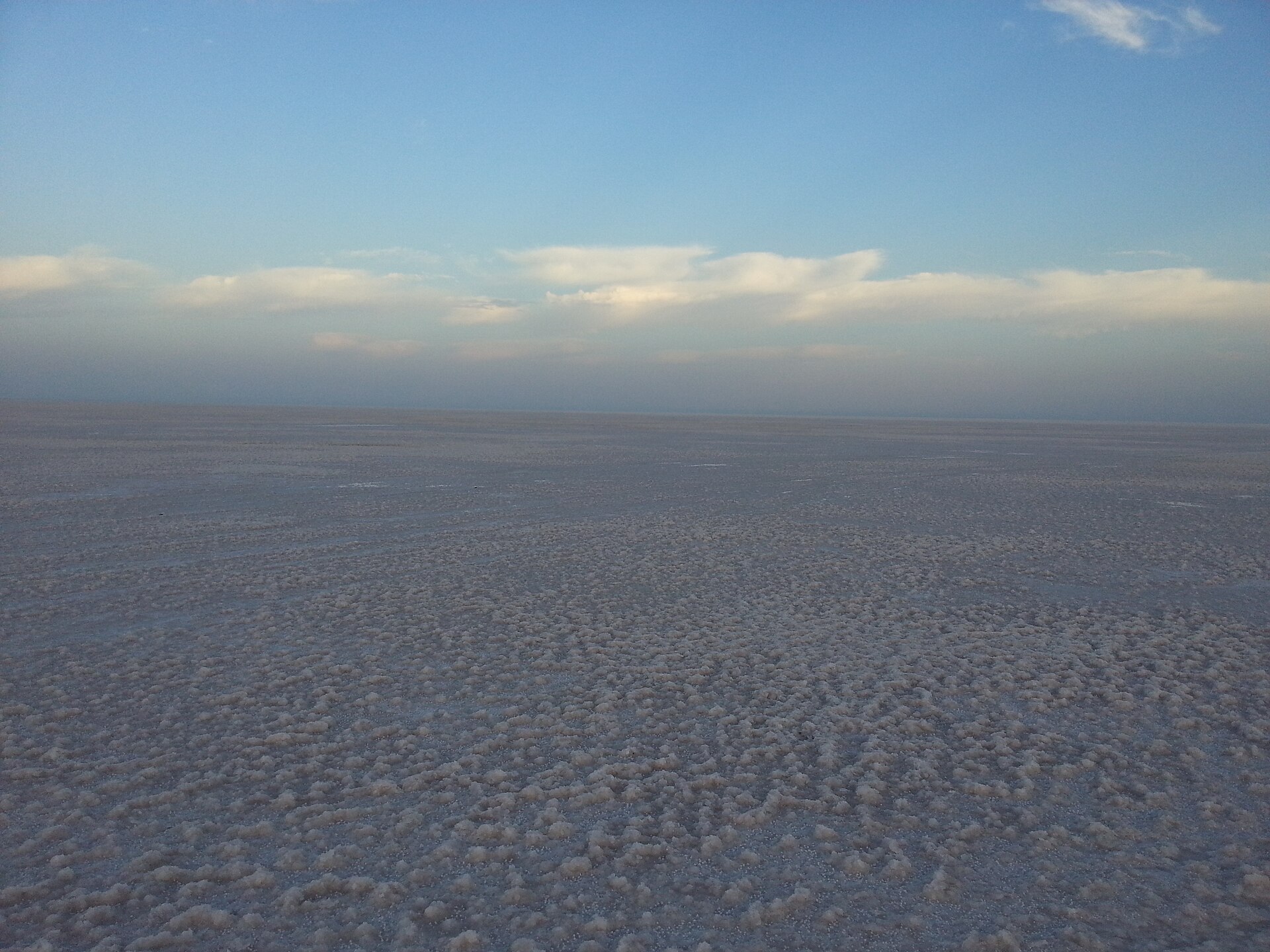
The Great Rann of Kutch is a salt marsh that floods in the monsoon and dries out by late autumn, leaving behind a crust of white salt that stretches flat to the horizon in every direction. Under a full moon it glows like snow. It is one of the strangest and most beautiful landscapes in India, and for most of the year it is simply empty.
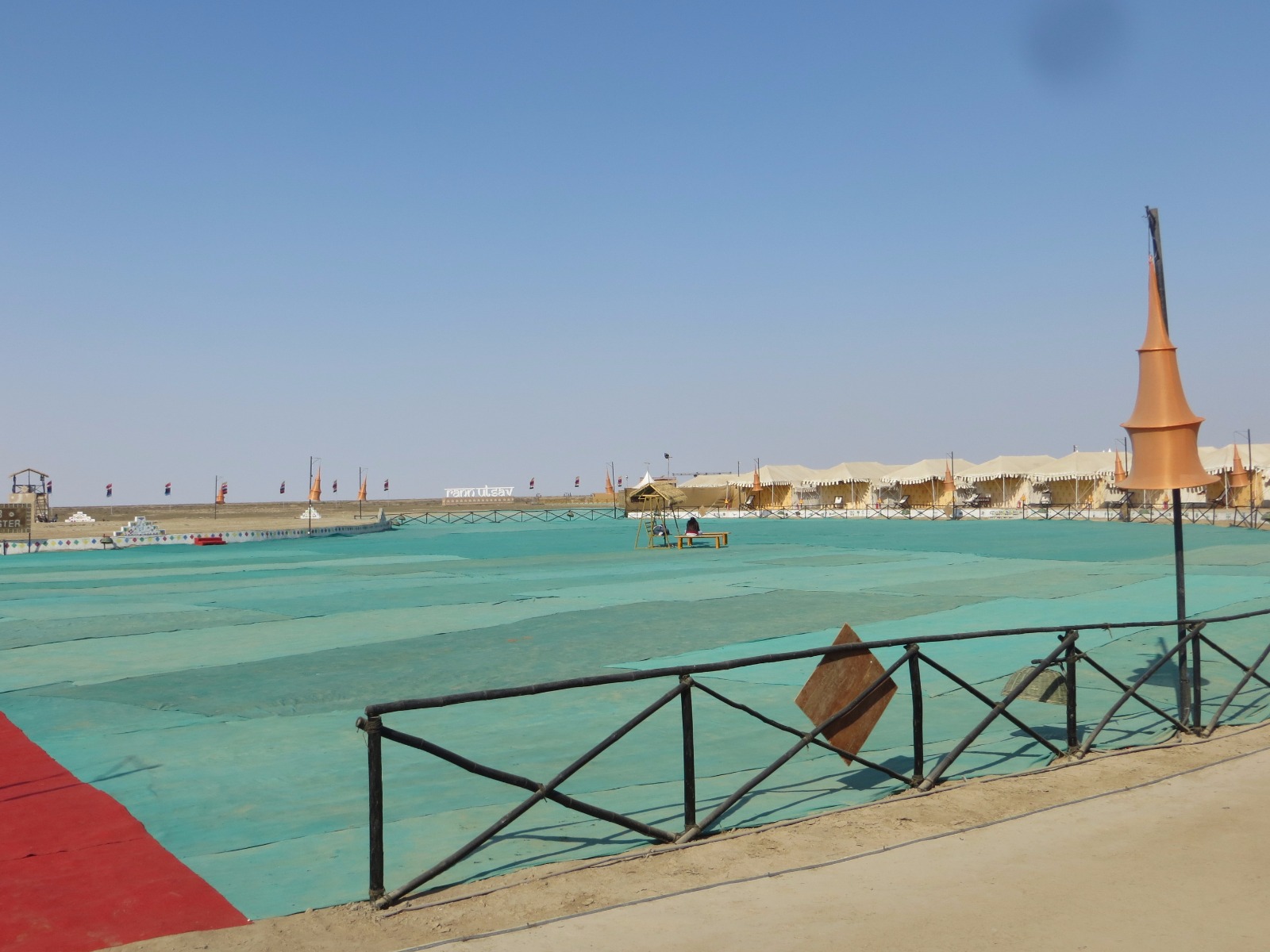
Rann Utsav is the festival Gujarat Tourism builds around this landscape every winter. A full tent township comes up at Dhordo, the last village before the salt flats, with cultural performances, folk music, craft bazaars, adventure activities and food courts. The festival began as a three-day event in 2005 and has grown into a four-month season.
Dhordo itself earned a serious honour in 2023, when the UN World Tourism Organisation named it one of the world’s Best Tourism Villages. For a village of a few hundred people on the edge of a salt desert, that is not a small thing.
Rann Utsav Dates and Full Moon Nights
The season runs 1 November 2026 to 7 March 2027. Within that window, demand is not even. The Rann is at its best on and around full moon nights, when the salt turns silver and you can walk far out onto the flats in near-daylight brightness. These are the nights that sell out first, and they are also when tent prices run highest.
The full moon nights falling inside this season are around 24 November (which is also Kartik Purnima), 23 December, 22 January and 20 February. The exact glow is superb for two or three nights on either side too, so do not panic if the purnima itself is booked out. New moon nights have their own reward: the darkest skies of the season for stargazing.
Two honest warnings from my side. Late December is peak crowd, peak price, and the Christmas to New Year stretch books out months ahead. And November right after opening can still be slightly warm in the daytime, though the white crust is usually well formed by mid-November.
Tent City Packages and Prices
The official Tent City at Dhordo lists its 2026-27 packages as starting from Rs 6,300 for 1 night and 2 days, Rs 12,600 for 2 nights and 3 days, and Rs 18,900 for 3 nights and 4 days. Treat these as starting rates for the base tent category. Premium and Super Premium tents, better locations, and full moon or holiday dates all push the price up from there, sometimes steeply.
Packages at the Tent City are generally inclusive of meals and the standard sightseeing programme, which is a big part of why they cost more than a plain hotel room in Bhuj. Confirm exactly what your package includes at booking time, especially transfers, because inclusions change between categories and seasons.
How to book: use the official website rannutsav.com or the toll-free helpline 1800 233 9008. There are plenty of lookalike websites and agents selling marked-up or unofficial packages, so double-check you are on the official site before paying. If a deal looks dramatically cheaper than the official rates, that is your signal to slow down, not speed up.
What Happens at Rann Utsav
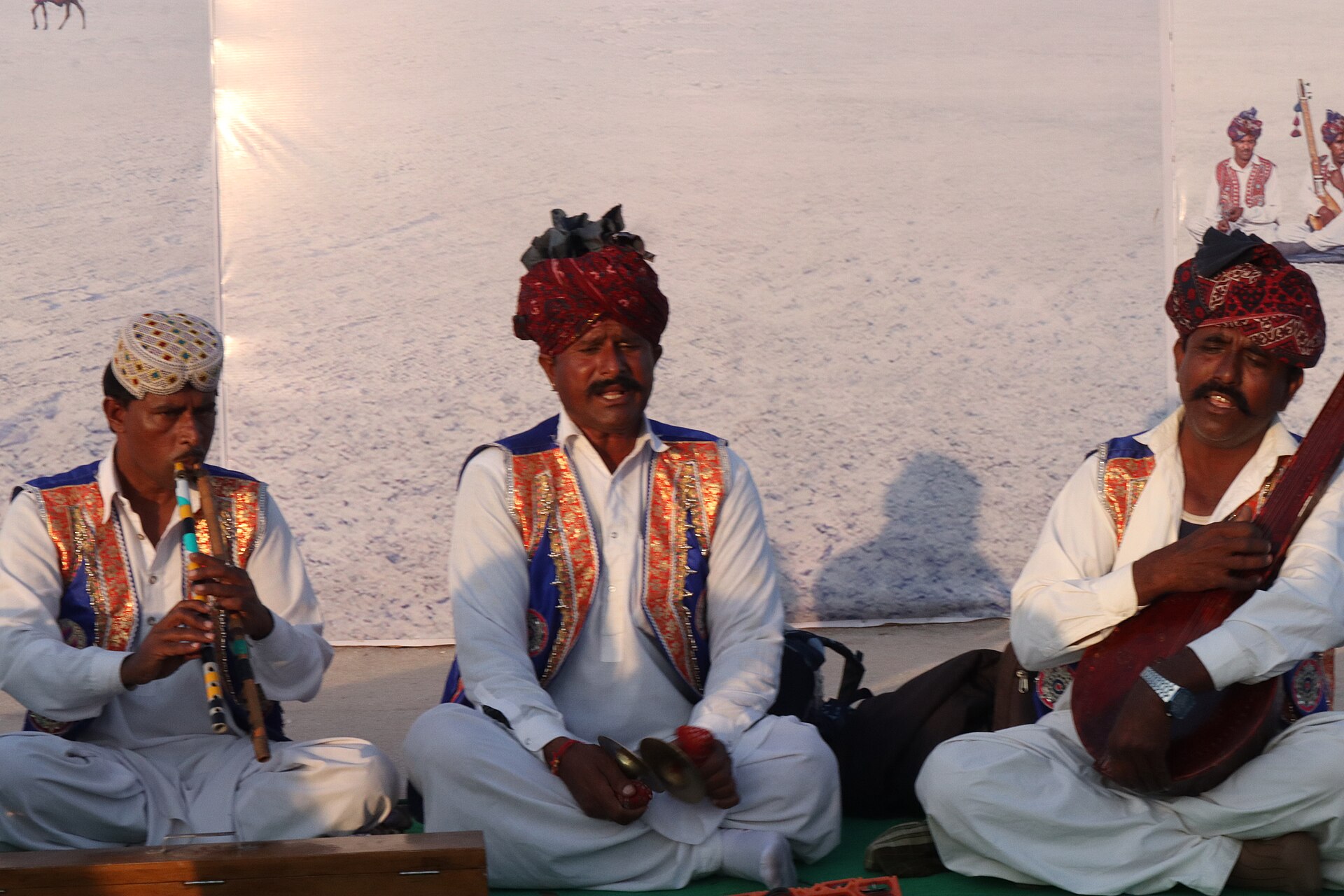
Evenings are the heart of it. Kutchi and Gujarati folk musicians and dancers perform as the sun drops, and the whole township lights up after dark. Through the day there are camel carts and ATV rides on the edge of the Rann, tethered hot air balloon and paramotoring operators in most seasons, a craft bazaar where artisans from the surrounding villages sell embroidery, bandhani, leather work and lacquer work, and food stalls serving proper Gujarati and Kutchi thalis.
The rhythm most visitors settle into is simple. Late afternoon, head out onto the white Rann for sunset. Come back for the cultural programme and dinner. Then walk out again at night if the moon is up. Sunrise on the salt flats is quieter than sunset and honestly just as good.
The Entry Permit Nobody Tells You About
Everyone who visits the White Rann needs an entry permit, whether or not they stay at the Tent City. The fee at the time of writing is Rs 100 per adult and Rs 50 for children aged 6 to 12, with kids under 5 free, plus Rs 25 for a two-wheeler or Rs 50 for a car. You can buy it online at rannpermit.gujarat.gov.in or at the Bhirandiyara check post on the road from Bhuj, where you will be stopped and asked for it.
Buy it online in advance. The check post queue on December weekends is exactly as much fun as it sounds, and you need valid photo ID either way.
Beyond the Tents: What Else to See in Kutch
The White Rann itself
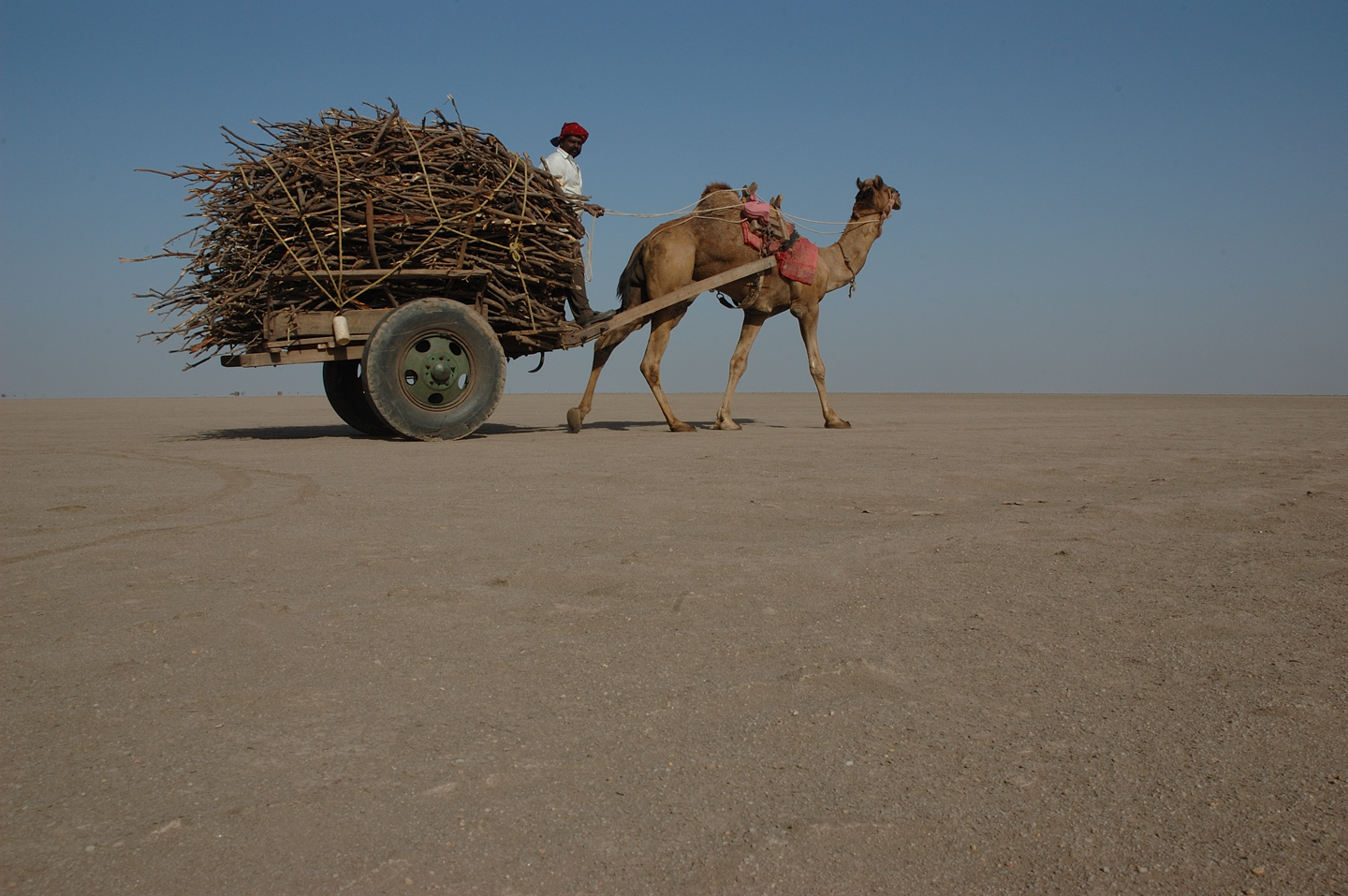
The viewing point beyond Dhordo is where the camel carts drop you at the edge of the salt. Walk. Keep walking until the crowd thins, which takes about ten minutes, and then just stand there. That is the whole activity, and it is worth the entire trip.
Kalo Dungar
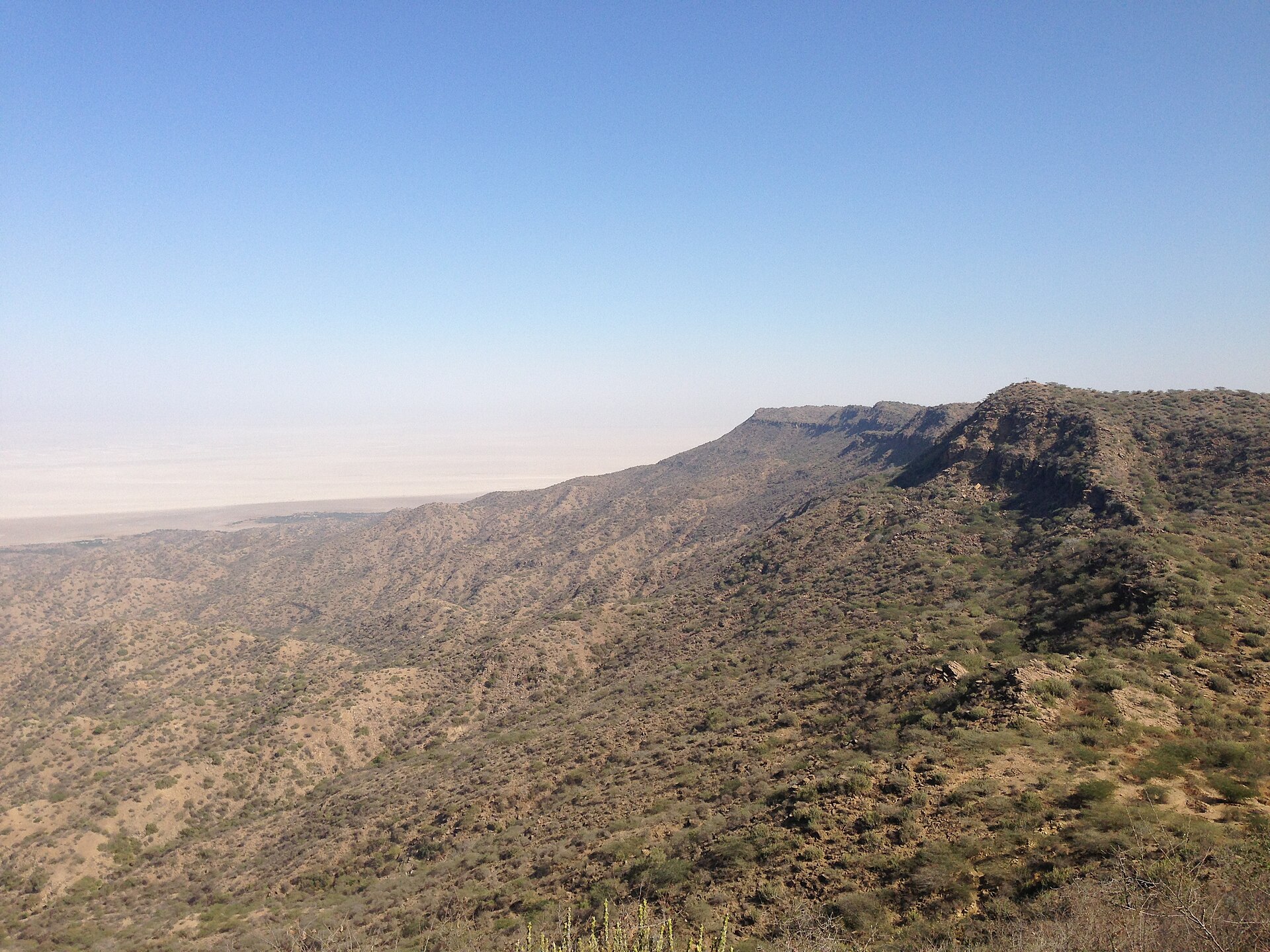
The Black Hill is the highest point in Kutch at around 458 metres, about an hour from Dhordo. From the top you get the only elevated view of the Great Rann, an enormous white sheet running to the horizon, and on clear days you can see towards the Pakistan border. The 400-year-old Dattatreya temple sits at the summit.
Dholavira
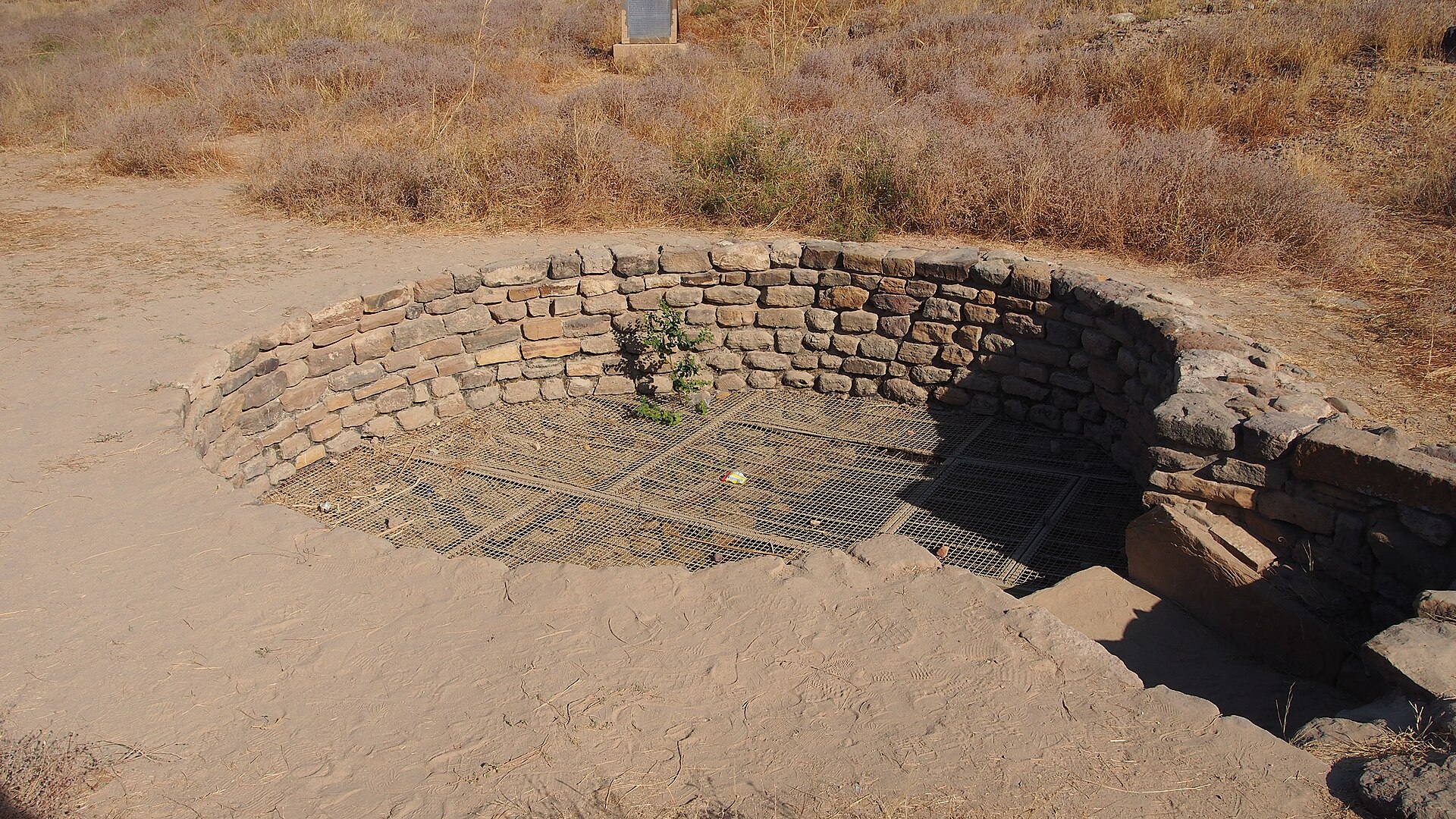
If you have a spare day, drive out to Dholavira, one of the largest Harappan cities ever excavated and a UNESCO World Heritage Site since 2021. Walking through 4,500-year-old streets, reservoirs and gates, with the salt desert shimmering beyond the ruins, is a genuinely different experience from any fort or palace circuit in India. It is a long drive, roughly 3.5 to 4 hours from Dhordo via the Road to Heaven causeway, so start early.
Craft villages and Bhuj
Kutch is one of India’s great craft regions. Nirona village is famous for rogan art, a rare castor-oil paint technique practised by a single family, along with copper bell making. Bhujodi is the weaving village, and Ajrakhpur is the centre of ajrakh block printing. In Bhuj itself, the Aina Mahal and Prag Mahal palaces and the old market reward half a day. Also Read: Mandvi: Port Capital of Gujarat, about 90 minutes from Bhuj, if you want a beach and shipbuilding yard to finish the trip.
Do You Actually Need the Tent City?
Honest answer: no, and it depends entirely on what you want from the trip.
The Tent City is the full festival experience. You sleep a short ride from the salt flats, the cultural programme happens around you, and everything is arranged. You pay for that convenience, and on peak dates you pay a lot for it.
The budget alternative to a Rann Utsav tent package is to stay in Bhuj, where decent hotels cost a fraction of a tent package, and drive out to the Rann for sunset and the evening. It is about 80 to 85 km each way, so it makes for a long evening, but plenty of travellers do exactly this. In between the two options are the village resorts and homestays around Hodka and Dhordo, run by local families, which give you traditional bhunga huts, home-cooked Kutchi food and far more local character than the big township. I would pick a Hodka homestay over a base-category tent without thinking twice, and the money stays in the village.
Whichever you choose, the white Rann at sunset is the same white Rann. The permit costs Rs 100 either way.
How to Reach Dhordo
By air: Bhuj airport is the nearest, around 80 to 85 km from Dhordo, with flights connecting through Mumbai. Ahmedabad has far better connectivity from the rest of India and is roughly 400 km away, a 7 to 8 hour drive.
By train: Bhuj is the railhead, connected to Mumbai, Ahmedabad and Delhi by direct trains. From Bhuj station, taxis and shared vehicles run towards Dhordo; Tent City packages usually offer pickup as an add-on.
By road: The Bhuj to Dhordo road is excellent and takes under two hours. If you are driving from Ahmedabad, break the journey sensibly. Also Read: Everything You Need to Know About Beautiful Ahmedabad if you are building a longer Gujarat circuit, and Dwarka if you are heading towards the coast afterwards.
Rann Utsav Weather and What to Pack
Kutch in winter is a desert doing desert things. Days are pleasant to warm, around 25 to 28 degrees in December and January, and nights get genuinely cold, regularly dropping under 10 degrees on the flats. Carry proper woollens for the evenings, not just a light jacket, because you will be standing in open salt desert with nothing to block the wind.
Also pack sunglasses and sunscreen, because white salt reflects sunlight from below as well as above, closed shoes for the crunchy salt crust, a power bank, and cash for the craft stalls and village purchases, since card acceptance is patchy outside the Tent City and network coverage comes and goes.
Travel Tips for Rann Utsav
- Book full moon and December holiday dates as far ahead as you can. These sell out first, every single year.
- Buy the White Rann entry permit online before you travel and keep photo ID handy at the check post.
- Stay for sunset, dinner, and then go back out onto the Rann at night. Most day visitors leave after sunset and miss the best part.
- Sunrise on the salt flats is uncrowded and beautiful. Set the alarm once.
- Carry water when you walk out on the Rann. There is nothing out there, which is the point, but it also means there is nothing out there.
- Do not drive onto the salt crust. Vehicles get bogged in the soft patches every season.
- Respect the border area rules. The Rann runs up to the India-Pakistan border and some stretches need special permission.
Frequently Asked Questions
When is Rann Utsav in 2026-27?
The official Tent City season runs from 1 November 2026 to 7 March 2027 at Dhordo, Kutch. The white desert itself is at its best from mid-November to the end of February.
How much does Rann Utsav cost per person?
Official Tent City packages start from Rs 6,300 for one night, Rs 12,600 for two nights and Rs 18,900 for three nights, rising with tent category and date. A budget trip staying in Bhuj can be done for far less, with the Rann entry permit at just Rs 100 per adult.
Which are the best dates to visit?
Full moon nights, around 24 November, 23 December, 22 January and 20 February in the 2026-27 season. Two or three nights either side of the full moon are nearly as good and easier to book.
Is one night at Rann Utsav enough?
One night covers the essentials: sunset, the cultural evening and the night walk on the salt. Two nights lets you add Kalo Dungar and the craft villages without rushing, which is the trip I would actually recommend.
Can I visit the White Rann without booking the Tent City?
Yes. Buy the entry permit, drive out from Bhuj or a nearby homestay, and the desert is yours. The Tent City is the festival township, not the gatekeeper to the landscape.
Worth It? Completely.
Some destinations underdeliver against their photographs, and I half expected Rann Utsav to be one of them. The white Rann does the opposite, because no photo really conveys the scale of standing on a flat white sheet that runs unbroken to the curve of the earth. Verify the dates, book the permit, pick your moon night, and go. And if this is your first Kutch trip, keep a day spare, because the region around the festival is at least as rewarding as the festival itself. The white desert also features in our Top 20 Indian Tourist Destinations bucket list, and having stood on it, I would put it higher.
Also Read: Plan a Small Getaway to Rann of Kutch This Winter