

Japan takes its autumn leaves so seriously that the country’s first official foliage forecast makes national news every September. This year’s first bulletin is out, and it carries a warning for Indian travellers in particular. Autumn in Japan is running late in 2026, and the famous places are peaking even further from Diwali week than usual. If you have already booked Kyoto for early November expecting red mapleautumn in Japan
s, you need to read this before you lock your itinerary.
Here is the short version. Autumn in Japan sweeps across the country over ten weeks, north to south, and the postcard cities peak at the very end of that wave. Kyoto’s forecast peak this year is around 11 December. Diwali falls on 8 November. That is a month of daylight between your holiday and those photos, and no amount of hoping will move the trees.
The good news is that early November is a genuinely brilliant time for autumn in Japan, just not where most Indian itineraries point. Get the geography right and Diwali week can put you under flaming maples with half the crowds of Kyoto. This guide explains how the season works, what the new forecast says, and exactly where to aim.
Autumn in Japan Moves the Opposite Way to the Cherry Blossoms
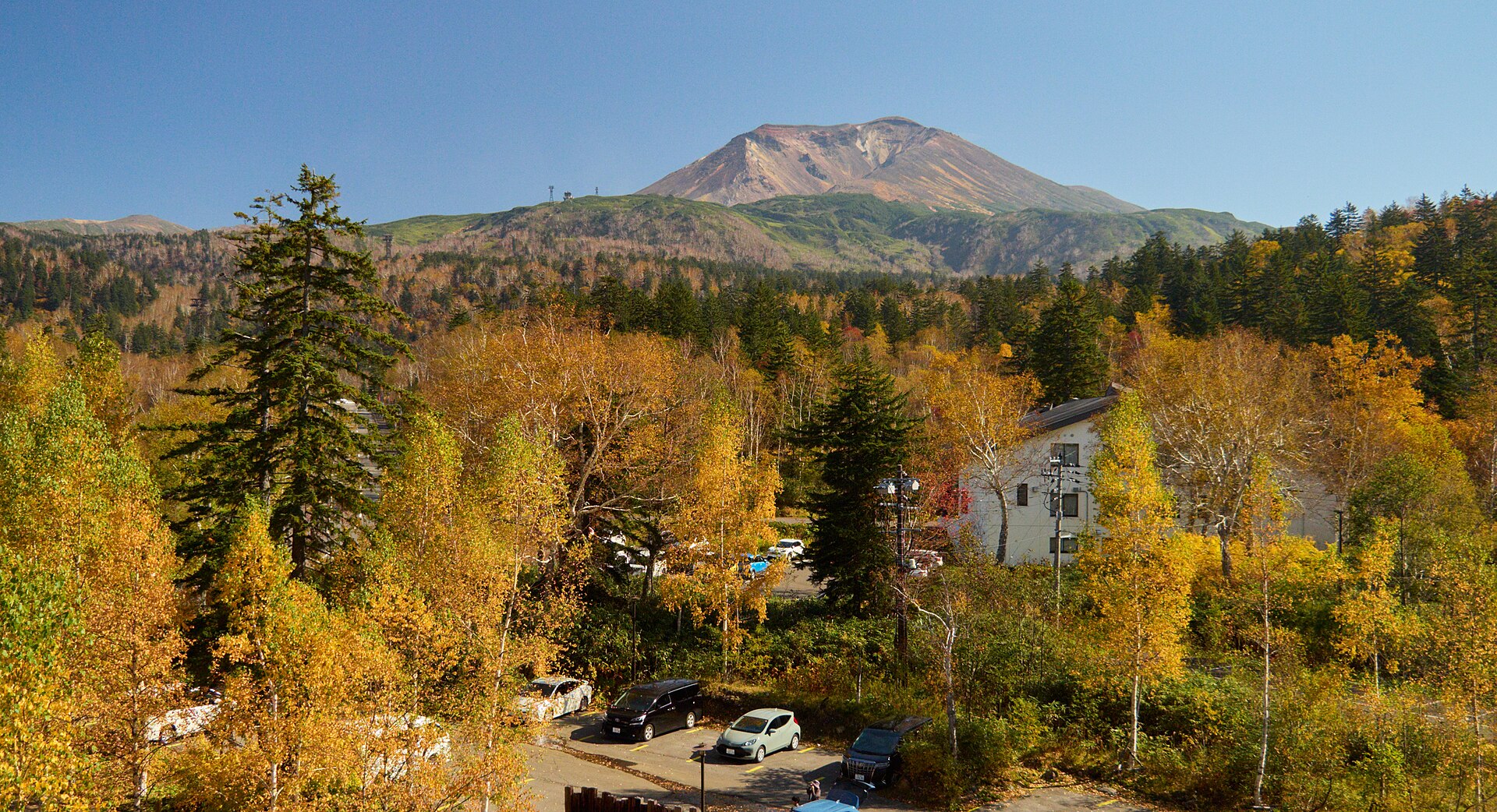
Everyone knows the sakura front, which blooms south to north each spring. The koyo front, the autumn wave, runs the other way. It starts in mid September on the high volcanoes of Hokkaido, where Asahidake in Daisetsuzan National Park is usually Japan’s first blaze of colour, then rolls south and downhill for nearly three months. Mountains turn before cities, the north turns before the south, and Kyoto, sitting low and far south, is one of the last dominoes to fall.
This is why a two week Japan trip almost always catches good colour somewhere. The skill is not in timing the whole country. It is in knowing which rung of the ladder your dates land on, then pointing your hotel bookings at that rung.
What the First 2026 Forecast Says
The Japan Meteorological Corporation released its first koyo forecast of the season in early September, and the headline is a late year. Above average autumn temperatures are pushing peak dates behind their usual calendar. The key predictions so far, updated roughly monthly through the season:
| Place | Forecast peak (2026) | Versus average |
|---|---|---|
| Sapporo (Hokkaido) | 7 November | About 10 days late |
| Nagano (Japanese Alps) | 21 November | About 9 days late |
| Tokyo | 29 November | Later than usual |
| Osaka | 4 December | Later than usual |
| Kyoto | 11 December | Well behind average |
Treat these dates as a weather forecast, not a promise. The JMC revises them three or four times before December, and a sudden cold snap can pull everything forward by a week. Check the updated bulletin on tenki.jp’s koyo pages or the JMC site a fortnight before you fly. What will not change is the order: Hokkaido first, Kyoto last.
The Diwali Problem Nobody Warns You About
Diwali 2026 runs from 6 to 10 November, and it is the single most popular week for Indian families to experience autumn in Japan. Travel agents happily sell Tokyo plus Kyoto packages for exactly these dates with maple leaves all over the brochure. Look at the table above and you can see the issue. In Diwali week, Tokyo’s trees will be mostly green, and Kyoto will be weeks from turning. You would be standing in the right country in the wrong postcode.
I am not saying cancel. I am saying rebuild the route. The same flights, the same dates, and a different set of trains put you in genuinely peak colour. Here is where the wave actually is in the first ten days of November.
Where Diwali Week Actually Works
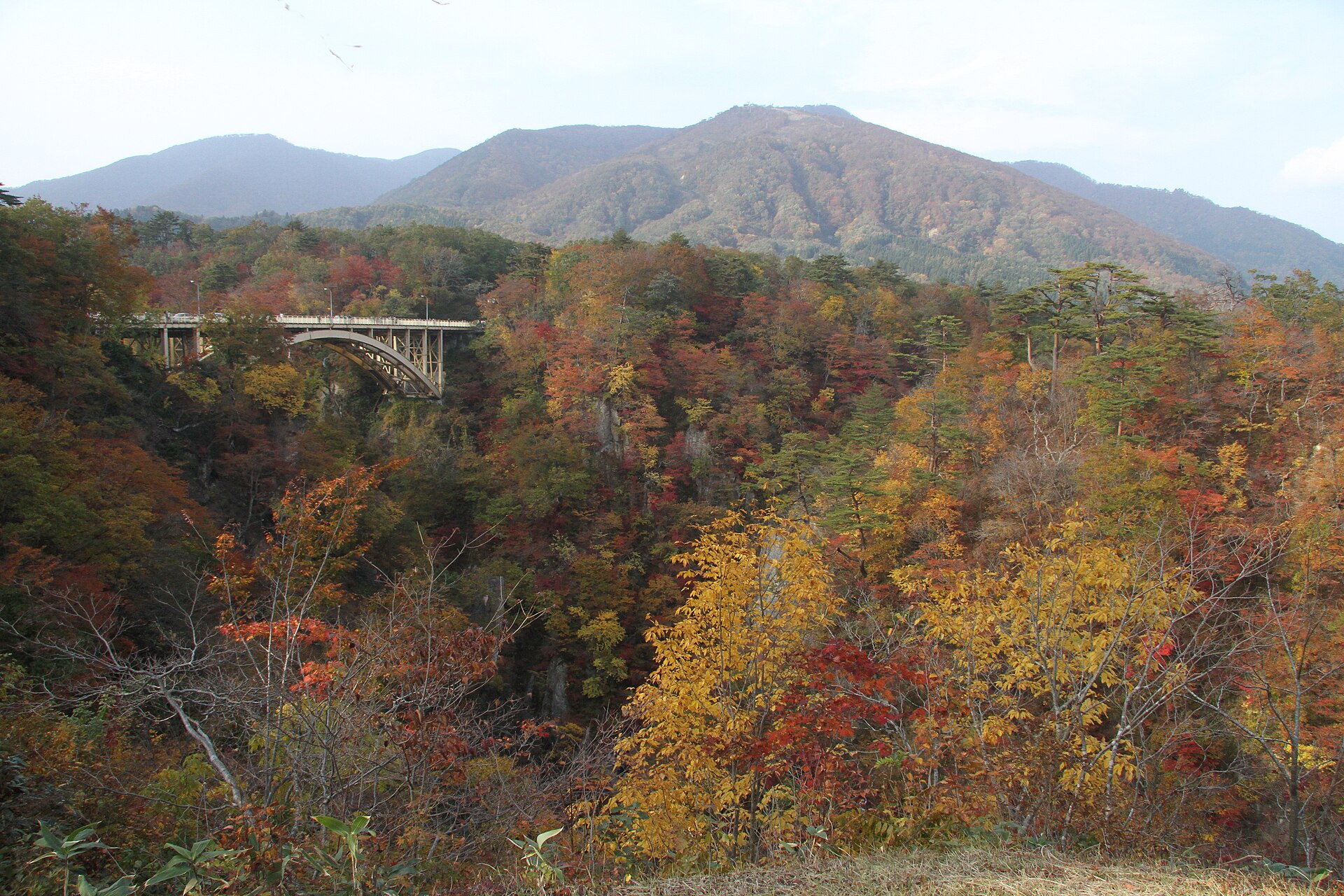
Tohoku, the north of the main island, is the honest answer. Naruko Gorge in Miyagi, the Oirase stream in Aomori and the samurai town of Kakunodate all sit at or near peak in late October and early November, and the whole region sees a fraction of Kyoto’s foreign visitors. The shinkansen from Tokyo reaches Sendai in 90 minutes.
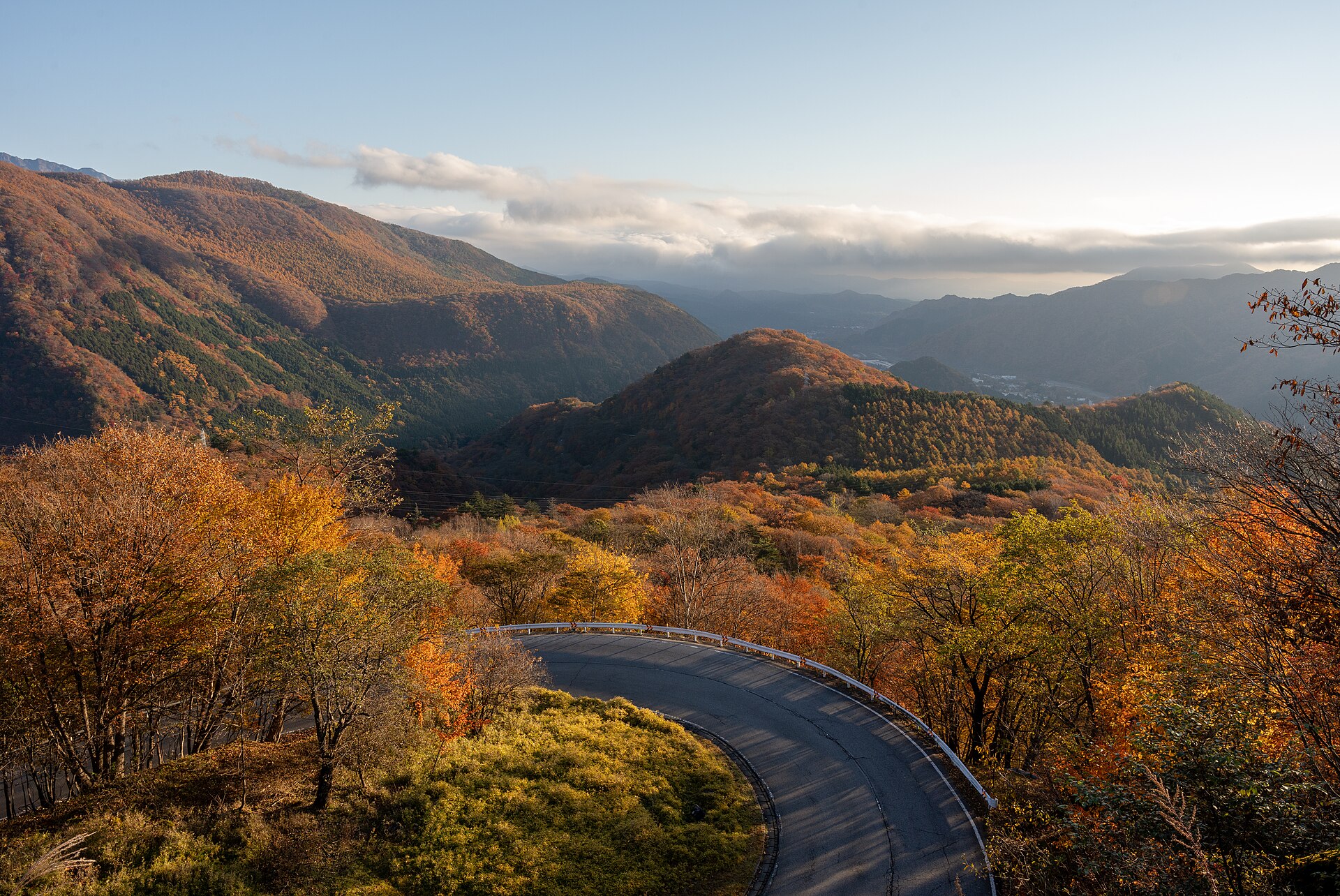
Nikko is the classic day trip that deserves two days. The 48 hairpin bends of the Irohazaka road burn red through late October, and by Diwali week the colour has rolled down to the famous shrines at town level. In a late year like this one, that timing gets even safer. Hakone and the Fuji Five Lakes are the other sweet spot: the maple corridor at Lake Kawaguchiko holds its festival through most of November, and this is where that iconic pagoda-and-Fuji photograph comes from. Sapporo itself peaks almost exactly on Diwali this year if you fancy Hokkaido.
A realistic Diwali-week route: land in Tokyo, go north to Nikko or Naruko for the fire colours, come back through Kawaguchiko for Fuji, and enjoy Tokyo’s early yellows before flying home. You will see better colour than anyone who camped in Kyoto that week.
If Kyoto Is the Whole Point, Move the Dates
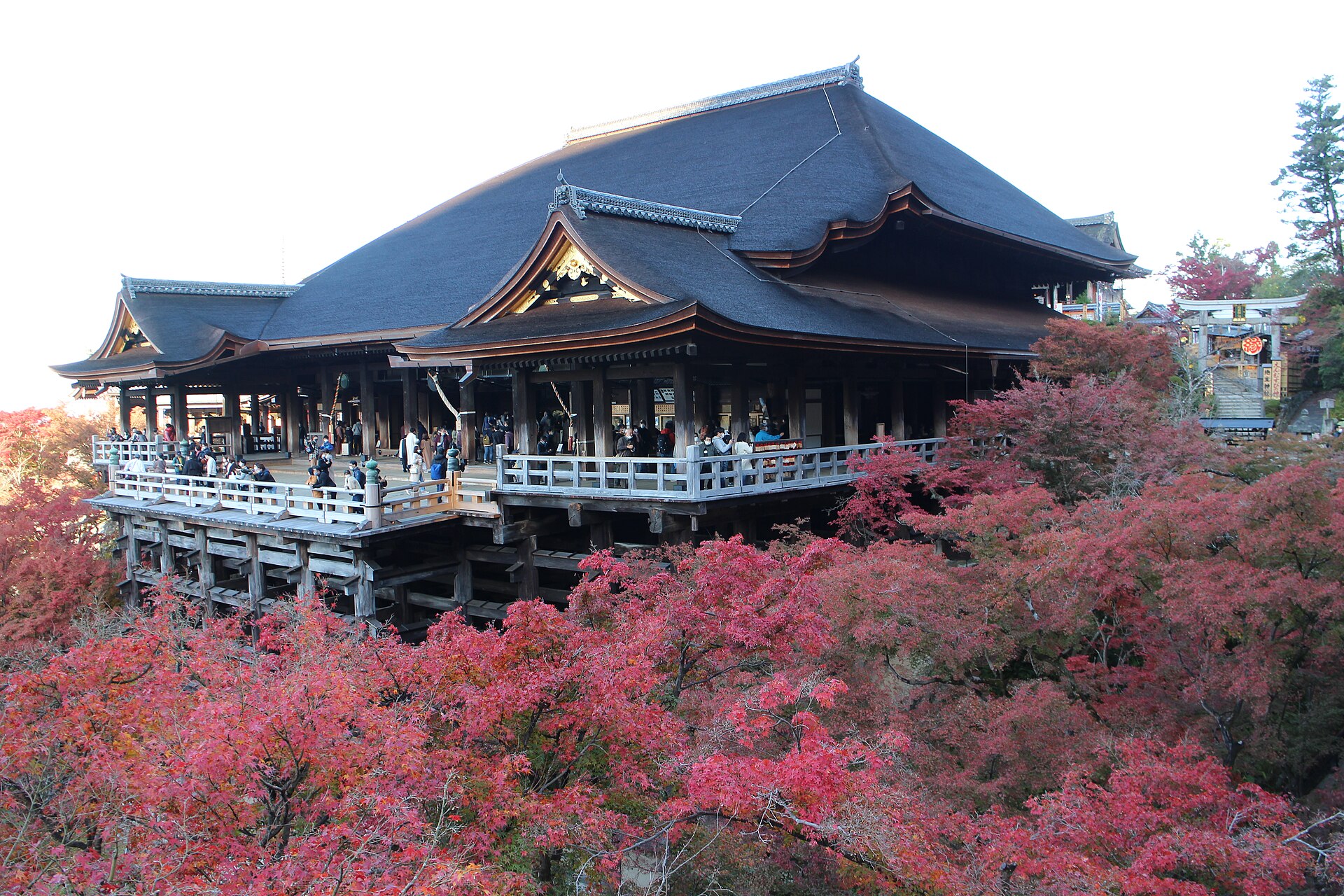
Nothing else in Japan matches Kyoto at full colour, and I will not pretend otherwise. Kiyomizu-dera floating on a sea of red, the lantern-lit night openings at Eikando and Kodaiji, the tunnel of maples at Tofukuji. If that is the trip you want, aim for the very end of November into the first half of December this year, and book temples-adjacent hotels early because Japanese travellers will do the same maths. My separate guide to the top attractions in Kyoto covers the city beyond the leaves.
Three logistics habits make any autumn route smoother. Use takkyubin luggage forwarding, about 2,000 yen a bag, to send suitcases hotel to hotel while you day-trip with a backpack; every convenience store handles it. Reserve seats on scenic trains and the Kyoto-bound shinkansen a few days ahead in peak weeks rather than walking up. And in Kyoto itself, start temple mornings at 8 am opening time, because by 10 the tour buses own Kiyomizu-dera whatever the month.
There is a quiet bonus in a late year. Early December in Kyoto usually means thinner crowds than the November crush, cold clear mornings, and the light-up events still running. Pack for 5 to 12 degrees and you get the famous scenery with room to breathe. Pair it with Osaka an hour away, which peaks around the same time.
Tokyo Deserves Its Own Paragraph
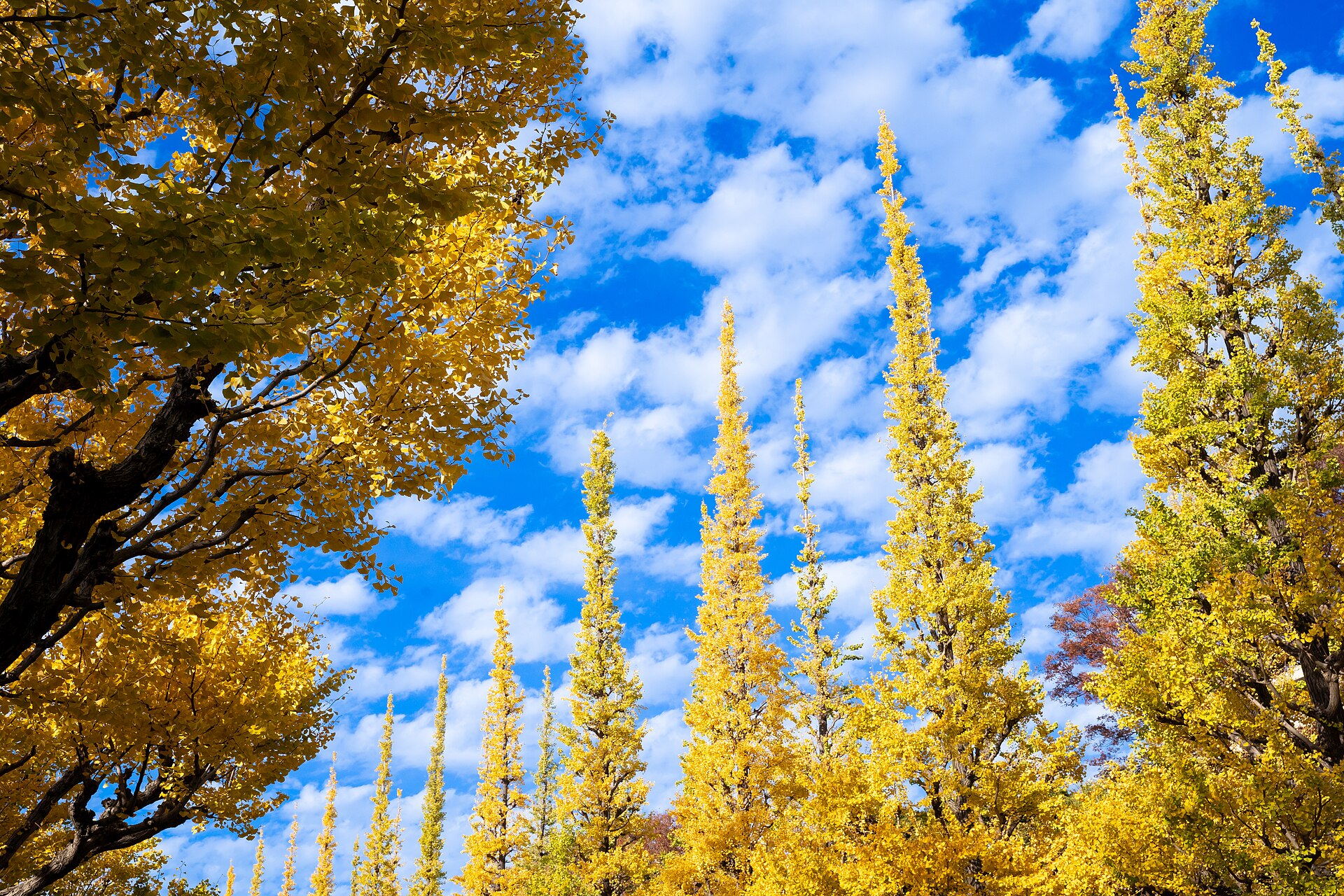
Tokyo’s signature autumn tree is not the maple but the ginkgo, and the golden avenue at Meiji Jingu Gaien is as photogenic as anything in Kyoto. The city peaks in very late November, with the ginkgo festival running into early December. Rikugien and Koishikawa Korakuen gardens hold evening illuminations, and Mount Takao, an hour from Shinjuku, gives you a proper maple mountain without leaving the metropolitan area. If your dates are flexible, the last week of November catches Tokyo gold and lets you ride ahead of the wave down to Kyoto as it turns. For first timers, my Japan travel guide and the Yokohama day trip guide round out the planning.
Reading the Colour Reports Like a Local
Japanese sites report autumn in three stages, and knowing them saves a wasted train ride. Iromekihajime means the colours have started, usually 30 to 50 percent turned. Migoro is the word you want: peak viewing, the two week window when a spot is at its best. Ochihajime means the leaves have started falling, though a temple garden carpeted in fallen red can be lovelier than the peak itself. The tenki.jp koyo pages and the JMC navigator track roughly 700 spots through these stages in near real time once the season starts.
Locals treat leaf hunting as a verb, momijigari, and plan weekends around these reports the way we track the monsoon. Do the same. Fix your cities only after the October forecast update, keep one flexible day in each base, and spend it wherever that week’s migoro list points.
The Small Pleasures That Make the Season
Autumn in Japan is as much eating and soaking as looking. This is kaiseki season, when menus turn to matsutake mushrooms, chestnut rice and grilled sanma fish. Street stalls sell roasted sweet potatoes from trucks with singing loudspeakers, and at Mount Takao they deep fry maple leaves into momiji tempura, which tastes better than it has any right to. Pair the leaves with an onsen town and you get the season’s best trick: an outdoor hot spring bath with red maples overhead and cold air on your face. Naruko, Nyuto and Hakone all deliver exactly that in the first half of November.
One honest warning for city walks. The beautiful golden ginkgo trees drop fruit that smells genuinely terrible for a couple of weeks. Every Tokyo local pretends not to notice. Now you can too.
Flights, Visas and the Money Part
Air India flies nonstop Delhi to Tokyo, with one stop options via Southeast Asia often cheaper from other metros. Autumn in Japan is second only to sakura season in flight demand, so expect Rs 50,000 to 70,000 return and book two to three months ahead. Indians need a visa: the standard tourist visa through VFS takes about a week and costs under Rs 2,000, and Japan has been rolling out an eVisa for Indian applicants in phases, so check the embassy site for your city’s current process.
Two money notes from experience. The Japan Rail Pass is no longer the automatic bargain it was before its 2023 price rise; at 50,000 yen for seven days, it only pays off if you are genuinely crossing the country, so price your actual route on individual tickets first. And November hotel rates in Kyoto are the year’s highest, which is one more argument for pointing your Diwali trip north instead.
The Season That Rewards the Patient
Autumn in Japan is not one event. It is a slow red tide that takes ten weeks to cross the country, and 2026’s late forecast just stretches it further. Book against the wave and you will chase colour that is not there. Read the front like a local, follow it north to south, and almost any week from late September to mid December can be the best trip of your year. Just do not let a brochure promise you Kyoto maples for Diwali. The trees have their own calendar, and this year it says December.