

Which trek should be your first one? That is the question I get more than any other every September, and the honest answer is that most people ask it two months too late. The best treks in India have a season, a permit and a fitness bar, and October and November are when all three line up in your favour. The monsoon has washed the dust out of the air, the passes are still open, and the snow has not yet closed the high camps.
This is a state by state guide to the best treks in India, sorted the way a trek leader would sort it: by difficulty, not by Instagram fame. Each entry has the numbers you actually need, the months it works, the permit situation as of this season, and a straight opinion on who it suits. Two pieces of news change the picture in 2026, and both are in here. Roopkund is legally open again after eight years, and Karnataka now caps daily trekkers on its most popular peaks, so the days of turning up on a whim are over.
One rule before the list. Altitude does not care how fit you are. Anything above 3,500 metres needs a slow ascent, and the treks below that line are where beginners should start. I have marked each one so you can see the line clearly.
Easy Treks in India: Where to Start If You Have Never Trekked
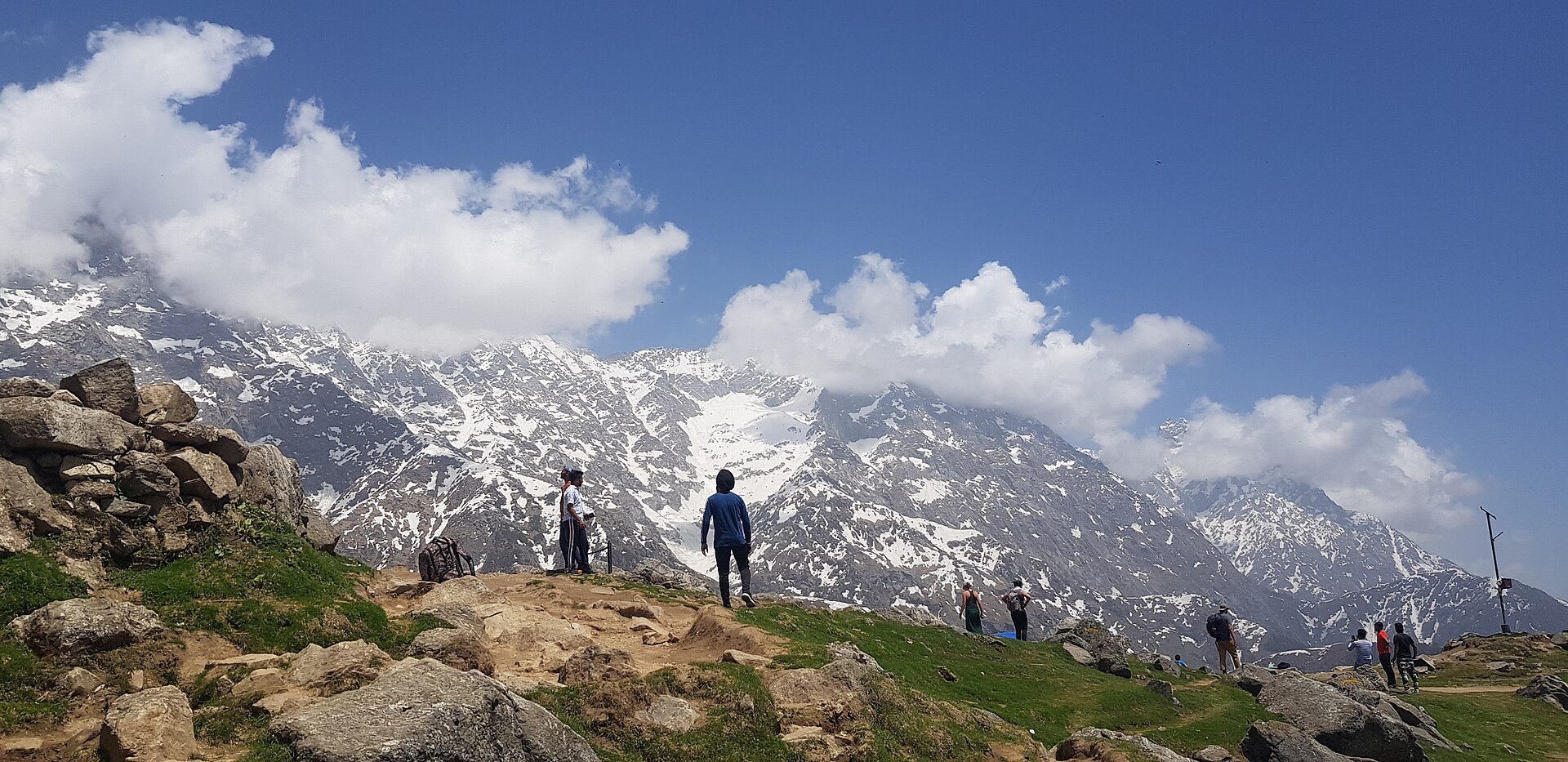
Triund, Himachal Pradesh
A 9 km climb from McLeodganj to a ridge at 2,850 metres, facing the Dhauladhar wall. Four hours up, two down, no permit, and chai shops the whole way. October to early December is perfect, with the snowline creeping down toward you. Camp on the ridge for one night if the forest department is allowing it that week; rules have flip flopped on camping, so ask in Dharamshala before you carry a tent. Budget Rs 1,500 to 3,000 for a guided overnight, or nothing at all if you day hike it.
Chopta to Tungnath and Chandrashila, Uttarakhand
The world’s highest Shiva temple at 3,680 metres is a 4 km paved trail from Chopta, and the Chandrashila summit an hour above it gives a 360 degree view of Nanda Devi, Trishul and Chaukhamba. It is walkable by anyone who can climb stairs for two hours. The temple closes for winter in early November, after which the trail itself stays open and gets snow. Stay in Chopta at Rs 1,000 to 2,500 a night and start before dawn for the summit sunrise.
Dayara Bugyal, Uttarakhand
A high altitude meadow at 3,600 metres above Uttarkashi that rolls like a golf course for kilometres, with Bandarpoonch across the valley. It is a gentle 3 to 4 day trek from Raithal or Barsu, and October and November give you golden grass and clear peaks. Operators charge Rs 7,000 to 10,000. The Supreme Court’s July 2026 decision on meadow camping applies here too, so camps that were pushed below the bugyal for years may now return to the meadow itself. Check what your operator is actually doing.
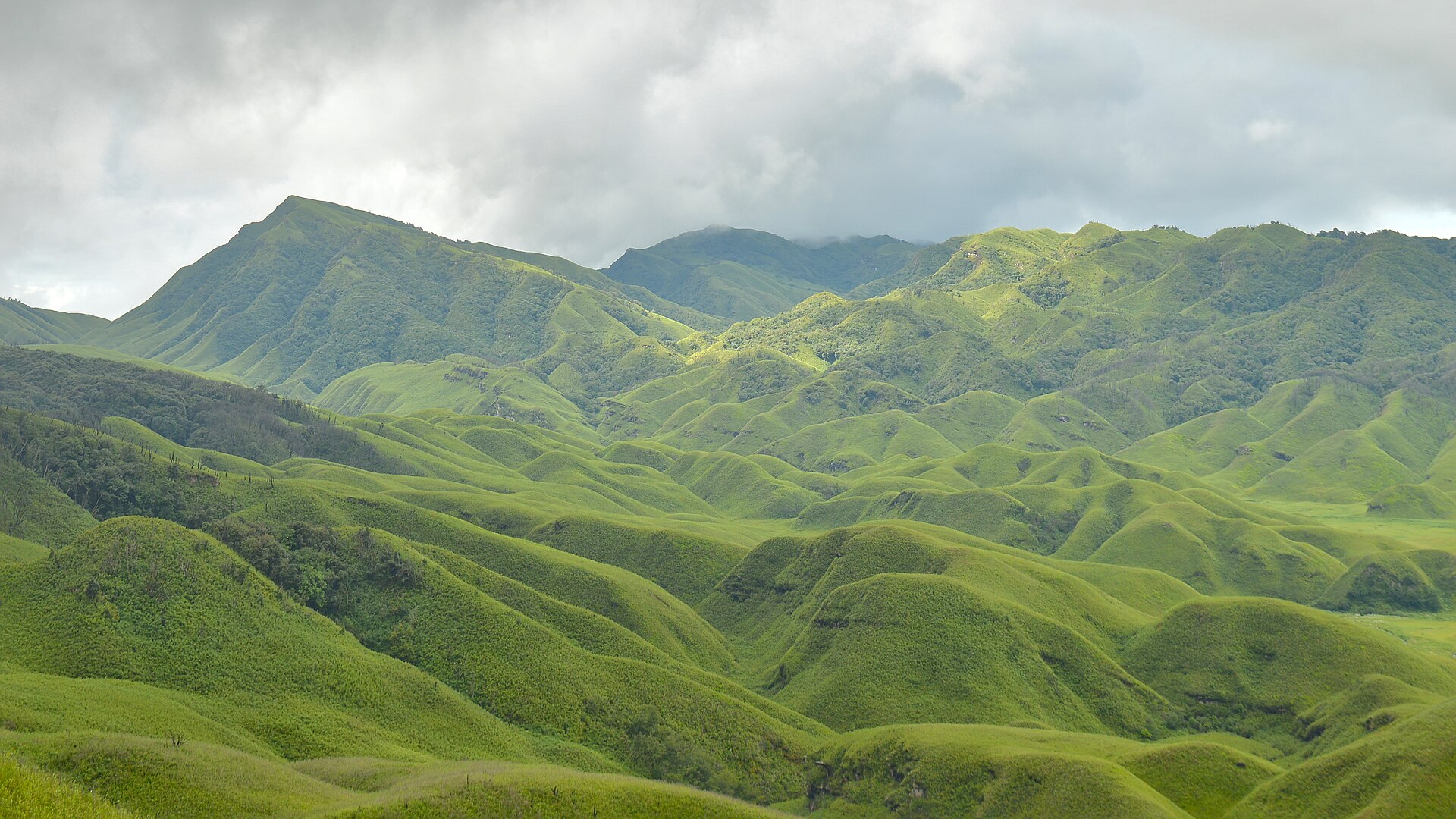
Dzukou Valley, Nagaland
The one non Himalayan trek that belongs on any India list. A 2 to 3 hour climb from Viswema village near Kohima drops you into a valley of dwarf bamboo and rolling hills at 2,450 metres that looks like nowhere else in the country. October and November are the best months, after the lilies but before the frost. Indians need a Nagaland Inner Line Permit, applied for online in advance on the state ILP portal. The rest house at the top charges a few hundred rupees and it is cold, so carry a sleeping bag. Time it with the Hornbill Festival in early December and you have a full week.
Moderate Treks in India: The Classics Everyone Should Do Once
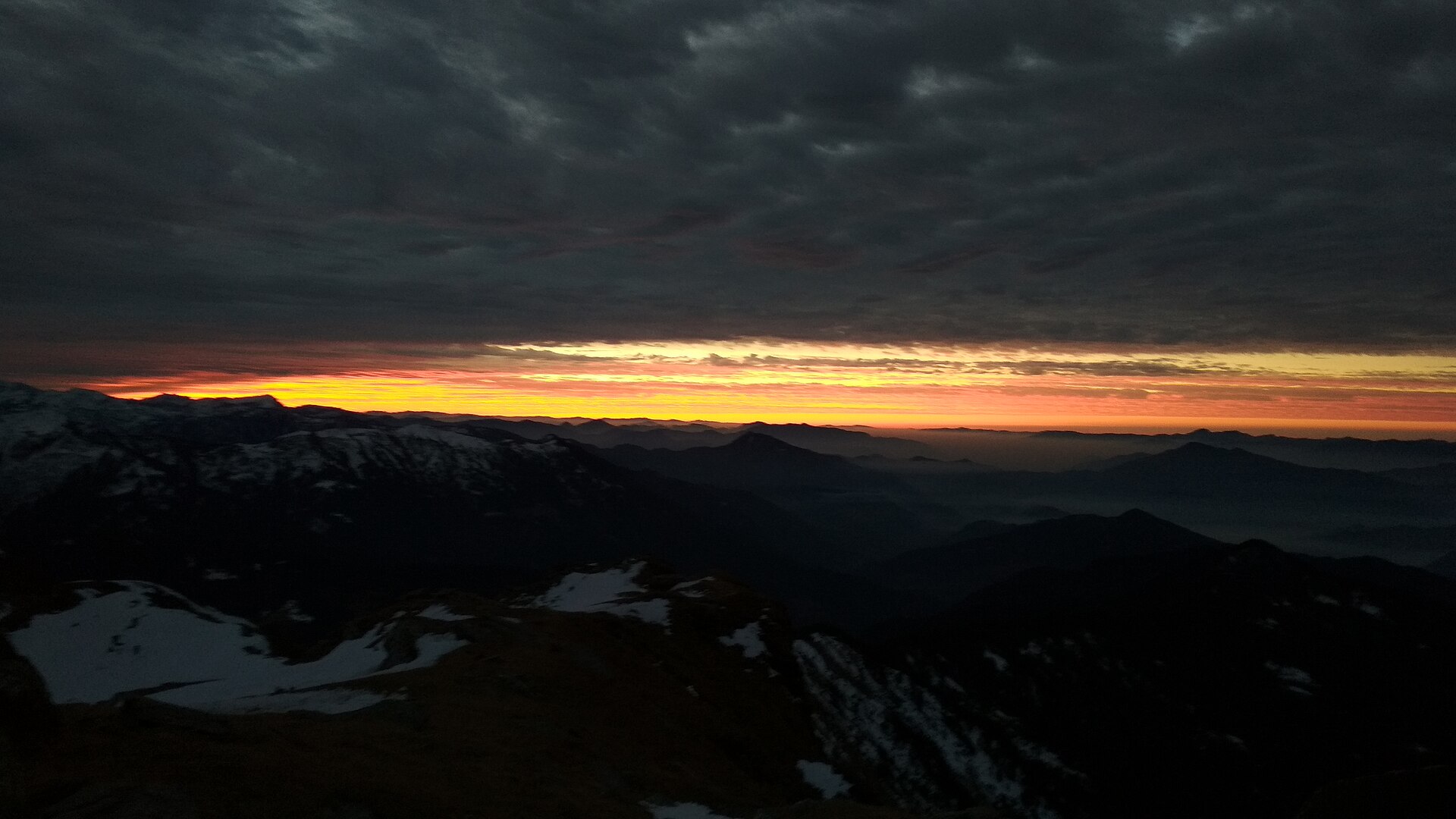
Kedarkantha, Uttarakhand
The most popular of all treks in India, for a reason: a 20 km round trip to a 3,810 metre summit with a proper 360 degree Himalayan panorama, done in 4 to 5 days from Sankri. October and November give autumn colour and dry trails; December to March turns it into a snow trek. The forest permit is Rs 150 and camping Rs 200 a night, both handled by operators who charge Rs 6,000 to 11,000 all in. My longer Kedarkantha guide covers the campsites. Honest note: you will share the summit with a hundred people on any December weekend. Go in November for the quieter version.
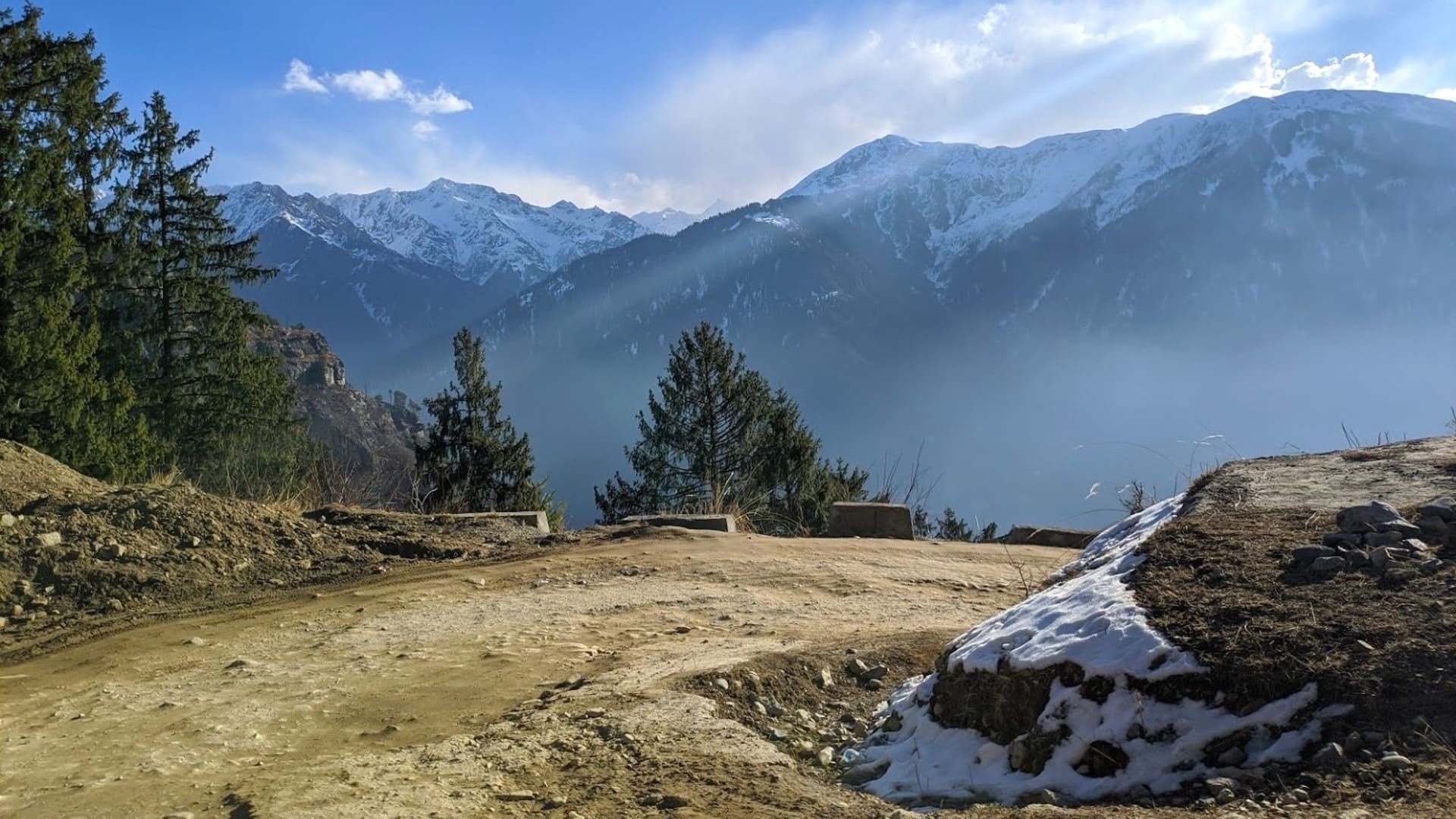
Hampta Pass, Himachal Pradesh
Four days from the green Kullu side over a 4,270 metre pass into the brown desert of Lahaul, with an optional drive to Chandratal Lake at the end. It is the most dramatic scenery change of any short trek in India. The window is June to mid October, and the pass closes with the first heavy snow, so this is a late September or early October trek, not a November one. Budget Rs 15,000 to 19,000 from Delhi with a mid range operator, and expect three permits if you do the full route: the trek itself, Rohtang and Chandratal.
Har Ki Dun, Uttarakhand
A valley walk rather than a summit push, 7 days return from Sankri into a cradle below Swargarohini, past villages where the wooden temples are centuries old. Maximum altitude is about 3,500 metres, which makes it easier on the lungs than Kedarkantha despite being longer. October is the best month for the meadows and November for the views. Rs 10,000 to 14,000 with an operator, and the Govind Wildlife Sanctuary permit is included in that.
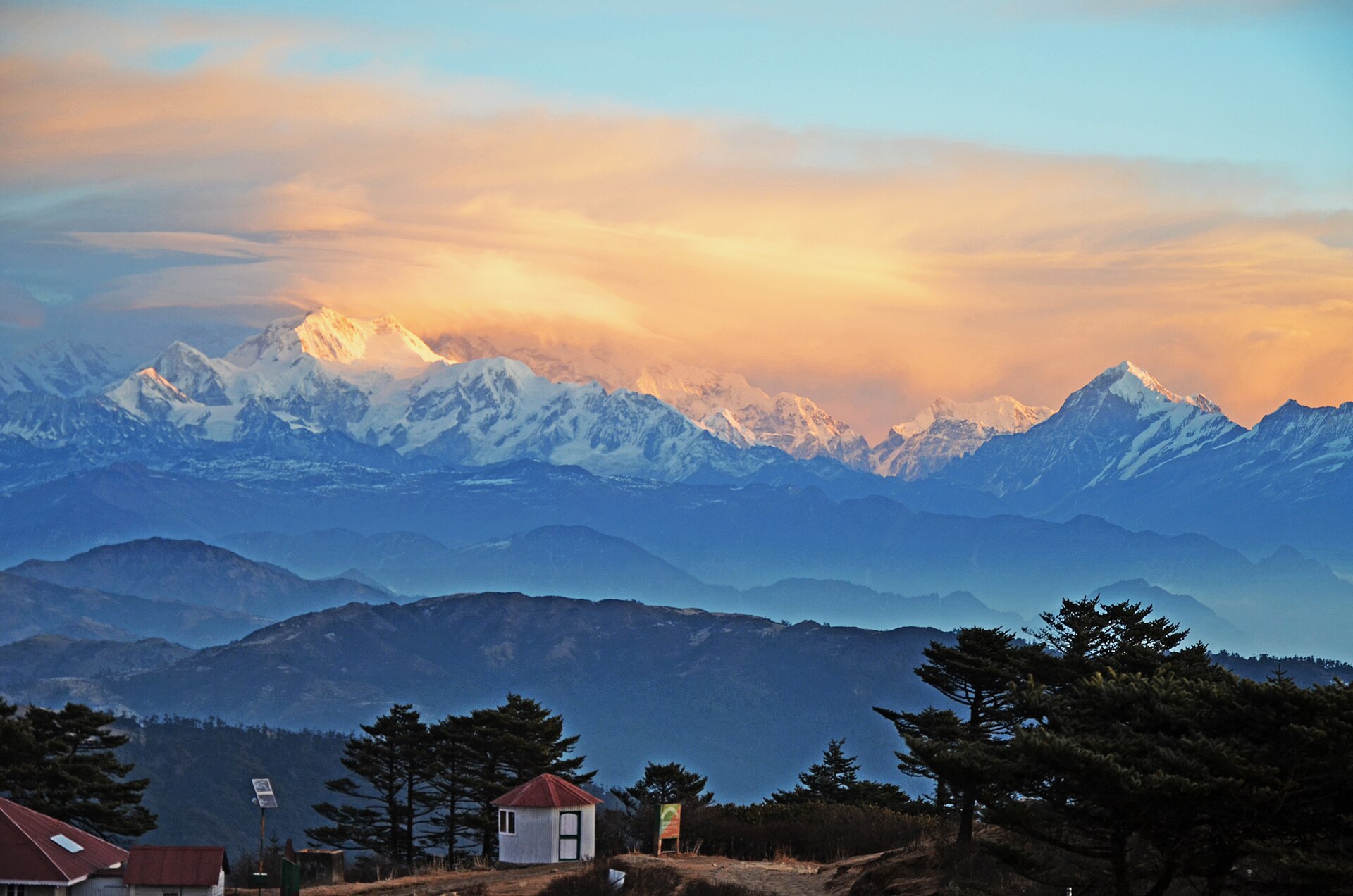
Sandakphu and Phalut, West Bengal
The only one of the treks in India where you see four of the five highest mountains on Earth from one ridge: Everest, Kangchenjunga, Lhotse and Makalu. Sandakphu is 3,636 metres, reached in 4 to 6 days from Manebhanjan near Darjeeling on a trail that crosses in and out of Nepal. October to early December and March to April are the clear windows.
Singalila National Park permits are bought at the Manebhanjan forest office, and a guide is compulsory. Rs 10,000 to 20,000 depending on whether you sleep in teahouses or camp. It is the best value big mountain view in the country.
Difficult Treks in India: Only With Experience and Time
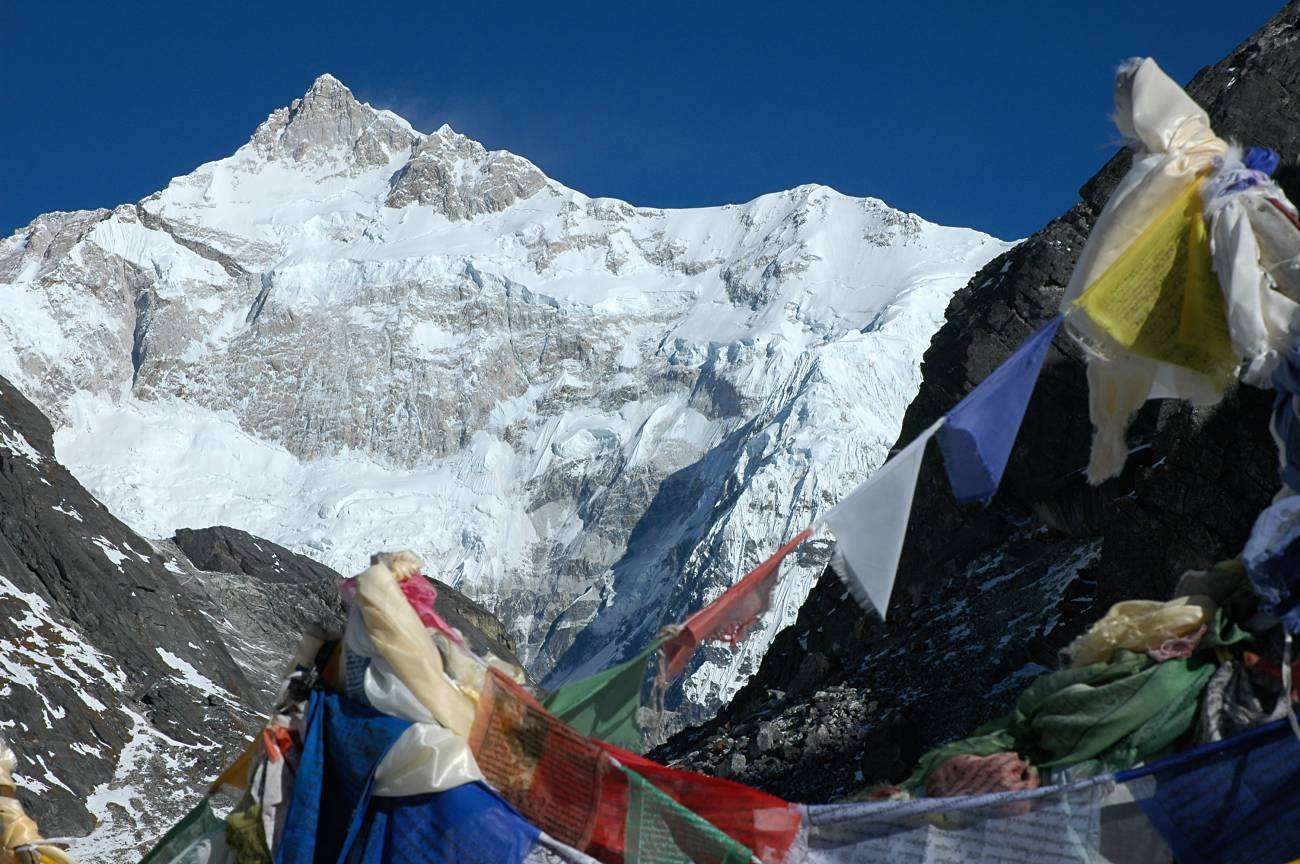
Goecha La, Sikkim
Eight to ten days from Yuksom to a 4,940 metre pass under the south face of Kangchenjunga. This is the trek people call the best view in India, and I would not argue. October is the clearest month, with November colder but still dry. Prior high altitude experience is expected, not just preferred.
Permits are issued at Yuksom and cost around Rs 700, but foreigners face extra Sikkim paperwork, so book through a Sikkim registered operator at Rs 21,000 to 35,000. Pair the trip with Gangtok and the north Sikkim valleys like Lachung if you have the days.
Roopkund, Uttarakhand
The skeleton lake at 5,029 metres is back. On 20 July 2026 the Supreme Court set aside the 2018 Uttarakhand High Court order that banned overnight camping on alpine meadows, which had made the full route impossible to do legally for eight years. Operators have announced group departures from early October 2026.
It is a hard 8 day trek with a genuine risk of altitude sickness, and the bones in the lake are only visible when the snow melts in late September and October. Read my older Roopkund piece for the legend, then book with someone who has run it this season, not someone dusting off a 2017 itinerary.
Kashmir Great Lakes, Jammu and Kashmir
Seven days across 70 km and three passes past a chain of alpine lakes, the prettiest trek in India by common consent, starting from Sonmarg. The catch for this guide is the season: the army only permits it from July to mid September. If you are reading this in October, it is next year’s trek. Rs 15,000 to 22,000, permits arranged by the operator, and passes at 4,200 metres that catch out anyone who skipped the fitness prep.
Chadar, Ladakh
The frozen Zanskar river walk is a January and February trek, listed here so nobody plans it for autumn. It needs a medical check in Leh, a wildlife permit, and a tolerance for minus 20 degree nights on a river that occasionally stops being frozen under your feet. Full details in my Chadar trek guide. Rs 25,000 to 35,000 plus the Leh flight.
South and West: Treks Without the Altitude
Not all the good treks in India are in the Himalayas. Karnataka’s Western Ghats peaks like Kudremukh, Kumara Parvatha and Netravati are at their green best from October to February, but the Forest Department now runs all bookings through its Aranya Vihara portal with hard daily caps, around 50 a day for Kudremukh peak, and weekend slots vanish within minutes of release. Book two to three weeks out.
The coffee country around Sakleshpur has gentler unpermitted ridge walks if you miss the slot.
Maharashtra’s fort treks, Harishchandragad, Rajmachi and Kalsubai at 1,646 metres, the state’s highest point, are day hikes from Mumbai and Pune that turn spectacular right after the monsoon. Meghalaya’s living root bridge trek to Nongriat near Cherrapunji, 3,500 steps down and back up, is a leg burner rather than an altitude problem and is at its best in October and November once the rain stops.
The Numbers, Side by Side
| Trek | State | Max altitude | Days | Autumn window | Typical cost |
|---|---|---|---|---|---|
| Triund | Himachal | 2,850 m | 1 to 2 | Oct to Dec | Rs 0 to 3,000 |
| Chopta Chandrashila | Uttarakhand | 4,000 m | 2 | Oct to early Nov | Rs 2,000 to 5,000 |
| Dayara Bugyal | Uttarakhand | 3,600 m | 3 to 4 | Oct to Nov | Rs 7,000 to 10,000 |
| Dzukou Valley | Nagaland | 2,450 m | 2 | Oct to Nov | Rs 2,000 to 5,000 |
| Kedarkantha | Uttarakhand | 3,810 m | 4 to 5 | Oct to Mar | Rs 6,000 to 11,000 |
| Hampta Pass | Himachal | 4,270 m | 4 to 5 | Until mid Oct | Rs 15,000 to 19,000 |
| Har Ki Dun | Uttarakhand | 3,500 m | 6 to 7 | Oct to Nov | Rs 10,000 to 14,000 |
| Sandakphu Phalut | West Bengal | 3,636 m | 4 to 6 | Oct to Dec | Rs 10,000 to 20,000 |
| Goecha La | Sikkim | 4,940 m | 8 to 10 | Oct to Nov | Rs 21,000 to 35,000 |
| Roopkund | Uttarakhand | 5,029 m | 8 | Late Sep to Oct | Rs 14,000 to 20,000 |
Costs for these treks in India are operator packages from the base town and exclude travel to it. A good operator’s price includes permits, camping, meals and a certified guide; a cheap one often skips the last item, and that is the item that matters at altitude.
Before You Book Anything
Fitness first, because the moderate treks in India are harder than their brochures. Every operator asks for a 5 km run in 30 to 35 minutes before a moderate trek, and they mean it. Start six weeks out.
Gear second: rent the sleeping bag and the big jacket, but buy your own boots and break them in for at least three walks before you leave.
Insurance third, and make sure the policy covers the altitude you are going to, because most standard travel policies stop at 3,000 metres. Finally, the Valley of Flowers, the most famous of the monsoon treks in India, closes for the year on 31 October and Hemkund with it, so anyone chasing the monsoon flowers has already missed the boat for this season. Aim for a September trip next year.
So, Which One Should Be Your First?
Of all the treks in India on this list, if you have never slept in a tent, start with Dzukou or Triund. If you have done a day hike and want a real summit, Kedarkantha in November before the crowds and the snow. If you have one big trek in you this year and the money to match, Goecha La in October, because nothing else in the country delivers a mountain that size that close. And if the pull is Roopkund, this is the first autumn in nearly a decade when you can answer it legally, so let someone who has already walked the route this season take you.