
At about six in the evening on Tuesday, 24 November, a cauldron of ghee on an 800 m hill in Tamil Nadu catches fire. Lakhs of people in the streets of Tiruvannamalai go quiet, then roar. That is the Karthigai Deepam, and it is only the first lamp of the night. Within the hour Varanasi’s ghats fill with diyas, the Golden Temple lights up, and clay lamps drift out on a lake near Bikaner. The thread is Kartik Purnima, one full moon carrying more festivals than any other date in the Indian calendar.
This is the hub for that night: why one moon does so much work, an honest short version of each celebration, a side by side comparison, and the practical mess, because every one of these towns sells out for the same week.
Kartik Purnima 2026: The Date and Why It Carries So Much
Kartik Purnima in 2026 falls on Tuesday, 24 November. The Purnima tithi starts at about 11:42 pm on 23 November and ends around 8:23 pm on the 24th, going by Drik Panchang’s Kartik calendar, so the dawn bath and the evening lamps both land on the Tuesday. Ignore the pages that say 5 November; that was last year.
The crowding of festivals has a simple logic. Kartik is the month Hindu tradition treats as the most sacred for bathing at dawn, and Purnima is its last day, so the month’s merit peaks on this moon. Four days earlier, on Dev Uthani Ekadashi, Vishnu wakes from his four month sleep, so this is the first full moon of the “awake” half of the year. It is also Tripuri Purnima, the night Shiva destroyed Tripurasura’s three cities, which is why Varanasi calls its lamps a Diwali of the gods.
The other traditions reached the same date by their own roads. The Tamil Karthigai Deepam follows the solar month of Karthigai and the Krittika star, which meets this full moon most years. Sikhs mark Guru Nanak’s birth on Kartik Purnima by long custom; 2026 is the 557th Prakash Utsav. In Odisha the full moon was the sailing date, when the retreating monsoon winds carried traders towards Bali. The fairs grew around the bathing crowds, because a few lakh farmers in one place after the harvest is a market whether anyone plans it or not.
Dev Deepawali in Varanasi: Diyas on Every Step
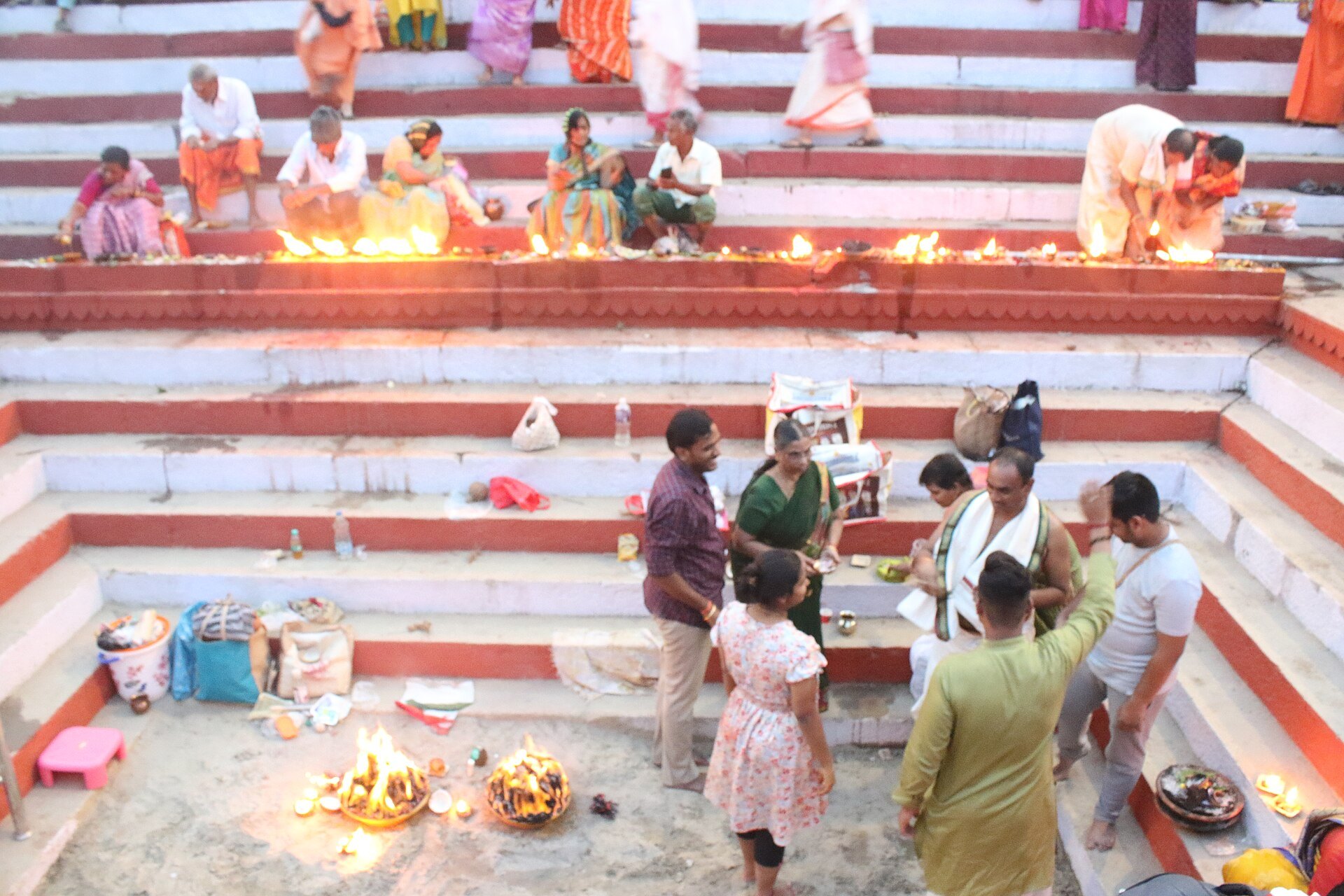
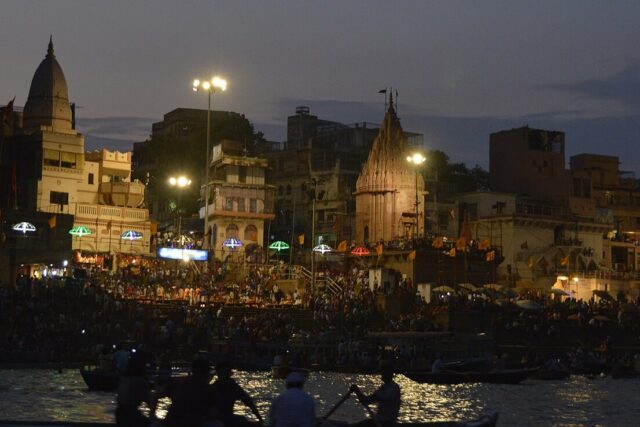
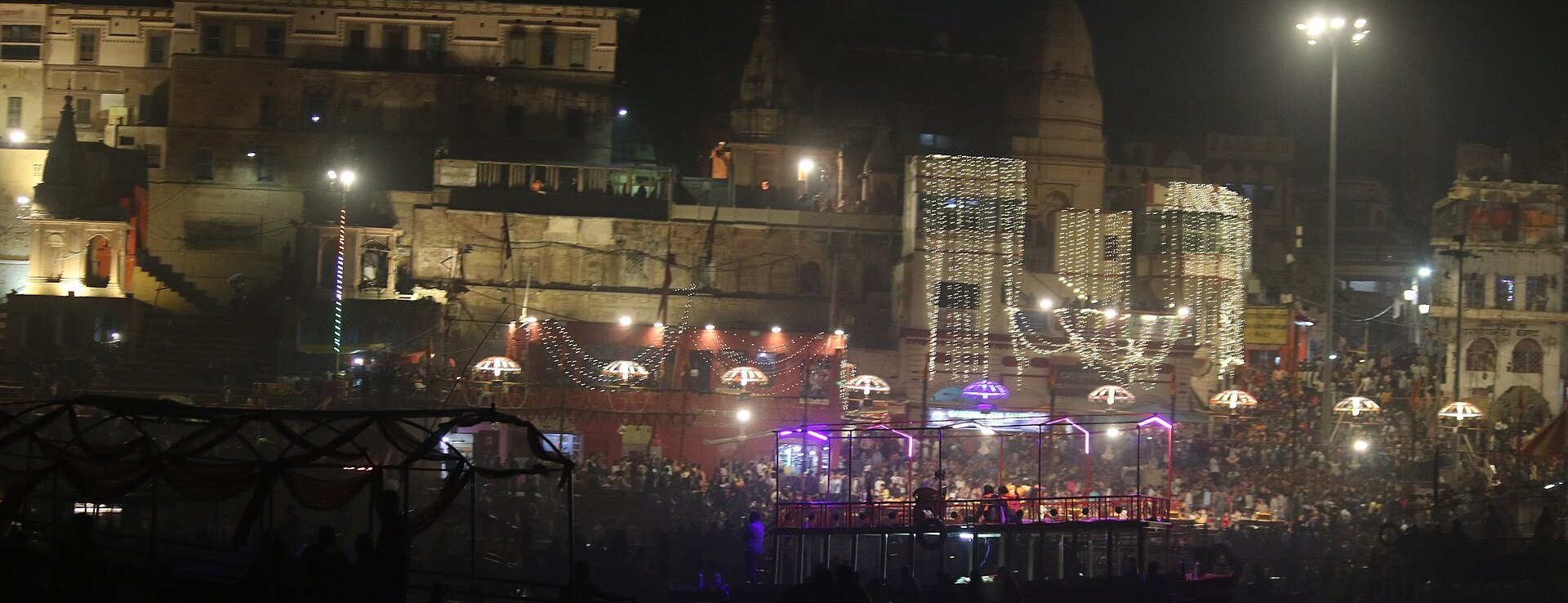
What you see: all 80 odd ghats from Assi to Raj Ghat lined with oil lamps from about 5:15 pm, a river full of boats, fireworks over the water, and the Ganga aarti at Dashashwamedh at six. Read our ghat by ghat walk if you have never been, then our Dev Deepawali guide for the boat and ghat choices on the night.
Who it suits: anyone who wants the single most spectacular Kartik Purnima evening and can handle a crush. Two nights is right. A Cantonment room that costs Rs 4,000 in October was quoted at Rs 10,000 to 15,000 last year, and a shared boat seat went from Rs 300 to Rs 1,500 to 3,000. Budget Rs 4,000 per person for a Sarnath guesthouse with no boat, up to Rs 18,000 for a mid range hotel and a private boat.
The honest downside: between 7 and 9 pm the lanes behind Dashashwamedh stop being pleasant, networks sag, and boats may be called in by 8:30 pm. If crowds worry you, watch from Assi or Kedar Ghat and skip the aarti.
Guru Nanak Jayanti at the Golden Temple
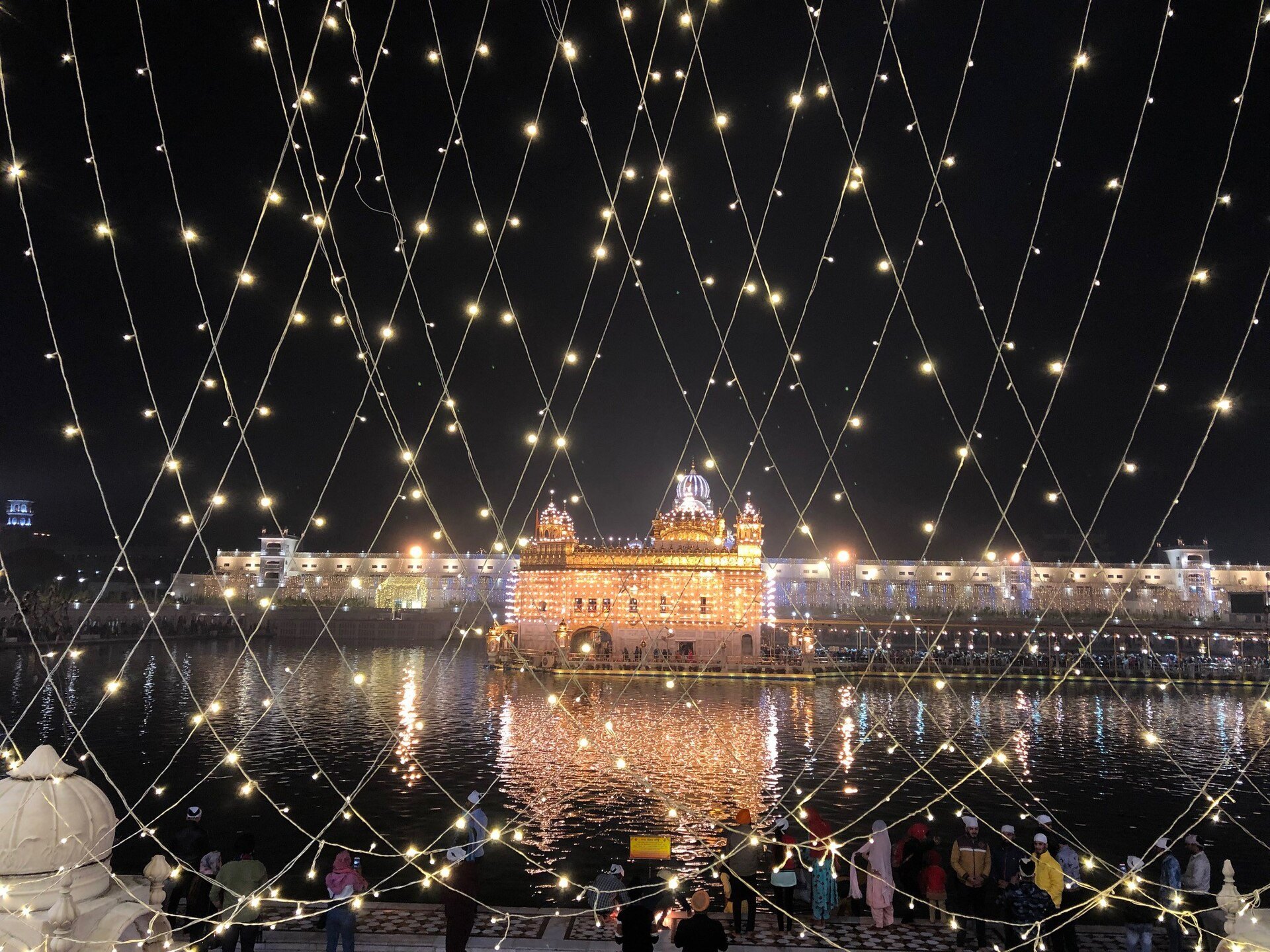
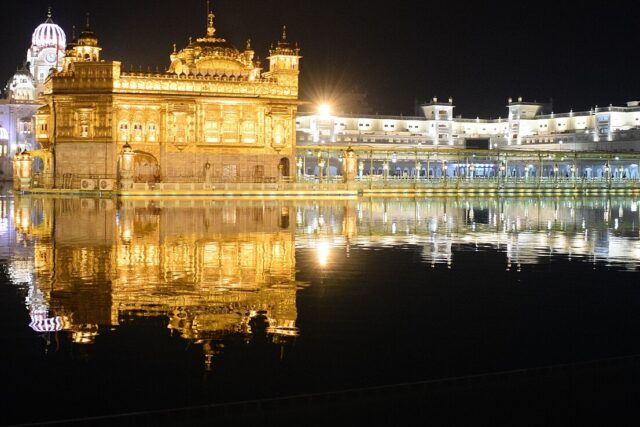
Amritsar does three days, not one. An Akhand Path begins around 22 November, the Nagar Kirtan leaves Akal Takht on the afternoon of the 23rd, and on the 24th the Asa di Var kirtan starts at 3 am, the parikrama fills by late afternoon, and after sunset the lights come on with fireworks over the sarovar around 7 to 8 pm. See our Guru Nanak Jayanti guide for the hour by hour plan.
Who it suits: families, older travellers, anyone on a tight budget. The gurdwara sarais give beds for a Rs 100 refundable deposit or Rs 500 a night with an attached bathroom, and langar, reportedly past a lakh plates a day that week, means food is free. Count Rs 2,500 to 5,000 per person for three days sarai side, Rs 7,500 to 12,500 in a hotel on Ranjit Avenue; Heritage Street goes to Rs 5,000 to 9,000 a night and still says full.
The honest downside: nights are 8 to 12 degrees with fog, and you are barefoot on marble for hours. The sanctum queue on the 24th runs to several hours; go at 3 am or on the Akhand Path day.
Karthigai Deepam: The Flame on Arunachala
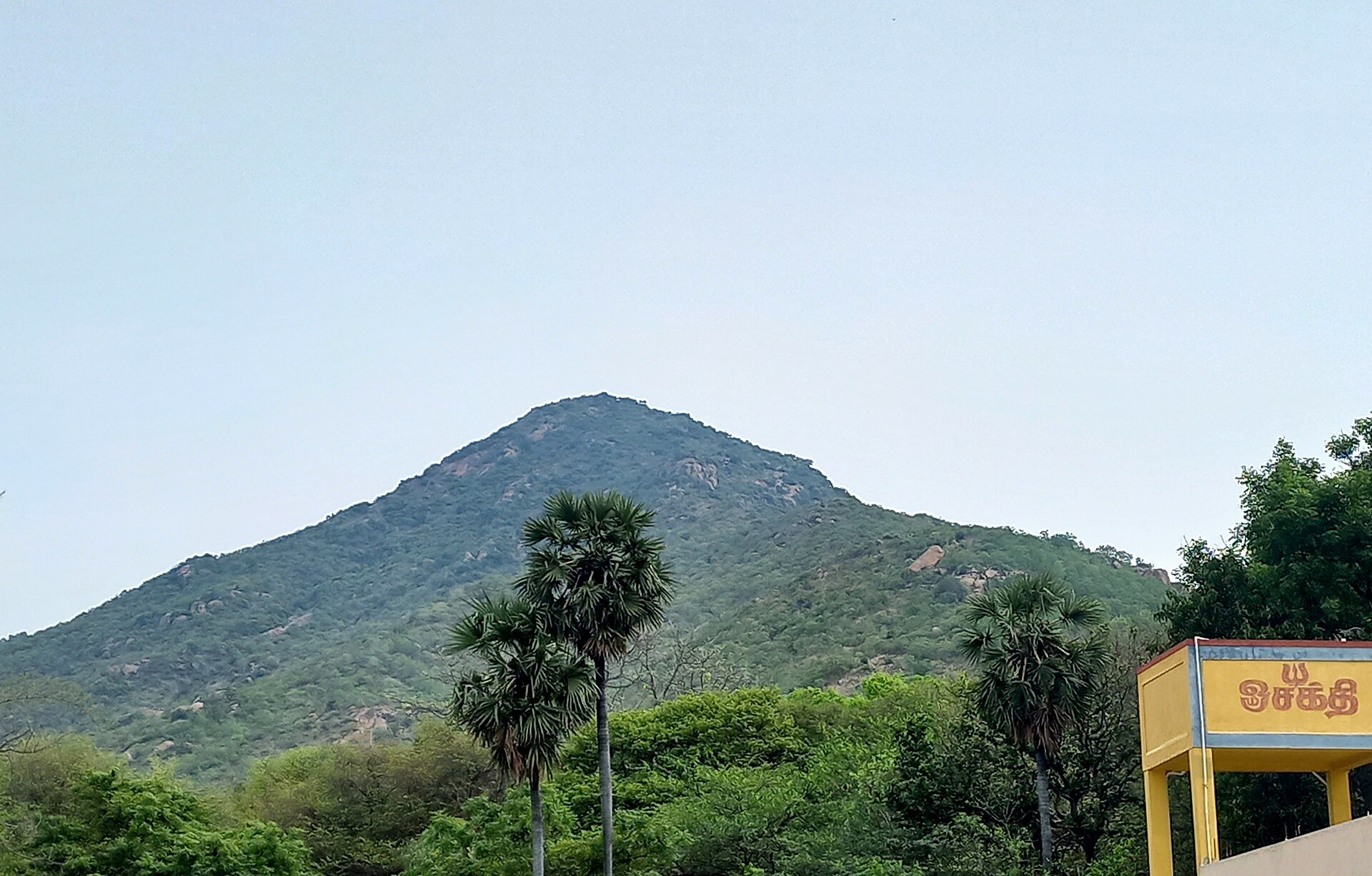
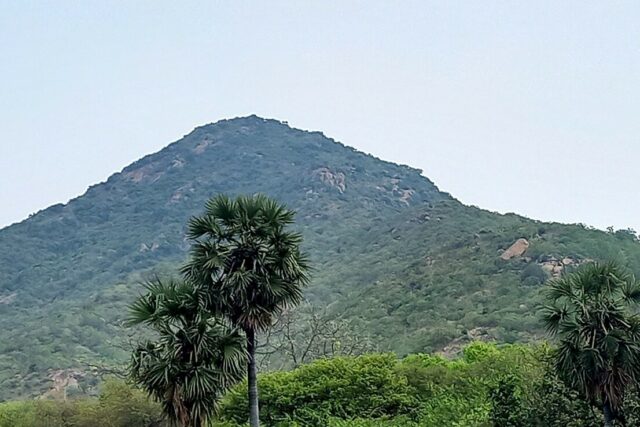
What you see: a flame on the summit of Arunachala, lit at about 6 pm on Kartik Purnima from a lamp carried up since 4 am, visible from the 14 km Girivalam road and every rooftop in Tiruvannamalai. Newspapers count the crowd at 20 to 40 lakh. Our Karthigai Deepam guide covers where to stand, the rooftops that charge Rs 100 to 300 a head, and a two day plan.
Who it suits: people who want the most intense devotional atmosphere of the lot, and walkers, because the Girivalam under the near full moon on the night of the 23rd is the best part. Two days, Rs 4,000 to 9,000 per person all in, with lodges at Rs 3,000 to 4,500 for a basic double in Deepam week against Rs 800 to 1,500 normally.
The honest downside: no phones inside the temple, no sitting room anywhere after 3 pm, and the hill paths are shut on Deepam day. Chennai is four to five hours by bus and the last buses back are a scrum.
Pushkar: The Fair Ends Where the Lake Begins
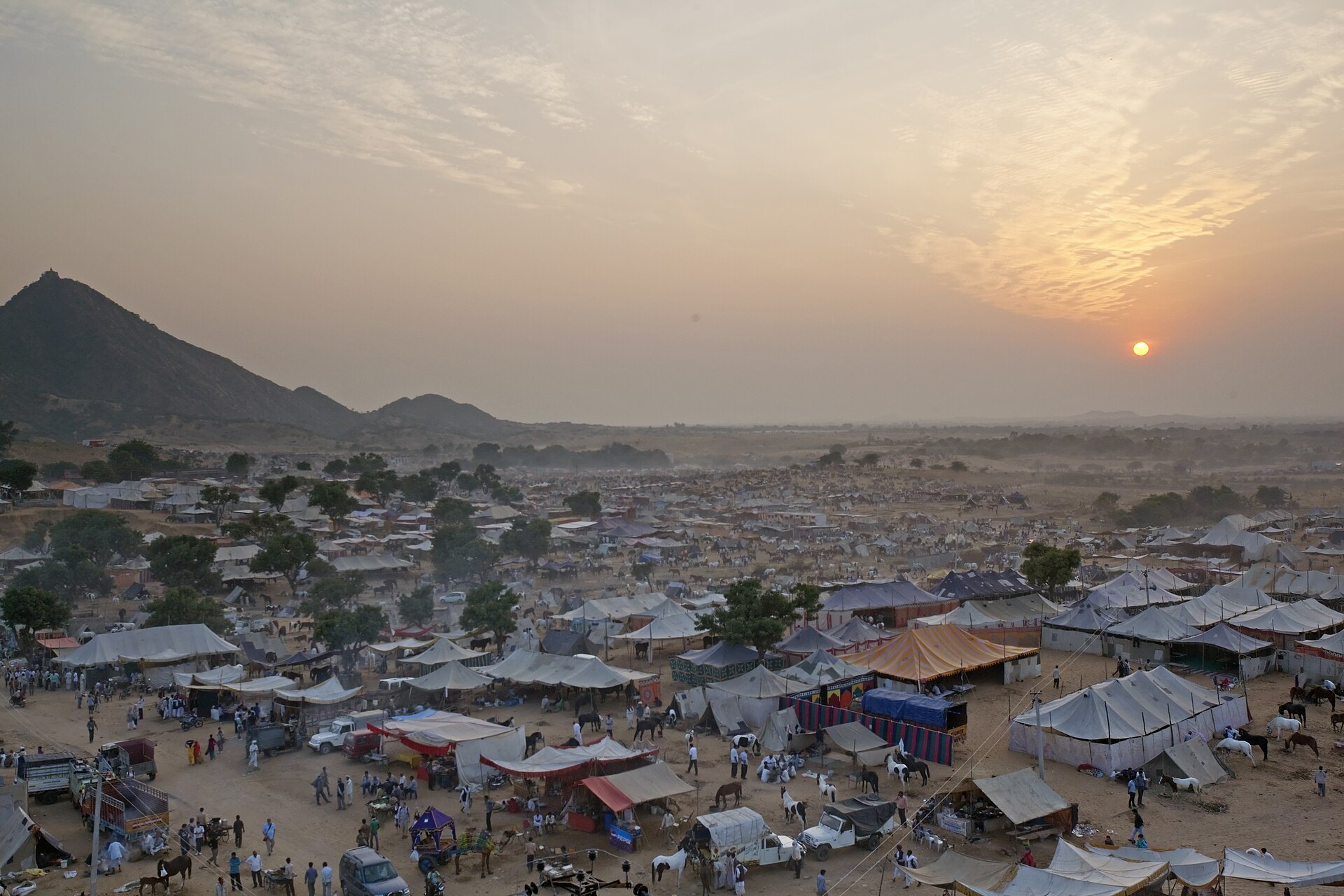
The Pushkar fair runs roughly 17 to 24 November in 2026, with the animals on the ground from about the 15th. It is really two events. The camel and horse trading happens on the dunes in the first days; the religious climax is the dip in Pushkar lake between about 3 and 6 am on Kartik Purnima, then a queue down the street for the Brahma temple. Our Pushkar Camel Fair guide has the camp by camp pricing and the reasons the camel numbers keep falling.
Who it suits: photographers, first time visitors to Rajasthan, and anyone who wants a festival that is also a holiday. Three to four days. A town guesthouse is Rs 1,500 to 3,000 a night, a luxury Swiss tent Rs 15,000 to 25,000 for two with meals, so Rs 5,000 to 50,000 per person depending on how you sleep.
The honest downside: constant dust, a fair that is now more tourist than trade, and camels mostly gone by the time the Purnima crowd arrives. Come early in the week for animals, late for the dip.
Sonepur Mela: Read the Old Books, Then Lower Your Expectations
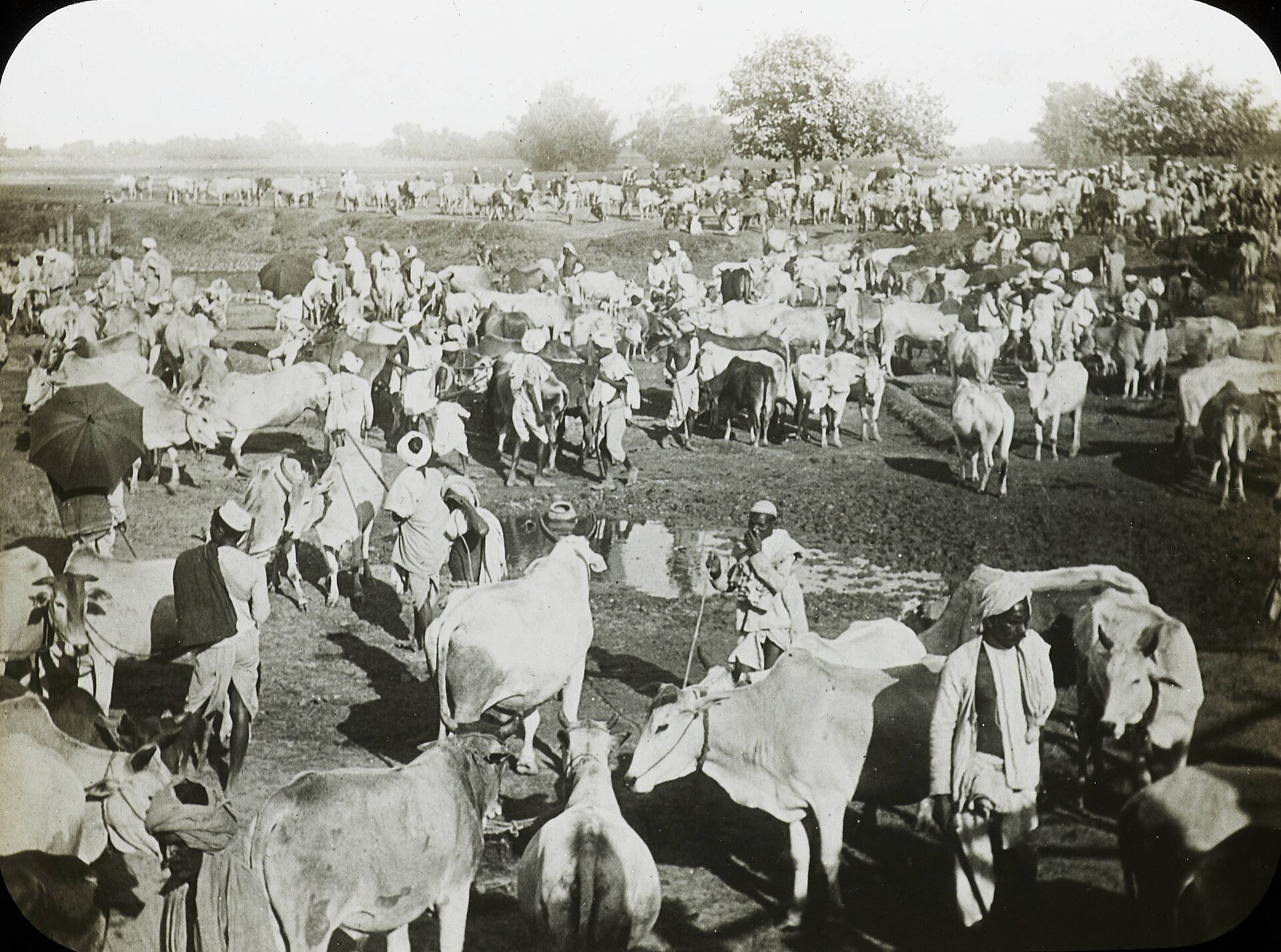
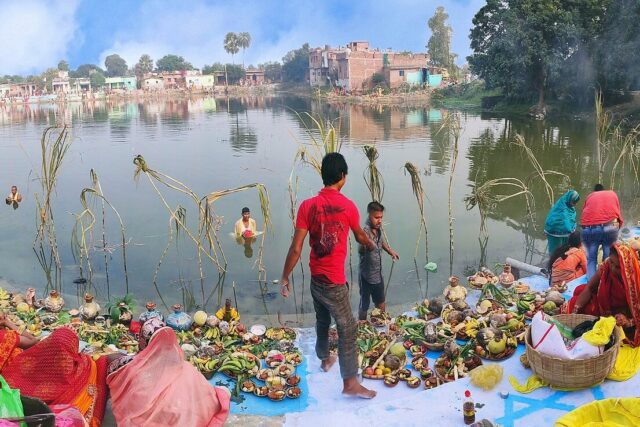
Colonial travelogues and half the Indian travel sites still describe Sonepur, where the Gandak meets the Ganga across from Patna, as Asia’s largest cattle fair with hundreds of elephants for sale. Treat that as history. Elephant trading has been illegal under the Wildlife Protection Act for years, cattle and horse sales have dwindled, and the bird market survives only in an illegal corner you should not reward with your money.
What is actually there: a month long funfair with a theatre tent, a dawn dip at the Harihar Nath temple on Kartik Purnima, pony lines, handicraft stalls and a government exhibition. Patna Press reported an opening on 22 November this year with the Purnima celebrations on 23 and 24 November; I could not find the Bihar government’s own notice, so confirm before travelling.
Pair it with our Bihar list from a Patna hotel at Rs 1,500 to 4,000 and budget Rs 3,000 to 8,000 per person. Go for the people and the dawn river, not the animals, and you will not feel cheated.
Boita Bandana and Bali Jatra: Odisha’s Two Mornings
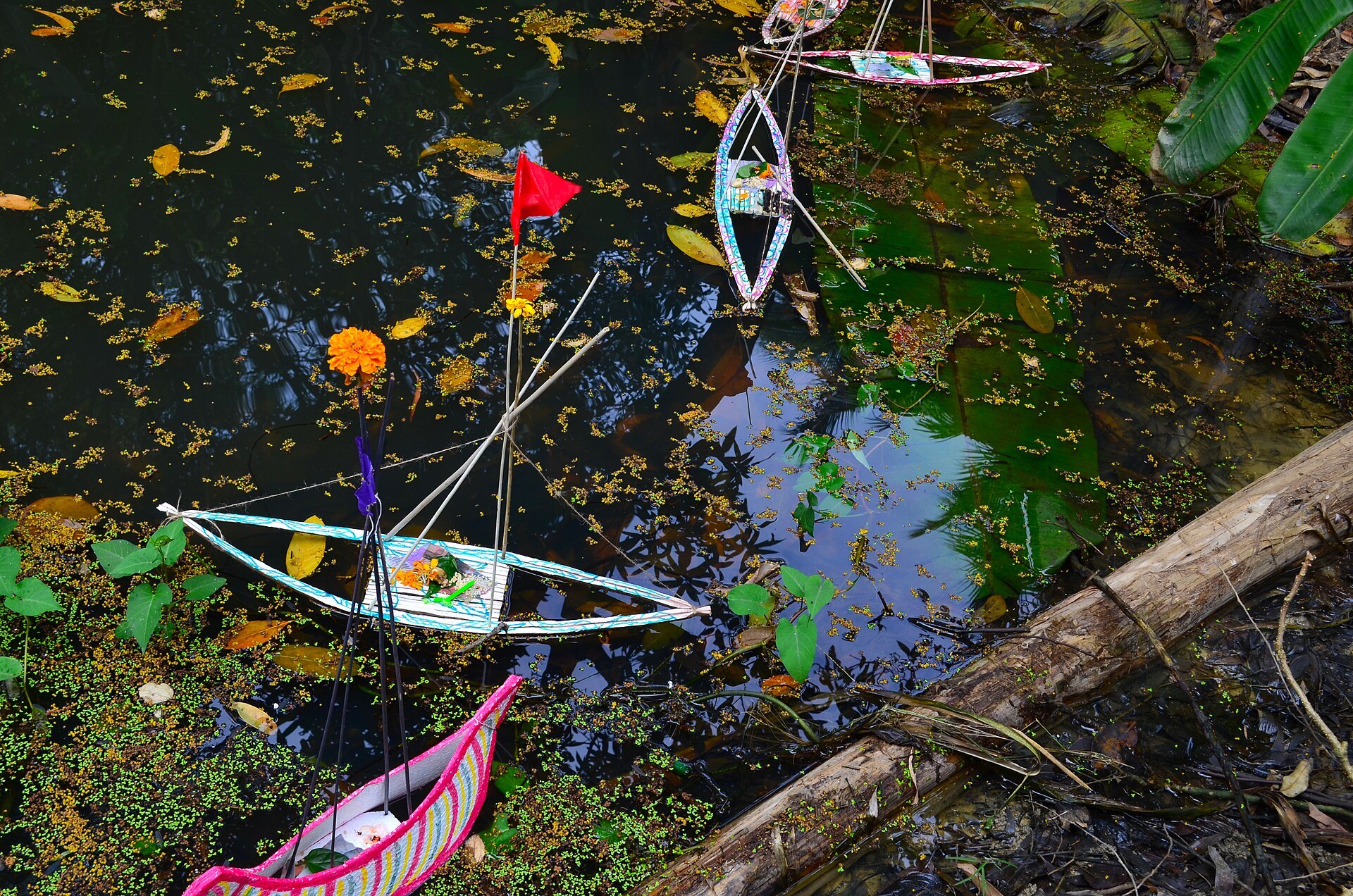
Before sunrise on Kartik Purnima, families across Odisha walk to the nearest river, pond or beach with small boats of banana stem, cork or paper, put a lamp and betel leaves inside, and float them with the cry of “Aa ka ma bai”. It takes twenty minutes and it is the gentlest thing on this list. Cuttack’s Mahanadi ghats, Puri beach and Paradip are the big gatherings; any village pond works.
The trade fair that grew from the sailing memory, Bali Jatra on the Cuttack riverbed, opens two days later in 2026, from 26 November to 1 December, with Indonesia as partner country. Last year it drew about 65 lakh visitors. Who it suits: people who want the festival without the stampede, and food lovers.
Three to six days, Rs 4,000 to 10,000 per person from a Bhubaneswar base; our Bali Jatra guide adds Puri and the Konark Dance Festival. The honest downside: river sand that turns to dust by the third evening, and a final weekend crush.
Garhmukteshwar, Haridwar and Kolayat: The Bathing Melas
If the point of your Kartik Purnima is the dip rather than a spectacle, the Ganga snan melas are the older tradition and far less written about. Garhmukteshwar, in Hapur district about 100 km from Delhi, holds the biggest. Last year the UP government ran it as a “mini Kumbh” from 30 October to 5 November and planned for 40 to 50 lakh bathers at Brijghat. For 2026 expect the week ending 24 November; Hapur had not published dates when I checked.
Haridwar’s Har ki Pauri sees lakhs on the same morning with better infrastructure and the easiest trains from Delhi. Kolayat, 55 km from Bikaner on the Jaisalmer road, is the desert version: a tank with 52 ghats at the ashram of Kapil Muni, a fair that starts about two days before the full moon, and an evening deep daan when thousands of lamps drift across the water.
Kolayat’s 2026 dates were unpublished when I wrote this; it pairs well with two days in Bikaner. All three suit people comfortable in a purely pilgrim crowd; nothing is staged for visitors.
Which Kartik Purnima Is for You
| Festival | Crowd | Days | Cost per person, excluding long distance travel | Best for |
|---|---|---|---|---|
| Dev Deepawali, Varanasi | Extreme after 7 pm | 2 | Rs 4,000 to 18,000 | The one great night, photographers |
| Guru Nanak Jayanti, Amritsar | Heavy but orderly | 3 | Rs 2,500 to 12,500 | Families, budget, older travellers |
| Karthigai Deepam, Tiruvannamalai | Extreme all day | 2 | Rs 4,000 to 9,000 | Devotion, the moonlit Girivalam |
| Pushkar fair | Heavy, spread out | 3 to 4 | Rs 5,000 to 50,000 | First Rajasthan trip, a festival holiday |
| Sonepur Mela | Moderate on main days | 1 to 2 | Rs 3,000 to 8,000 | Patna detour, people watching |
| Boita Bandana and Bali Jatra | Light at dawn, heavy at the fair | 3 to 6 | Rs 4,000 to 10,000 | Gentle start, food, Konark add on |
| Garhmukteshwar, Haridwar, Kolayat | Very heavy, pilgrims only | 1 | Rs 1,000 to 4,000 | The dip itself, nothing staged |
A rule of thumb from me: for a first Kartik Purnima trip, go to Amritsar or Odisha. On your third, you have earned Varanasi.
The 24 November Trap, and a Booking Timeline
Here is the problem nobody says plainly. Varanasi, Amritsar, Pushkar, Tiruvannamalai, Cuttack, Haridwar and Patna all peak on the same Tuesday, and so do the trains and flights feeding them. Railway reservations open 60 days ahead, so the 24 November quota opened on 25 September and the good trains to Varanasi and Amritsar filled within days. Chhath on 15 and 16 November empties the Bihar and eastern UP trains once already, and that crowd does not all go home before Purnima.
The timeline that works: tents and hotels in July or August for Pushkar and Varanasi, Amritsar by September, trains on the first morning of the 60 day window, flights by early October. In the week before the 24th, your options are tatkal, a flight at two to three times the normal fare, or the next town trick: Ajmer for Pushkar, Sarnath or the Cantonment for Varanasi, Ranjit Avenue for Amritsar, Vellore for Tiruvannamalai, Bhubaneswar for Cuttack, Patna for Sonepur. All hold rooms later and cost half as much.
Two Festivals in One Trip
Pushkar then Varanasi is the pairing I would actually do. Spend 19 to 22 November at the fair while the animals are there, skip the Purnima dip, drive to Jaipur on the 23rd (145 km, under three hours), fly to Varanasi that evening and be on a ghat by 3 pm on the 24th. Trying both the Pushkar dip and the Varanasi lamps on the 24th itself is a plan one delayed cab destroys.
The southern pairing is Tiruvannamalai then Sabarimala. The Sabarimala season opened on 16 and 17 November this year, and many Ayyappa pilgrims already fold the Deepam into their 41 days. Girivalam on the 23rd, Deepam on the 24th, overnight train to Kottayam or Chengannur, and climb from Pamba on the 26th or 27th. Our Sabarimala guide covers the vrat rules and the virtual queue booking, which you must do in advance.
At the Ghat on Purnima: Do and Do Not
Wherever you end up on Kartik Purnima morning, Har ki Pauri, Pushkar lake, Brijghat or Dashashwamedh, the same rules apply. Bathe before sunrise for the traditional snan; by 8 am the ghats are shoulder to shoulder. Wear something you can get wet in; everyone changes under a towel. Hold the chain where there is one; the Ganga at Haridwar in late November is fast and cold enough to take your breath. Keep phone and cash in a zipped pouch; pickpockets work Purnima crowds the way they work railway platforms.
Do not use soap in the river, do not float anything plastic, and buy diyas in leaf cups for Rs 10 to 20 rather than foil. Do not photograph people bathing, especially women, even from a boat. At Pushkar, agree a price before anyone ties a thread on your wrist; Rs 50 to 100 is enough for a genuine puja. And if a barricade says the ghat is full, it is full.
Our list of India’s religious festivals places this night in the wider year, and our Diwali guide covers the louder new moon a fortnight earlier.
So Which Full Moon Is Yours?
If you want to be moved, Tiruvannamalai. If you want to be fed and welcomed, Amritsar. If you want the photograph, Varanasi, and you accept the price of it. If you want a holiday with a festival inside it, Pushkar. If you want the quiet original, float a boat at dawn in Odisha or take the dip at Brijghat with people who did not come for the view. Kartik Purnima gives each of us a different night; the only mistake is to book late and end up at none of them.