

It is 11 pm on a Tuesday in Vadodara and forty thousand people are moving in the same direction, in concentric circles, to a drum that has not stopped since nine. Nobody is drunk. Half of them have work in the morning. The women’s mirror work catches the floodlights and the whole ground looks like it is breathing. That is Navratri in Gujarat, and once you have stood at the edge of it, every other festival crowd feels a little slow.
Navratri 2026 begins on Sunday 11 October and runs for nine nights, with Dussehra, or Vijayadashami, on Tuesday 20 October. The catch, and the reason this guide exists, is that the same nine days mean completely different things depending on where you stand. Gujarat dances. Bengal builds temples out of bamboo and worships Durga. Mysore lights a palace. Delhi burns a ten headed king. The Kullu valley starts its festival on the day everyone else finishes.
So this is a where, not a what. Four regions, the dates that matter in each, what it costs to be there, and which one I would choose for a first time. Kolkata’s Durga Puja and Mysore Dasara are so large that they have their own guides on this site, linked below; here they get the headline facts and the honest comparison.
Navratri 2026 Dates at a Glance
| Day | Date | What happens |
|---|---|---|
| Ghatasthapana, day one | Sun 11 Oct | Garba begins in Gujarat; golu displays go up in the south |
| Maha Saptami | Sun 18 Oct | Durga Puja proper starts in Bengal (Shashthi is 17 Oct) |
| Maha Ashtami | Mon 19 Oct | The big night everywhere: Ashtami anjali in Kolkata, Ayudha Puja preparations in the south |
| Maha Navami | Mon 19 Oct in most of India | Ayudha Puja in the south; last night of garba |
| Vijayadashami / Dussehra | Tue 20 Oct (Wed 21 Oct in Bengal) | Ravana effigies burn; Mysore’s Jamboo Savari; Kullu Dussehra begins |
| Kullu Dussehra | 20 to 26 Oct | Seven days in Dhalpur Maidan after the rest of India has finished |
Lunar calendars shift, and 2026 has the awkward feature of Ashtami and Navami sharing the same date in most panchangs, so if a ritual matters to you, confirm with the temple or pandal you are visiting. Bengal’s Dashami falling a day later than the national Dussehra is normal, not a misprint.
Gujarat: Navratri Means Nine Nights of Garba
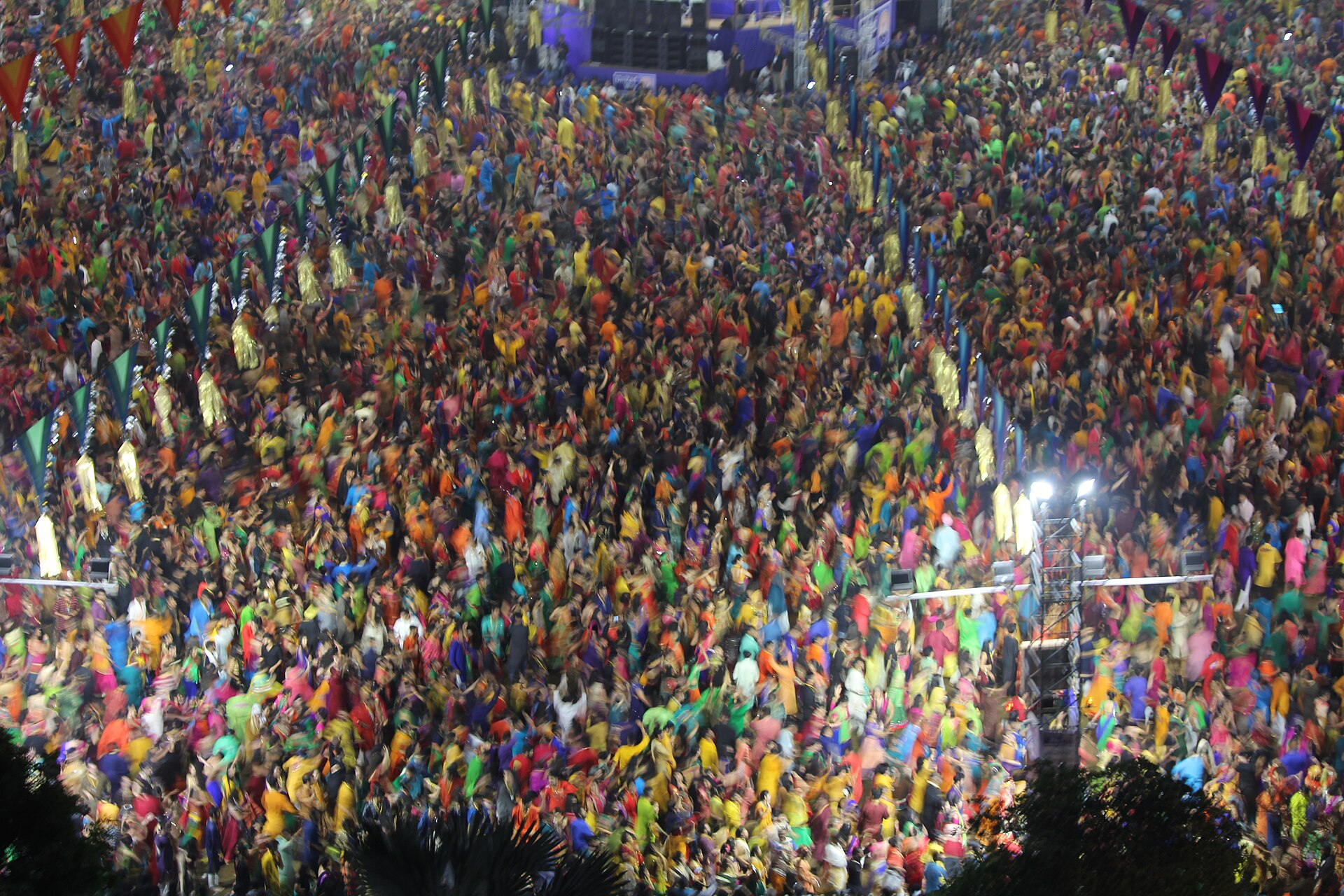
Garba has been on UNESCO’s list of intangible heritage since 2023, and Vadodara is where it is at its most enormous. The United Way of Baroda ground hosts something like 40,000 dancers a night in a ring around a lamp and an idol, and it has been running for four decades. Passes go on sale a few weeks before Navratri through the Zomato District app and vanish within hours. Last year men paid roughly Rs 4,900 for the nine nights and women about Rs 1,400, a deliberate lopsidedness meant to keep the ratio safe, and the price for men climbs every year.
Ahmedabad is the other giant. The club garbas at Karnavati and YMCA sell season passes for Rs 3,000 to 8,000, GMDC ground runs the biggest open event, and the free version, the sheri garba in the pols of the old city, is the one I would send a first timer to. Gujarat Tourism publishes the official Navratri venue list each year. Nobody checks tickets, the aunties will pull you in, and the music comes from a live dhol rather than a DJ.
Dancing runs from about 9 pm until the police curfew, which has hovered around midnight to 1 am in recent years and gets extended on the last nights. My guides to Ahmedabad and Vadodara cover the daytime.
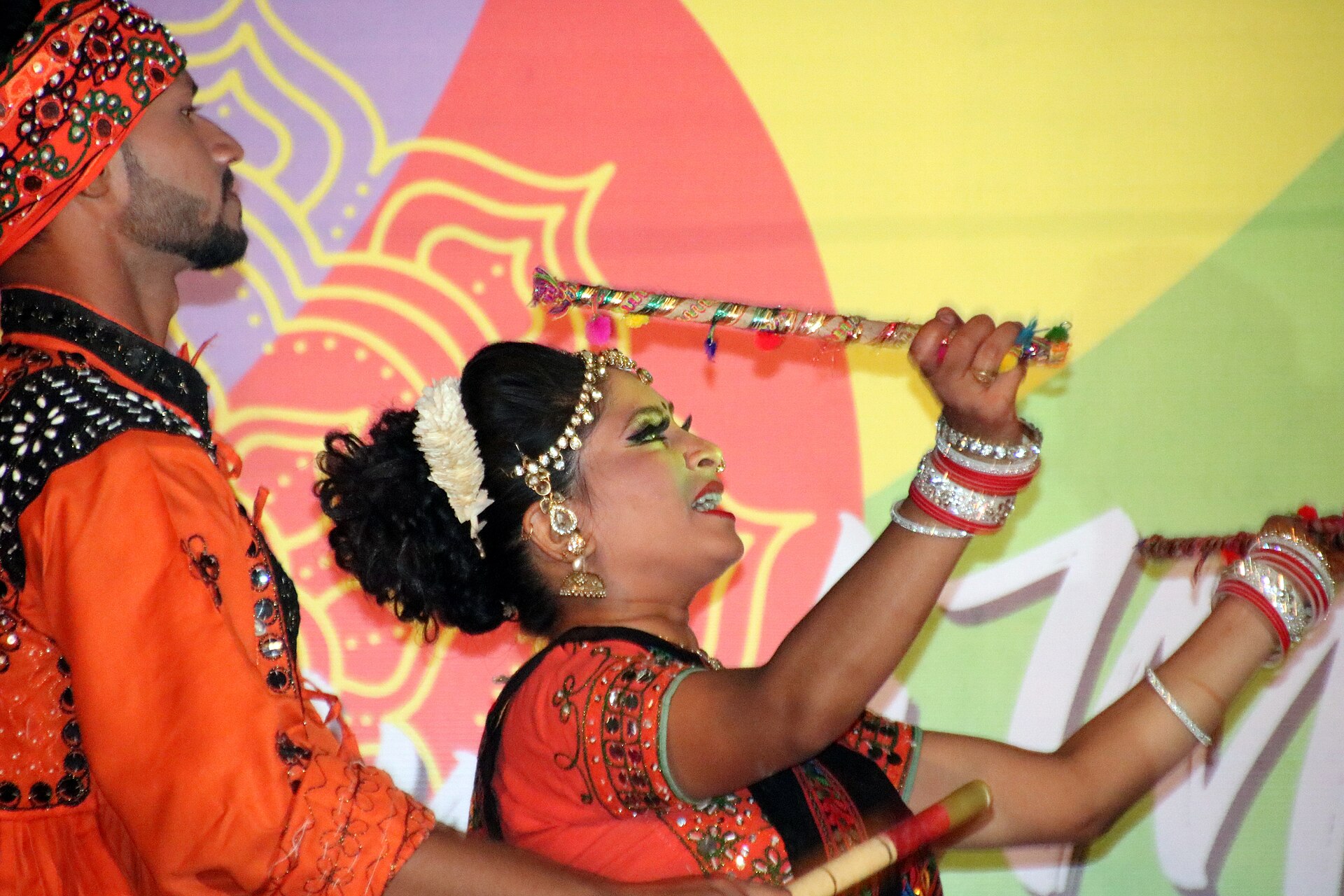
Two practical notes for a Gujarat Navratri. Chaniya cholis and kediyus rent for Rs 300 to 800 a night near any ground, so do not pack them. And book hotels early: Vadodara’s decent hotels double their rates for the nine nights and sell out by early October. Gujarat is a dry state, which is why the crowds are as safe as they are.
Learn three basic steps from a video before you go and you will manage the two clap garba by night two. Dandiya, the stick dance, is the easier one to fake. If you have the appetite, Gujarati festival food is at its best this fortnight, and most grounds sell farali fasting snacks after midnight.
Bengal: Durga Puja Is a Different Festival Altogether
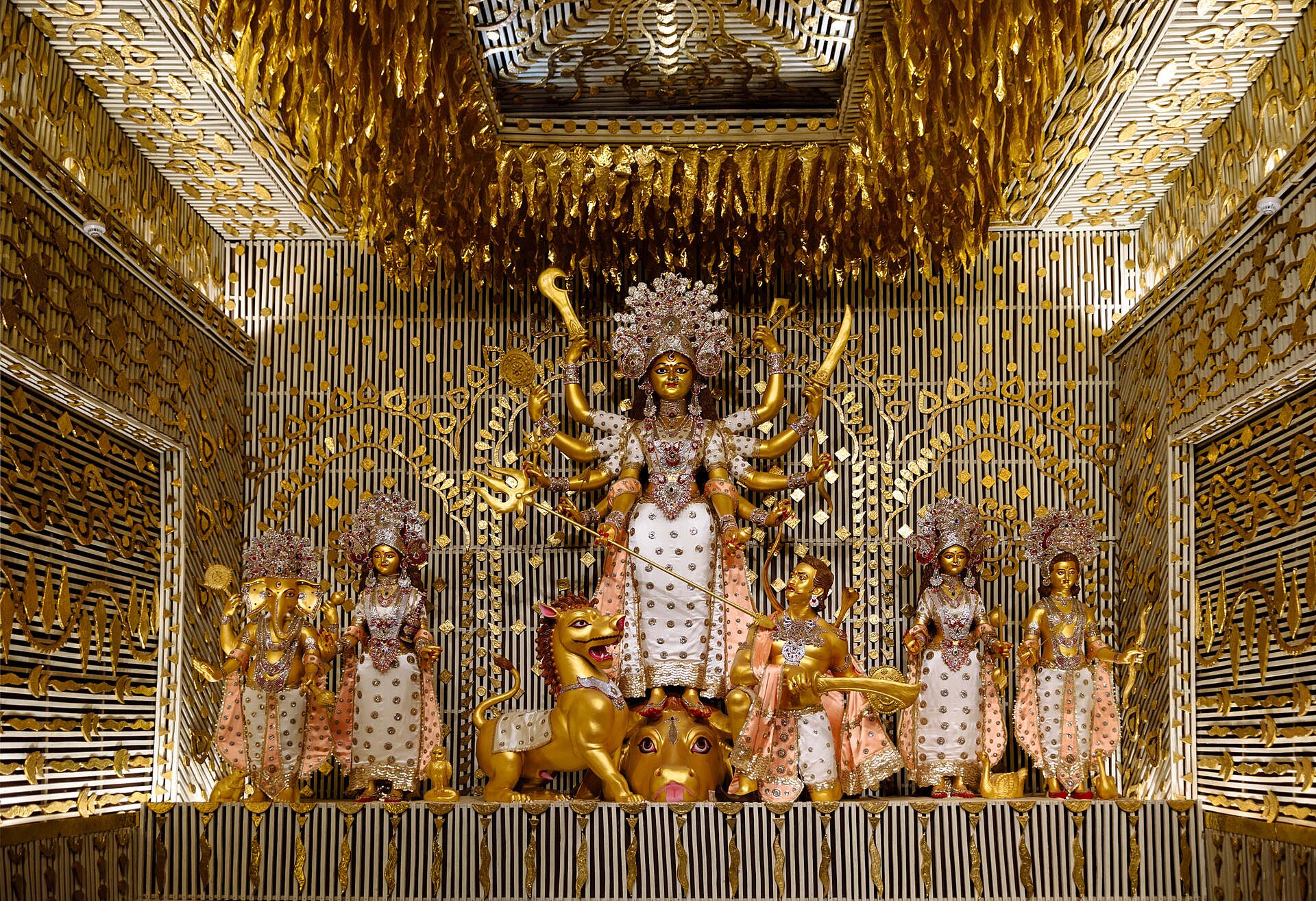
Call it Navratri in Kolkata and you will be corrected. For Bengalis the goddess is Durga coming home to her parents for five days, and the city turns into an open air art exhibition: thousands of pandals, temporary temples that can be replicas of anything from a Rajasthani haveli to a spaceship, each with a hand sculpted idol from the Kumartuli potters’ quarter. UNESCO listed the whole thing as intangible heritage in 2021, and the core days in 2026 run from Saptami on 18 October to Dashami on 21 October.
It is the most demanding of the four regions to visit. Hotels within reach of the north Kolkata pandals go for the year’s highest rates, the metro runs through the night on the peak days, and pandal hopping means walking six to eight kilometres a night in a slow moving crowd. It is also the one I would not trade for anything. Everything you need, from the pandal zones to how to time Ashtami morning, is in my Durga Puja pandal hopping guide.
The South: Golu Dolls, Ayudha Puja and a Lit Palace
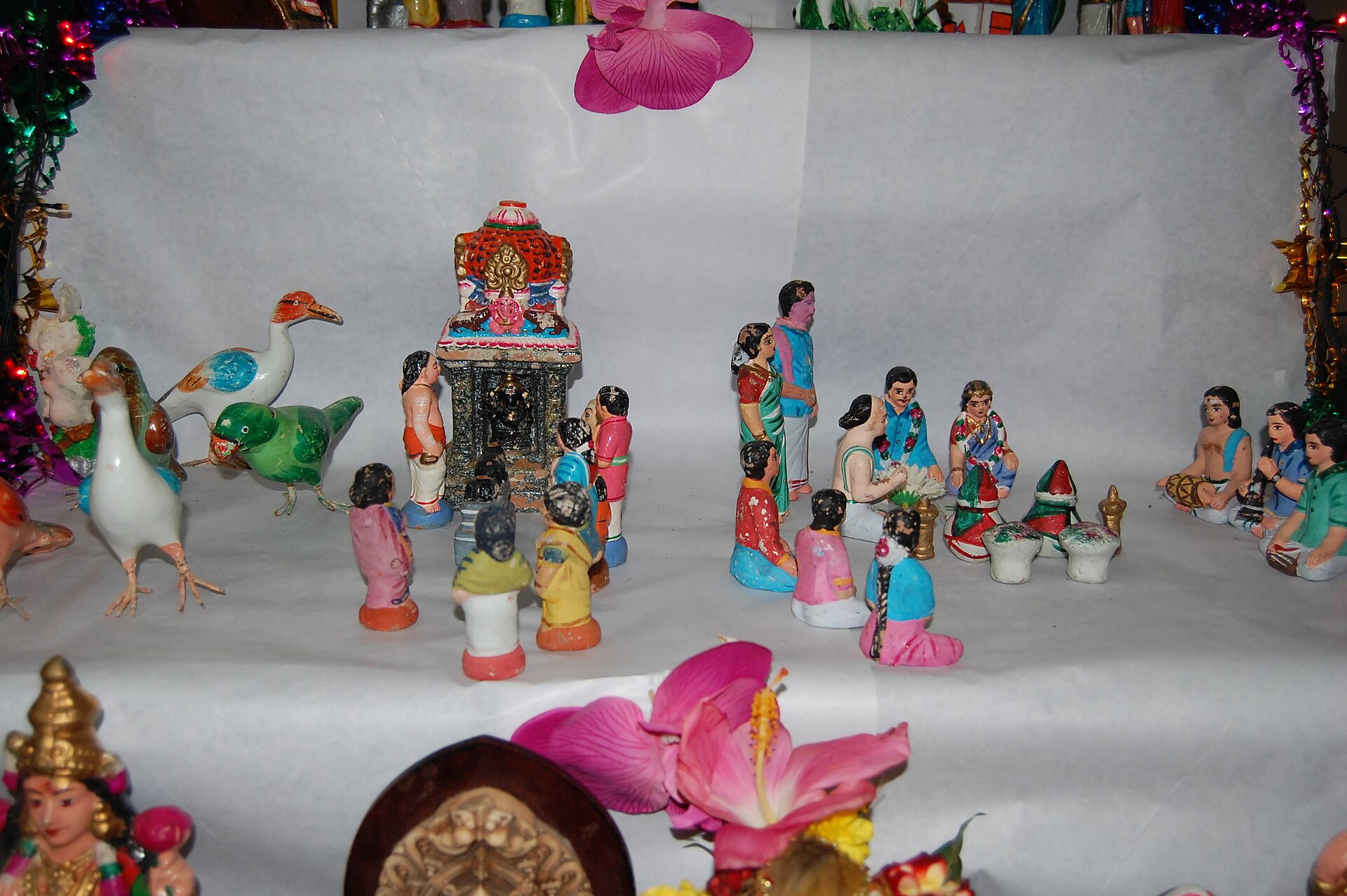
Tamil Nadu and parts of Karnataka and Andhra celebrate Navratri at home rather than on the street. Families build a golu, or kolu, a stepped display of dolls that can run to hundreds of figures on nine tiers, and invite neighbours to sing and eat sundal, a chickpea snack, every evening. If you are in Chennai, walk into Mylapore in the evening; homes with a golu leave the door open and welcome strangers, which is one of the gentlest travel experiences in India.
Ayudha Puja on Navami sees every tool, vehicle and laptop in the state garlanded and blessed, and auto drivers will happily explain why their rickshaw is wearing marigolds.
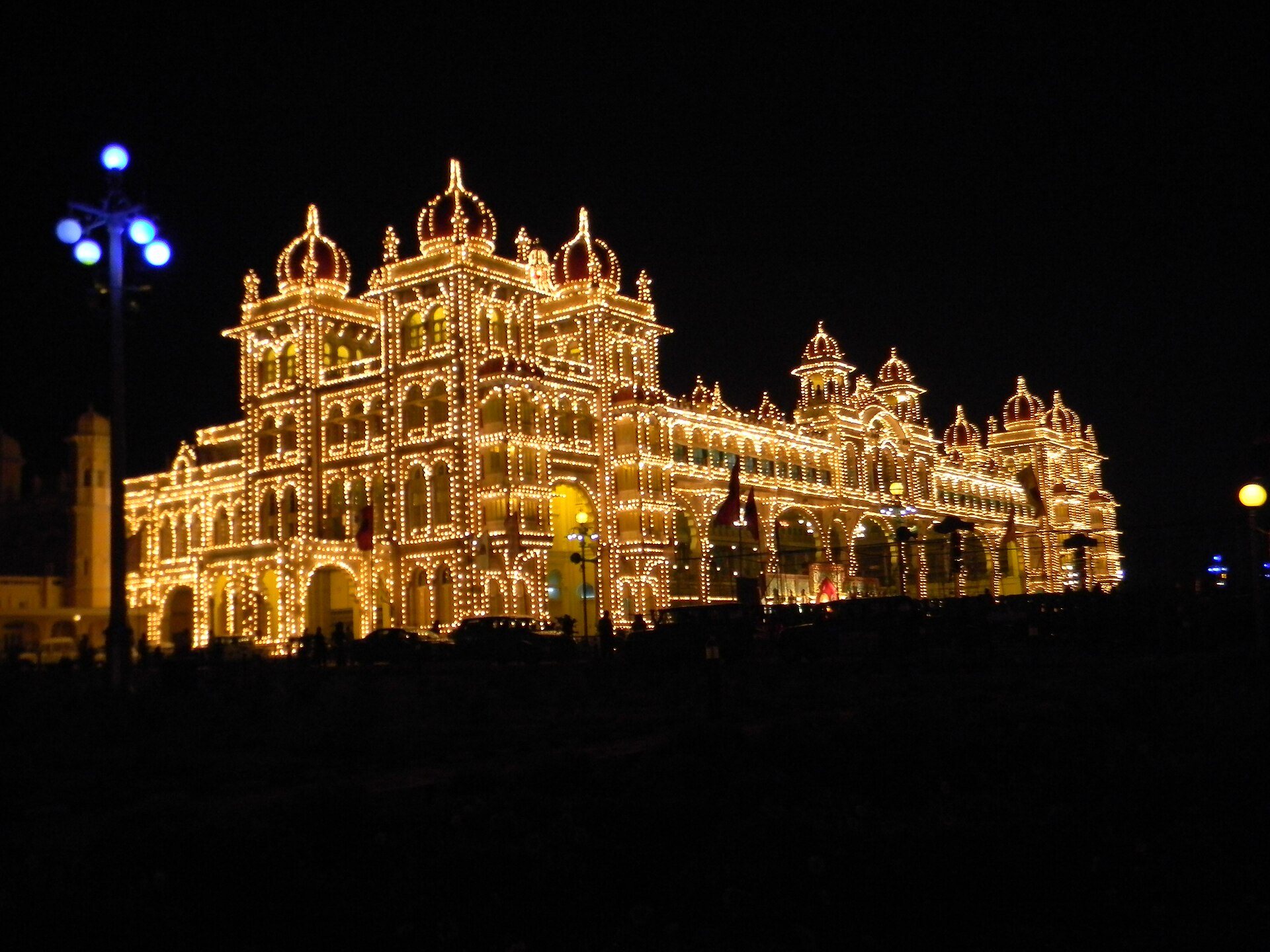
Karnataka’s version is Mysore Dasara, and it is the state festival, not a household one. The Wodeyar kings ran it for four centuries and the state runs it now, from 11 to 21 October this year. The palace glows under close to a hundred thousand bulbs from 7 to 9 every evening, and on Vijayadashami the Jamboo Savari procession carries the goddess Chamundeshwari on a golden howdah on an elephant’s back through the city.
Grandstand seats and the tourist Gold Card, priced at Rs 6,500 last year, are the only comfortable ways to watch it. Full details, including how the ticketing works, are in my Mysore Dasara guide, and the Mysore city guide covers the rest of the town.
The North: Ramlila, Effigies and the Valley That Starts Late
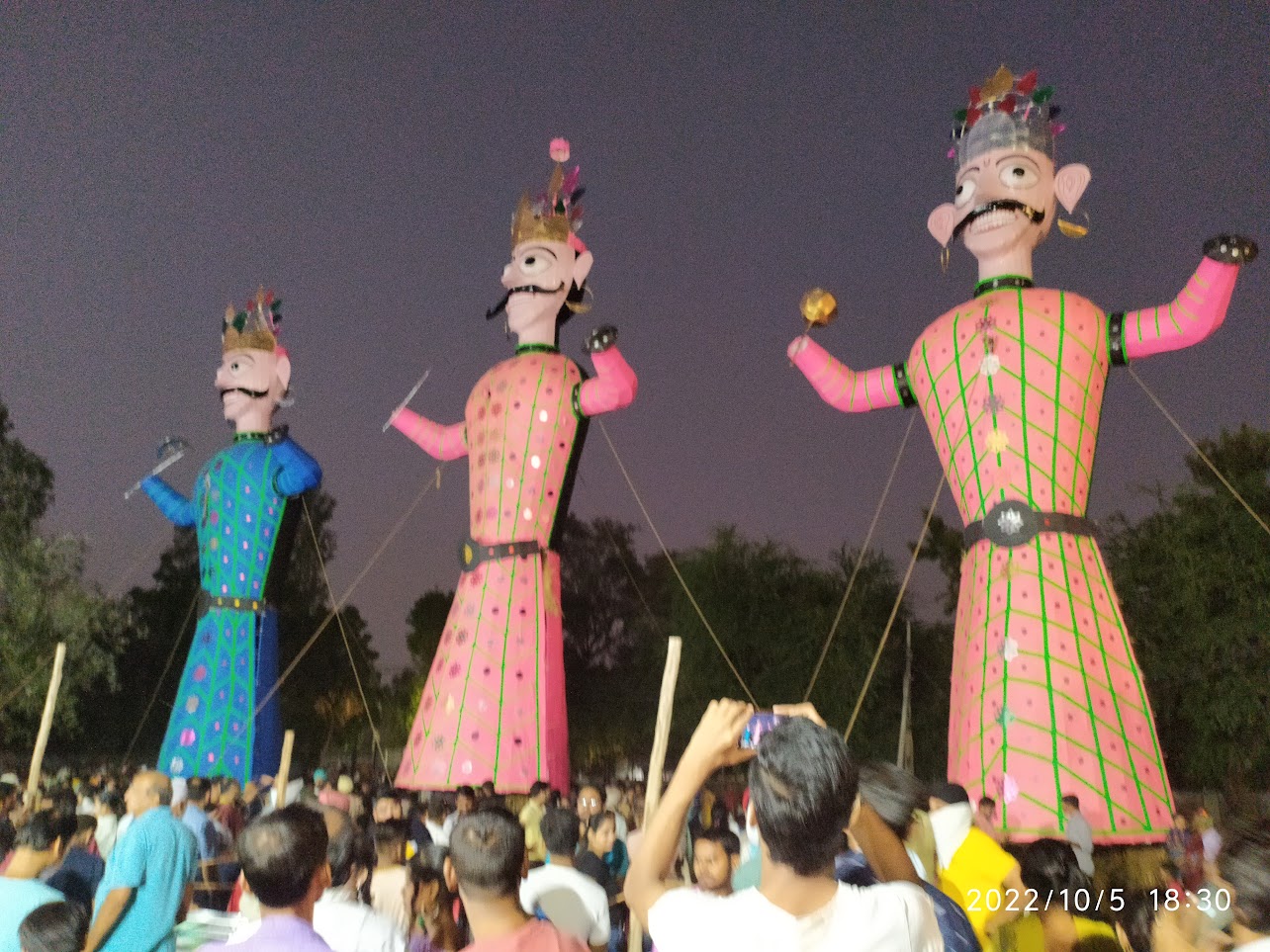
In Delhi, Uttar Pradesh and most of the Hindi belt, the nine nights of Navratri belong to Ramlila, the staged epic of Rama, ending with Ravana’s effigy going up in flames on Dussehra evening. Delhi’s biggest burnings are at Ramlila Maidan and the Lav Kush Ramlila near the Red Fort, where the effigies pass 30 metres and the fireworks are heard across old Delhi.
Kota in Rajasthan runs a Dussehra fair from 20 October to 6 November with effigies that have topped 75 feet, and Varanasi’s Ramnagar Ramlila, staged across a whole town for a month, is the most extraordinary theatre in the country if you can spare the evenings.
Katra deserves a warning rather than a recommendation. Navratri is peak season at Vaishno Devi, with daily pilgrim numbers touching 50,000, and the yatra slip, helicopter and hotel systems all strain. Go if the pilgrimage itself is the point; skip it if you just want a hill trip.
The Bastar Dussehra in Chhattisgarh is the most unusual of all: it runs for roughly 75 days from late July, worships the tribal goddess Danteshwari rather than Rama, and burns no Ravana at all. The main rituals in Jagdalpur cluster around 20 October, and it is about as far from a tourist festival as you can get.
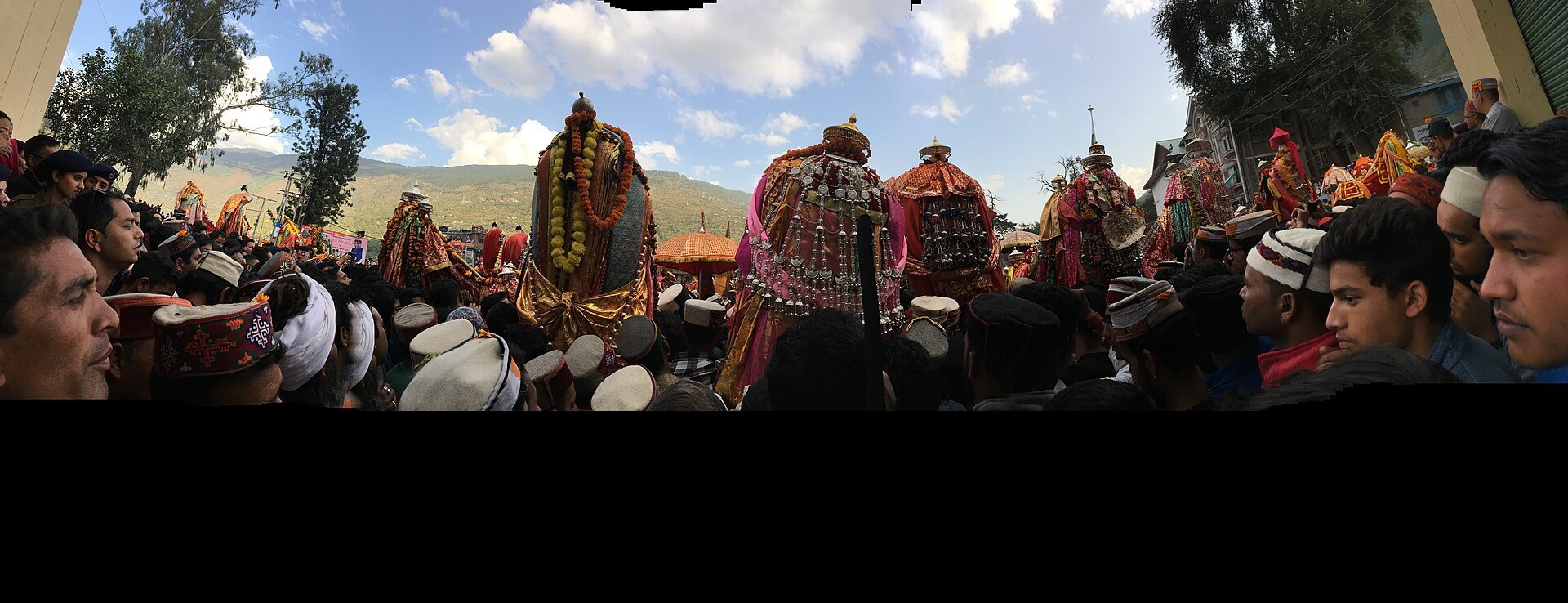
Then there is Kullu. Its Dussehra begins on Vijayadashami, 20 October, when the rest of the country is sweeping up ash, and runs for seven days to 26 October. More than 200 village deities are carried down to the Dhalpur Maidan on palanquins to pay respects to Raghunath, and the valley becomes one long fair. No effigies, no Ramlila, autumn colour on the hills. It gets a dedicated guide on this site closer to the date; for now, know that Kullu hotels are the cheapest of any place on this page during its festival week, because the crowds are local.
Navratri Costs and Booking, Region by Region
Gujarat is the priciest Navratri to do properly if you want the big ticketed grounds, roughly Rs 5,000 for a pass plus Rs 4,000 to 7,000 a night for a hotel in Vadodara during the festival, but it is free and cheaper if you dance in the old city and stay a sector away. Kolkata’s cost is almost entirely hotels, which run Rs 5,000 to 12,000 for anything central in Puja week; the pandals themselves cost nothing.
Mysore is the budget option: the Gold Card is the only large spend, and the city has plenty of Rs 2,000 rooms. The north costs nothing at all beyond getting there. Whichever you choose, flights into Ahmedabad, Kolkata and Bengaluru spike in the second week of October, so book them before the end of September.
Remember that this is a fasting festival for many households and a feasting one for others. Gujarat runs on farali food, Bengal eats bhog and mutton with equal devotion, and the south lives on sundal. Ganesh Chaturthi sets the template a month earlier for how one festival becomes ten across the country, and if you enjoyed my state by state Ganesh Chaturthi guide, this is its autumn sequel. The roundup of India’s religious festivals places both in the wider calendar.
My Pick for a First Navratri
Gujarat, and specifically the free sheri garba in Ahmedabad’s old city on nights three to six, before the crowds peak. It is the only version of this festival where a visitor stops being a spectator within an hour. Do Kolkata the year after, when you know you want a festival that rewards stamina, and save Mysore for the year you want to sit down and watch history go past on an elephant. Kullu is for the traveller who has done all three and wants the one nobody photographs.